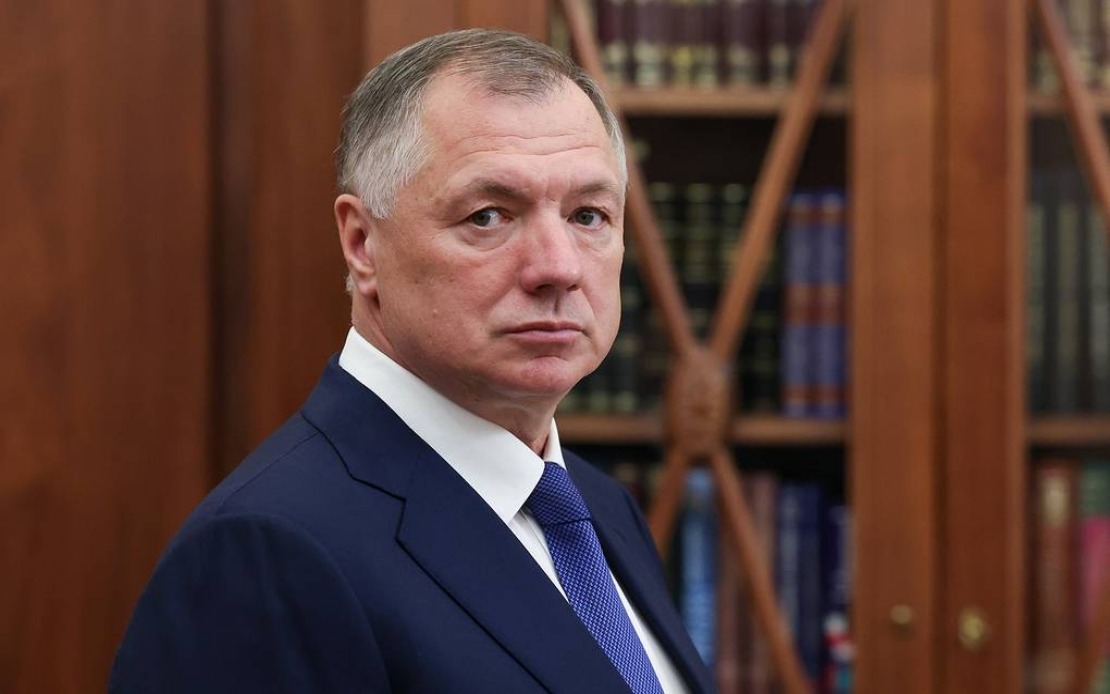
Russia is exploring the construction of a railway corridor stretching to the Indian Ocean as a strategic alternative to increasingly volatile maritime shipping routes, according to Deputy Prime Minister Marat Khusnullin. The proposal reflects Moscow's growing concern about the vulnerability of two critical chokepoints—the Bosphorus and the Strait of Hormuz—to disruption through geopolitical conflict or blockade, a risk that has become acutely real as tensions between the United States, Israel, and Iran have escalated sharply.
Khusnullin outlined an ambitious vision for the new rail network, suggesting that routes through Turkmenistan, Iran, Afghanistan, and Pakistan could provide Russia with direct access to Indian markets and the Indian Ocean. The flexibility inherent in this proposal—encompassing multiple pathways through different countries—indicates Moscow's pragmatic approach to infrastructure development, willing to work with various regional partners to establish viable trade corridors. Such an initiative would represent a dramatic shift in Russia's trade geography, creating alternatives that bypass traditional maritime routes that have become increasingly contested.
The impetus for this proposal stems from genuine disruptions to global shipping caused by regional instability. The Strait of Hormuz, a narrow waterway separating Oman from Iran, remains one of the world's most strategically important maritime passages. Approximately 25 percent of all global oil trade and roughly 20 percent of liquified natural gas shipments depend on transit through this strait, making it economically indispensable for energy markets worldwide. Any sustained blockade or restriction on shipping through these waters carries immediate implications for global energy prices and supply security.
Iranian authorities have escalated tensions by declaring their intention to restrict passage through the Strait of Hormuz for vessels associated with the United States, Israel, and nations perceived as supporting military action against Iran. This decision follows a major escalation in February when the United States and Israel launched military operations against Iranian targets, including strikes on major population centers such as Tehran. The Iranian Revolutionary Guard Corps responded with coordinated retaliatory strikes targeting American and Israeli military installations across multiple countries in the Gulf region, including Bahrain, Jordan, Iraq, Qatar, Kuwait, the United Arab Emirates, and Saudi Arabia.
For Southeast Asian nations like Malaysia, such disruptions carry profound implications. The region's economies are deeply integrated into global supply chains dependent on stable energy prices and reliable maritime commerce. Any sustained interruption to Hormuz shipping would raise petroleum costs across the region, directly affecting manufacturing competitiveness, transportation expenses, and ultimately consumer prices. Malaysia, as a significant oil and gas trader itself, has vested interests in maintaining predictable international energy markets and free passage through vital waterways.
Russia's proposed railway initiative reflects a broader strategic realignment driven by sanctions, geopolitical isolation, and the need to develop alternative trade networks. By cultivating overland routes, Russia seeks to reduce its dependence on routes vulnerable to Western interdiction while simultaneously strengthening economic ties with Asian partners. The railway corridor concept aligns with broader infrastructure ambitions in Central Asia and could contribute to regional development in countries like Afghanistan, where international investment has been limited since the Taliban's return to power.
On the domestic front, Khusnullin emphasized that Russia's construction sector possesses considerable untapped capacity. The industry currently operates at approximately one trillion rubles annually in output but could substantially expand if provided with guaranteed financing over a five-year period. This statement reveals that Russia views infrastructure investment not merely as a strategic necessity but as an economic stimulus mechanism for its domestic construction industry, which faces challenges from Western sanctions and limited international project opportunities.
The feasibility of such an ambitious project remains uncertain given multiple obstacles. Afghanistan's political instability, Pakistan's complex security environment, and the potential for sanctions complications related to Iranian involvement all present significant challenges. Nevertheless, Russia's willingness to articulate such plans indicates its serious commitment to reshaping trade patterns and reducing vulnerability to maritime interdiction. The proposal gains added urgency given that the Bosphorus itself remains subject to Turkish control through the Montreux Convention, providing another potential chokepoint for Russian trade.
For Malaysian observers, Russia's infrastructure pivot underscores broader trends reshaping global commerce and geopolitics. The emerging multipolar world increasingly features alternative infrastructure networks running parallel to traditional Western-dominated trading systems. These developments may eventually affect ASEAN's positioning as a critical maritime hub and necessitate careful navigation of regional partnerships. The success or failure of Russia's initiative will provide instructive lessons about the viability of creating truly independent economic corridors in an interconnected but increasingly fragmented global system.
The railway proposal also represents Russia's recognition that maritime routes, long considered the backbone of international trade, face structural vulnerabilities from political conflict. This realization may prompt other nations to reconsider their own infrastructure strategies and investment priorities. For regional powers like Malaysia, understanding these emerging patterns becomes essential for anticipating shifts in global supply chains and positioning national economies accordingly for whatever post-sanctions economic architecture eventually emerges.

