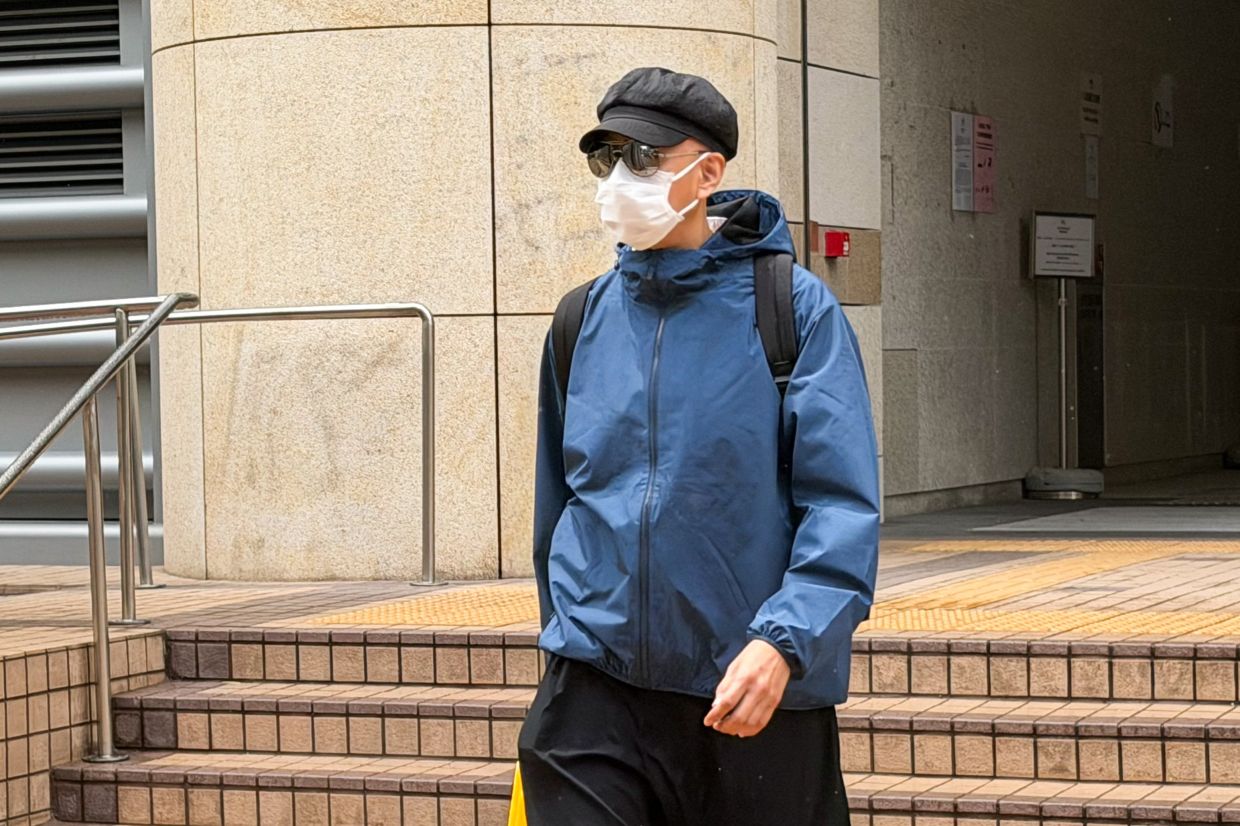
A Hong Kong court has handed down a community service order against a senior editorial staff member at public broadcaster RTHK following his admission to voyeurism. Chong Tak-yin, 57, who held the position of assistant chief assignment editor in the station's Chinese news and current affairs division, received the sentence at West Kowloon Court on Wednesday after entering a guilty plea to unlawful recording or observation of intimate parts. The case highlights ongoing concerns about sexual harassment and privacy violations within institutional settings across Hong Kong and the broader Asia-Pacific region.
The incident occurred on November 14 last year in Mong Kok, where Chong secretly filmed a woman wearing a skirt without her consent or knowledge. According to evidence presented in court documents, officers on patrol became suspicious after observing Chong following the woman closely through a public area. A subsequent search of his mobile phone revealed video footage showing the woman's lower body, providing the key evidence that led to his arrest and eventual conviction.
When questioned by arresting officers, Chong characterised the offence as "a momentary lapse of judgment" driven by sexual impulse. This explanation, while demonstrating some acknowledgment of wrongdoing, underscores how perpetrators often minimise deliberate criminal behaviour as impulsive or momentary lapses. The framing raises questions about accountability and the normalisation of such conduct among individuals in positions of authority and public trust, particularly at media institutions that are supposed to uphold ethical standards and reporting integrity.
Chong's financial circumstances formed part of the mitigation presented during sentencing proceedings. His defence counsel, Joe Chan Wai-yin, informed the court that the respondent was married with two sons and earned approximately HK$90,000 (US$11,480) monthly as the sole income earner supporting his household. This information was introduced to contextualise the potential impact of harsher sentencing options on his dependents, though it remains distinct from the seriousness of the criminal conduct itself.
A notable development during the legal proceedings was Chong's decision to reverse his initial plea. He had originally indicated an intention to contest the charges at trial, but subsequently changed his stance before proceedings commenced. His defence counsel stated that this change reflected Chong's desire to demonstrate accountability to his family, particularly his children, by accepting responsibility and facing the consequences of his actions rather than prolonging legal proceedings through contested trial proceedings.
Professional assessments undertaken as part of the sentencing process provided additional context for the court's decision-making. A probation officer's evaluation concluded that Chong posed a low risk of reoffending, having undertaken professional intervention and counselling since the incident. The assessment characterised the offence as an isolated occurrence rather than part of an established pattern of predatory behaviour. Such evaluations carry significant weight in determining whether alternatives to custodial sentences are appropriate.
Magistrate Jeffrey Sze Cho-yiu ultimately accepted recommendations from probation services and imposed a community service order in lieu of imprisonment. The 160-hour requirement represents a substantive sanction that will require substantial time commitment while preserving Chong's employment capacity, though his continued position at RTHK remains uncertain pending the broadcaster's own institutional response.
The case raises pertinent questions about institutional responsibility and safeguarding mechanisms at media organisations throughout the region. Public broadcasters in particular maintain obligations to uphold professional standards and foster workplace cultures where harassment and misconduct are actively prevented and addressed. The presence of a senior editorial figure engaging in such behaviour suggests potential gaps in institutional oversight, staff conduct policies, and accountability frameworks.
For Malaysian observers, the case carries relevance beyond Hong Kong's borders. Media institutions across Southeast Asia face comparable challenges in establishing robust internal mechanisms to prevent harassment and ensure that workplace environments reflect the ethical standards these organisations purport to champion through their editorial output. The incident underscores how institutional credibility depends not solely on news coverage but on the conduct and character of personnel operating within those institutions.
The conviction also reflects evolving legal frameworks across Asia-Pacific jurisdictions addressing technology-enabled sexual harassment. As smartphones with high-quality cameras become ubiquitous, legislative protections against voyeurism and non-consensual recording have become increasingly essential. Hong Kong's legal provision criminalising unlawful recording or observation of intimate parts provides recourse unavailable in jurisdictions lacking comparable statutory protections.
RTHK has been approached for comment regarding the matter and the broadcaster's intended response, though the organisation has not yet issued a public statement detailing any disciplinary or administrative measures that may be undertaken. The broadcaster's handling of the situation, including decisions about Chong's continued employment and any institutional reforms implemented in response, will likely generate broader discussion about accountability and professional standards within Hong Kong's media landscape and related institutions throughout the region.

