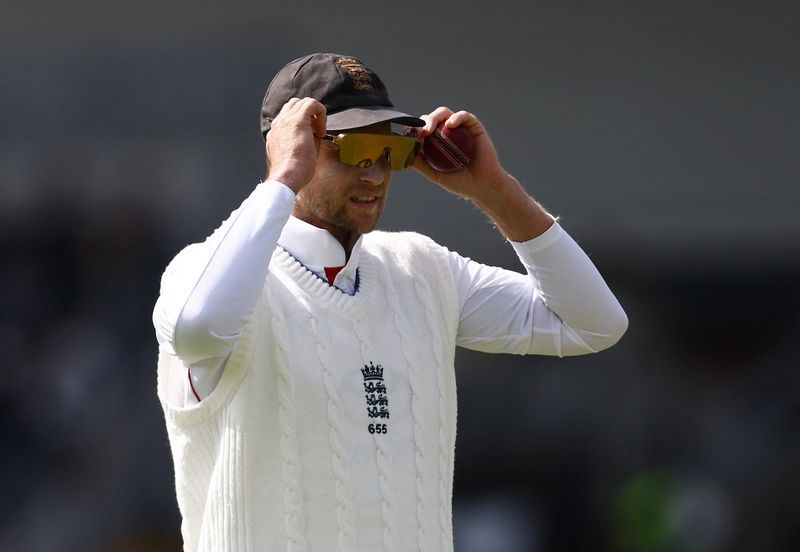
England's cricket leadership is grappling with an escalating discipline problem after captain Joe Root aired his exasperation over fast bowler Brydon Carse's involvement in another nightclub incident, prompting the 31-year-old's omission from the upcoming second Test against Pakistan beginning Thursday at Lord's. The situation underscores a troubling pattern of off-field behaviour that has begun to undermine the team's efforts to rebuild its reputation following a period of turbulent change in the coaching and captaincy setup.
Root, who only recently returned to the captaincy following Ben Stokes' retirement from international cricket, did not mince words when addressing the media. The senior batsman expressed genuine annoyance at what he characterized as recurring careless decisions made away from the cricket field, describing them as impediments to the team's on-field performance and overall standing. His comments suggest a captain attempting to assert control over squad discipline while managing the considerable pressure of restoring institutional credibility.
Social media footage reportedly showing Carse in police custody during a nightclub encounter precipitated the ECB's decision to exclude him from the second Test encounter. Whilst Carse was briefly detained before being de-arrested with no formal charges filed, the incident represented precisely the sort of unwanted publicity the English cricket establishment has been struggling to contain. The independent Cricket Regulator will now conduct a formal investigation into whether Carse contravened the ECB's code of conduct, a process that could result in additional sanctions beyond his immediate Test omission.
The Carse situation is merely the latest chapter in what has become a troubling narrative for English cricket. Batsmen Harry Brook and Ben Duckett, as well as Gus Atkinson and the aforementioned Stokes, have all been linked to nightclub-related incidents in recent times, creating an unfortunate perception of widespread indiscipline within the squad. For Malaysian and Southeast Asian observers following English cricket, these repeated incidents raise serious questions about professional standards at one of the sport's oldest and most established cricket boards.
Root's remarks during his media briefing conveyed both exasperation and determination to establish meaningful behavioural change. The captain acknowledged that isolated incidents might be expected within any large professional group, but emphasized that the recurrent nature of these occurrences represented a more fundamental cultural problem requiring sustained intervention. He noted that team conversations have already begun regarding expectations for international players, though he tempered expectations by stating that cultural transformation cannot be achieved rapidly.
The captain's position appears nuanced and perhaps diplomatically constrained. Whilst publicly reprimanding a teammate through media statements is unusual, Root seemed impelled to address what he perceives as a systemic issue rather than individual lapses. His reference to wanting to build a culture the team can take pride in suggests an aspirational approach, one focused on future standards rather than backward-looking punishment, though his obvious frustration indicates limits to his patience with continued breaches.
Regarding Carse specifically, Root indicated he had spoken directly with the fast bowler and found him genuinely remorseful. The captain disclosed that Carse expressed regret and understanding of his actions, characterizing the conversation as appropriately serious whilst suggesting the incident would not permanently define the player's international career. This measured approach may reflect Root's awareness that overly harsh responses could damage team morale or alienate players during a transitional period.
Sonny Baker will replace Carse in the Test squad, providing an opportunity for the management to signal that performance combined with disciplined off-field conduct remains the pathway to international selection. England enters the second Test against Pakistan having claimed a commanding victory in the first encounter by an innings and 103 runs, providing a backdrop of on-field success that root will hope can be harnessed to drive positive cultural messages throughout the squad.
The timing of these incidents carries additional significance for English cricket's broader institutional positioning. Following the structural changes at the top of the team, the England and Wales Cricket Board faces scrutiny regarding whether it has successfully instituted governance frameworks capable of maintaining professional standards. For regional cricket observers, the situation demonstrates that even established cricket nations grapple with discipline challenges when institutional culture becomes inconsistent or leadership transitions create temporary vacuum states.
Root's measured but clearly frustrated intervention suggests the captain will attempt to lead by persuasion and clear communication of expectations rather than autocratic discipline. However, the recurrent nature of off-field incidents implies that tactical conversations alone may prove insufficient unless complemented by genuine behavioural accountability and, potentially, more robust consequences for violations. The ECB's regulatory investigation into Carse will provide a test case for whether the organization can enforce standards consistently and transparently, something that Malaysian cricket stakeholders will be watching given their own recent discussions about professionalism and governance.

