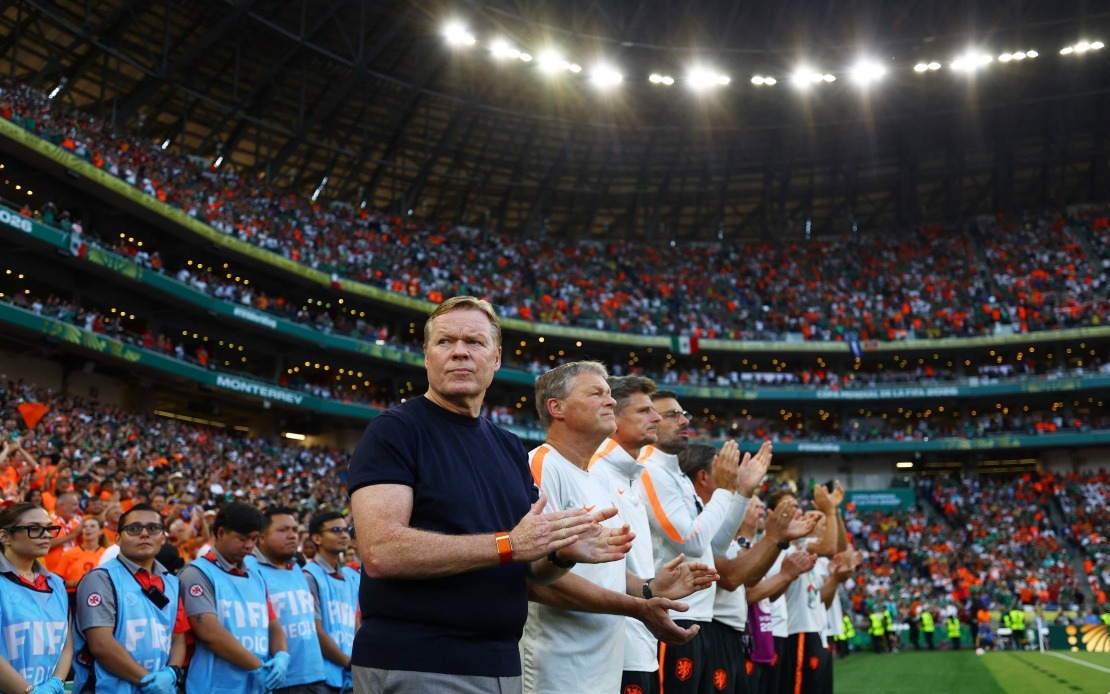
Ronald Koeman's tenure as head coach of the Netherlands has ended in disappointment, with the 63-year-old announcing his resignation on July 1 following his team's devastating loss to Morocco in a 2026 World Cup qualifying match decided by penalties. The announcement came through an Instagram statement issued by the Royal Netherlands Football Federation, marking the conclusion of his second period managing the national side and bringing to a close what had promised to be an extended campaign with the squad.
The dramatic nature of the exit underscores the cruel mathematics of knockout football. The Dutch had engineered a commanding qualification campaign that saw them top Group F with considerable authority, demonstrating their intent through a commanding 5-1 demolition of Sweden that signalled their ambitions for the tournament. By the time they faced Morocco, they appeared positioned to progress steadily towards the latter stages of the competition, needing only to navigate what seemed like manageable opposition.
Yet football frequently refuses to follow narrative expectations. Morocco's Issa Diop arrived with a goal deep into injury time, denying the Netherlands an outright advance to the last 16. The intervention pushed the contest into extra time, where the tension would ultimately be resolved through the merciless penalty shootout mechanism. When the decisive moment came, it was the North African side that prevailed, eliminating a Dutch team that had been mere seconds from progressing and potentially beginning their journey towards the latter stages.
Koeman's decision to depart represents more than mere disappointment at tactical failure. In his statement, the veteran coach reflected on the depth of his connection with his playing squad and coaching personnel, acknowledging that the intensity of collaboration had made resignation emotionally complex rather than straightforward. He emphasised his gratitude for the commitment demonstrated by everyone within the Oranje programme during both periods of his stewardship, suggesting a relationship that had transcended the ordinary professional coach-player dynamic.
The coach's explanation for stepping aside emphasizes personal circumstances rather than recrimination over the Morocco result. Koeman articulated a desire to rebalance his priorities towards family life, citing the importance of dedicating time to his wife, children, and grandchildren. This reasoning suggests someone reflecting on the substantial time demands of international football management and determining that the current juncture represents an appropriate moment to redirect his energies toward personal relationships. For many observers, this reasoning carries particular resonance given Koeman's age and the cumulative physical and emotional toll of managing at the highest levels of sport.
This represents Koeman's second appointment to the Netherlands role, underscoring the federation's previous confidence in his football philosophy and leadership capabilities. His initial tenure ran from 2018 through 2020, ending when the lucrative opportunity to manage Barcelona became available. That move to Camp Nou reflected the prestige associated with one of world football's most storied institutions, yet it also distanced him from the national team environment where he had cultivated substantial credibility among Dutch supporters and administrators.
His return to international management suggested a renewed appetite for developing the next generation of Dutch talent and constructing a cohesive unit capable of competing at the highest levels of the World Cup. The qualification campaign had appeared on course to validate that decision, with the group-stage performance suggesting a team with considerable depth and attacking prowess. The manner of their elimination—so close to automatic progression before a cruel late intervention—creates particular poignancy around the departure.
For Malaysian football observers, Koeman's experience offers insights into how even successful qualifying campaigns can culminate in heartbreak, a reality that resonates throughout Southeast Asian football circles where penalty shootouts have periodically determined crucial matches. The Netherlands' top-group finish and emphatic performances represented the kind of consistency that Malaysian teams frequently aspire towards, yet was ultimately insufficient against the unpredictability of knockout football in the modern era.
The resignation also raises questions about succession and whether the federation will pursue a manager with established international credentials or instead opt for someone offering a fresh strategic perspective. Koeman's departure creates a vacancy at a moment when many European nations are consolidating their preparations for 2026, meaning potential candidates will likely be considering their own international positions and commitments.
For the Netherlands football programme, Koeman's resignation concludes a chapter that began with considerable optimism and demonstrated competitive performance but ended with the particular sting of late elimination. His decision to prioritize family reflects a broader conversation within modern football about work-life balance and the substantial demands placed upon those leading national teams. The federation now faces the task of identifying his successor and determining whether they wish to maintain continuity with the strategic direction Koeman had established or pivot towards alternative approaches.

