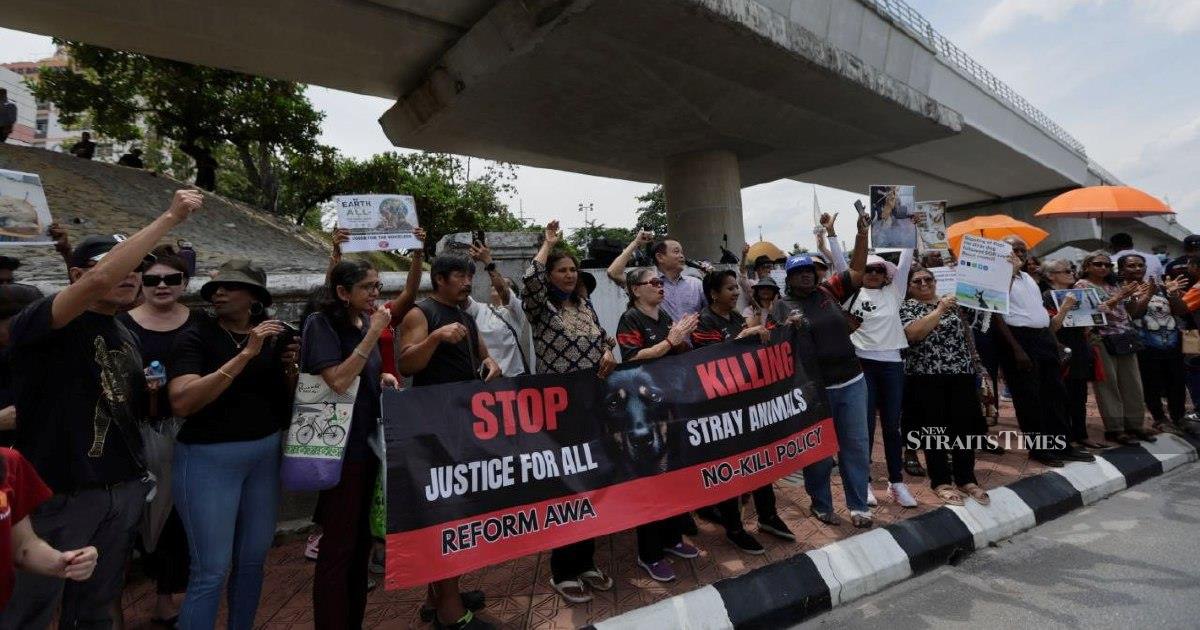
The owner of Rocky, a dog whose case has generated significant public attention in recent weeks, is actively evaluating the possibility of pursuing legal recourse in response to the investigation's findings. Representatives from her legal team confirmed in Klang today that formal action remains under consideration as the probe into the circumstances surrounding the incident concludes. The statement signals a potential escalation in what has already become a contentious matter attracting widespread scrutiny across Malaysia.
The case of Rocky has resonated beyond typical pet-related disputes, drawing considerable media coverage and public commentary as stakeholders await clarity on the investigation's outcome. The decision to contemplate legal proceedings reflects the owner's dissatisfaction with developments thus far and suggests her representatives believe there are substantive grounds for action. The timing of the announcement, coming as investigative processes near completion, indicates strategic positioning ahead of potential formal claims.
For Malaysian readers, the Rocky case underscores broader questions about animal welfare, responsibility protocols, and the legal frameworks governing disputes involving pets. The potential legal action represents an intersection of personal grievance and public interest, particularly given the level of public engagement the incident has generated across social media platforms and traditional news outlets. Such cases often become test cases for how Malaysian courts interpret existing statutes and precedents governing animal-related matters.
The involvement of legal counsel in advancing the owner's interests suggests the situation has transcended informal resolution avenues. Legal teams typically evaluate several factors before signalling commitment to litigation: the strength of available evidence, prospects for success based on applicable law, the quantum of damages potentially recoverable, and the broader reputational implications for their client. That representatives have publicly acknowledged this possibility indicates they view at least some claims as having merit worth pursuing through judicial channels.
Investigation outcomes often determine the trajectory of subsequent legal action, particularly when competing narratives exist regarding an incident's circumstances. The owner's team has presumably reviewed preliminary findings or conclusions and assessed how these findings might support potential claims. The conclusion of the formal investigative process removes one variable from the equation, allowing legal representatives to calculate liability exposure and determine optimal strategic approaches for their client.
In the Southeast Asian context, where precedent regarding animal welfare law and liability remains relatively underdeveloped compared to more established Western jurisdictions, individual cases frequently shape future jurisprudence. If Rocky's owner proceeds to court, the case could illuminate how Malaysian legal institutions balance property rights in animals against emerging welfare considerations and duty-of-care frameworks. Such developments carry implications extending beyond individual disputes to influence how similar situations are handled prospectively.
The announcement also reflects evolving attitudes toward pets within Malaysian society, where dog ownership and animal advocacy have grown substantially over recent decades. Younger, more urbanised demographics increasingly view companion animals as family members deserving protection under law rather than mere property. This cultural shift creates pressure on legal institutions to develop more sophisticated frameworks for addressing animal-related disputes and grievances. Rocky's case may well benefit from this changing social landscape as courts consider whether traditional property law frameworks adequately address modern understandings of human-animal relationships.
The owner's consideration of legal action demonstrates how investigating bodies' conclusions do not necessarily resolve controversies but may instead prompt additional action as interested parties weigh available remedies. Public agencies typically operate within specific mandates and jurisdictions, sometimes leaving aggrieved parties to pursue supplementary avenues through civil courts. In Rocky's situation, if investigators' findings suggest misconduct, negligence, or violations of established protocols by identifiable parties, her legal team would assess whether such findings provide foundations for civil claims seeking damages or injunctive relief.
The coming weeks will prove significant in determining whether this threat of legal action materialises into formal proceedings. The owner's legal team will presumably conduct detailed analysis of investigation outcomes, consult with specialists in relevant areas of law, and advise their client on realistic prospects and potential costs of pursuing various claims. During this period, opportunities for settlement or alternative dispute resolution mechanisms may emerge, potentially resolving the matter without requiring judicial intervention. Alternatively, if the owner determines that investigation conclusions fail to adequately address her concerns, formal legal action could proceed to courts.
The Rocky case has demonstrated how individual animal-related incidents can capture public imagination and generate meaningful discourse about regulatory gaps, institutional accountability, and evolving social values. Whether the owner ultimately pursues legal action or resolves matters through other mechanisms, the case has already contributed to broader conversations about animal welfare standards and dispute-resolution frameworks in Malaysia. The legal system's handling of any resulting claims will likely influence how similar situations are addressed going forward, making this more than merely a dispute between private parties.

