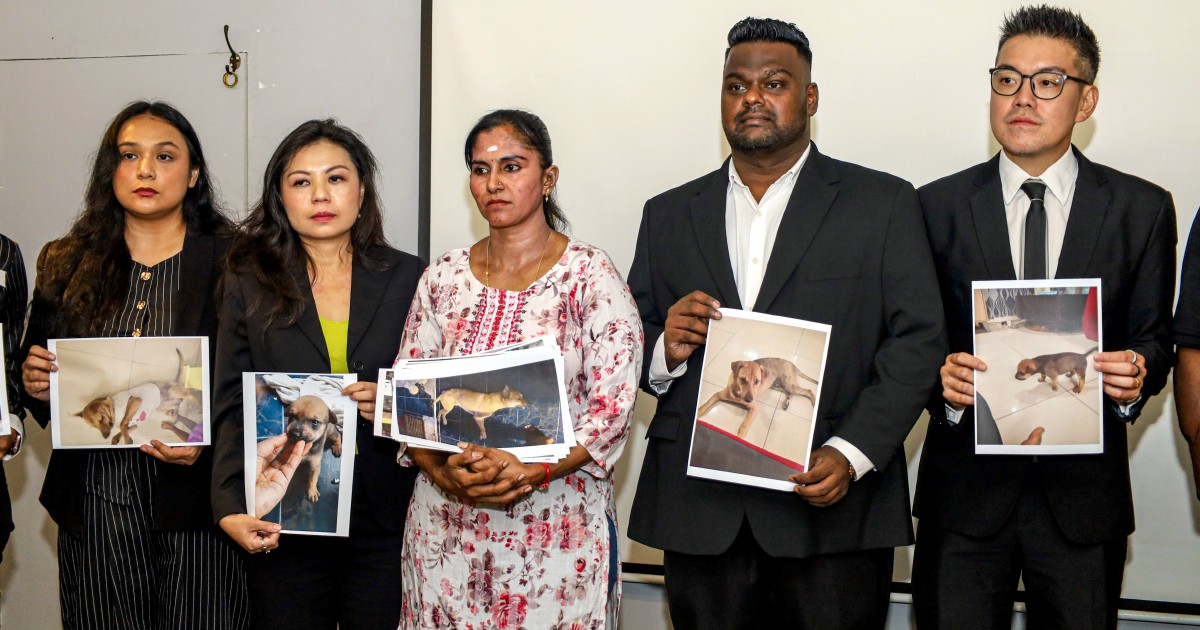
The unexpected death of Rocky, a domestic dog from Taman Teluk Gedung Indah in Port Klang, has prompted urgent questions about the methods and oversight governing dog-catching operations across Malaysia. The incident has become the focal point of wider concerns among pet owners and animal welfare advocates about how local authorities conduct their animal control activities. Rocky's owner has publicly demanded transparency throughout the investigative process, signalling growing public scrutiny of practices that many believe require urgent reform.
Pet ownership in Malaysia has expanded significantly over the past decade, with dogs now present in countless urban households. However, the gap between pet-owner expectations for animal welfare and the actual procedures employed by municipal authorities remains substantial. The Port Klang incident exemplifies this disconnect, as what was ostensibly a routine stray dog management operation resulted in the death of an animal whose owner had a clear responsibility for it. This distinction between stray animals and owned pets raises critical questions about how catching teams distinguish between them and what safeguards exist to prevent harm to animals under their temporary custody.
The standard operating procedures governing dog-catching activities in most Malaysian municipalities have remained largely opaque to the general public. These protocols typically cover how teams identify, pursue, and contain animals, but enforcement consistency varies dramatically across different local authorities. In many cases, these procedures were established years ago with minimal updates to reflect contemporary animal welfare standards or evolving public expectations. The Port Klang case has exposed the necessity for comprehensive review of these frameworks, particularly regarding the training of personnel involved in capture operations and the protocols for minimizing stress and injury to animals.
The investigation that has now been initiated will need to examine multiple dimensions of what occurred. First, authorities must establish the precise circumstances surrounding Rocky's death, including the timeline of events, the specific techniques employed during capture, and whether any force was applied that exceeded what was necessary or proportionate. Second, there is a need to determine whether current procedures for animal handling were followed and, if they were, whether those procedures themselves are fit for purpose. Third, the investigation should assess the qualifications and training of the personnel involved in the operation to establish whether they possessed adequate knowledge of animal behavior and safe handling techniques.
Animal welfare organisations in Malaysia have increasingly raised concerns about injury rates during dog-catching operations. While exact statistics are difficult to obtain due to inconsistent reporting across jurisdictions, anecdotal evidence suggests that incidents resulting in animal injury or death are neither rare nor sufficiently investigated. This normalization of harm, often justified as an unfortunate but inevitable consequence of managing urban stray populations, fails to meet contemporary standards of animal care. The Port Klang case provides an opportunity to establish that accountability and transparency are not optional extras but fundamental requirements of any animal control programme.
For pet owners throughout the Klang Valley and beyond, the incident raises practical concerns about whether their own animals might be at risk during dog-catching operations. Many owners allow their pets to roam within their compounds or neighborhoods, and the possibility that these animals could be mistakenly caught and harmed during operations is deeply troubling. The investigation must therefore address whether capture teams receive adequate information about distinguishing between community-owned animals and genuine strays, and whether they have protocols for contacting owners before removing animals from areas where they may actually reside.
The broader context of animal management in Malaysian cities involves competing pressures and limited resources. Municipalities face legitimate challenges in managing populations of stray dogs that pose genuine safety risks to communities. However, these challenges do not justify procedures that endanger animals unnecessarily or operate without proper oversight. A transparent investigation into Rocky's death offers the opportunity to demonstrate that humane animal control is compatible with effective stray dog management. International examples from other countries show that programmes combining vaccination, neutering, and controlled capture can reduce stray populations while maintaining high welfare standards.
The role of community participation in animal management deserves particular attention in any investigation and subsequent policy review. Many neighbourhoods have residents who voluntarily feed and monitor stray animals, creating informal networks that could support more humane and informed approaches to population control. Rather than regarding these initiatives as obstacles, forward-thinking authorities could partner with such communities to develop integrated strategies that balance public safety, animal welfare, and resource efficiency. The Port Klang incident suggests that capturing operations are often conducted without consultation with residents who possess ground-level knowledge of local animal populations.
Moving forward, any revised standard operating procedures should incorporate mandatory elements including documented training requirements for all personnel involved in animal capture, clear rules of engagement limiting the use of force, medical examination protocols upon capture, and mandatory reporting of any animal deaths or injuries. Additionally, procedures should require notification to residents and local community groups before capture operations in residential areas, and should establish clear pathways for owners to reclaim their animals. These measures would not solve all problems but would represent a substantial improvement over current practices in many jurisdictions.
The investigation into Rocky's death carries significance beyond one tragic incident. It represents a critical juncture in Malaysian animal welfare policy, where transparency and accountability in animal control operations can either become normalized expectations or continue to be treated as secondary concerns. Pet owners, animal welfare advocates, and ethical municipal authorities all have interest in ensuring that the investigation is thorough, findings are made public, and recommendations are actually implemented. The death of one family's beloved pet has the potential to drive systemic improvements that protect countless other animals across the country.

