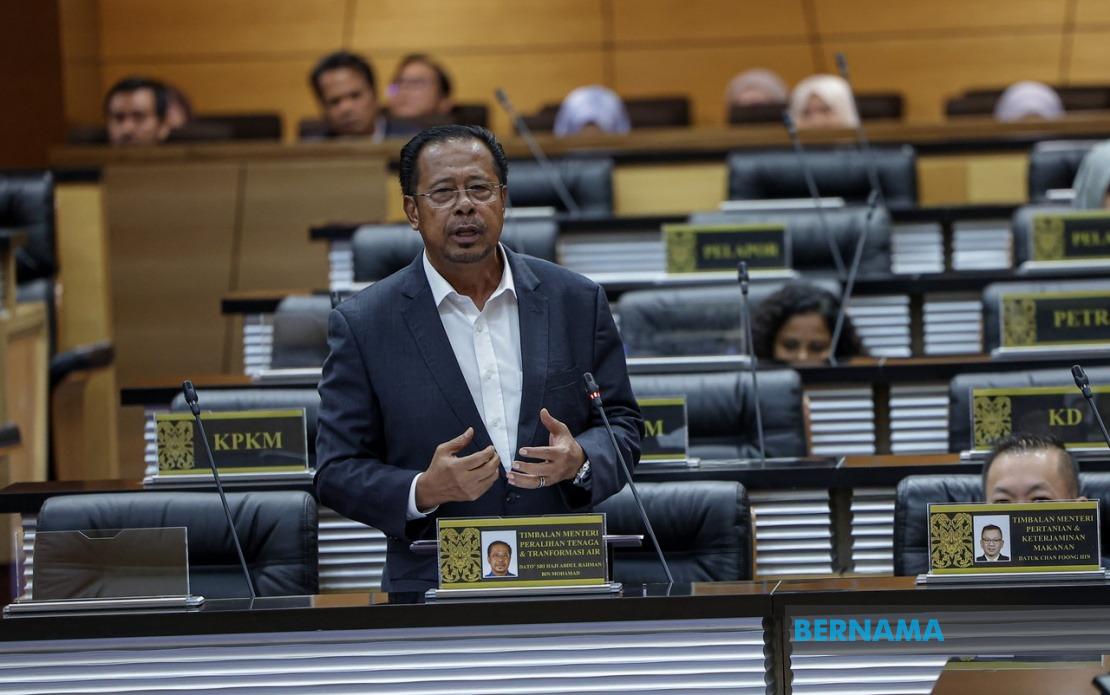
The federal government has committed RM99.8 million to an Integrated River Basin Development project for Sungai Skudai in Johor that will directly benefit around 15,000 residents and shield approximately 50 hectares of surrounding land from recurring floods. Deputy Minister of Energy Transition and Water Transformation Datuk Seri Abdul Rahman Mohamad unveiled the details during a Dewan Rakyat session, clarifying the initiative's scope, timeline and expected outcomes for communities long affected by water-related disasters in the region.
The project, funded under the 12th Malaysia Plan, represents a comprehensive approach to river management that extends beyond simple flood control. Rather, it aims to balance multiple community interests including ecosystem restoration, improved navigability for fishermen, and enhanced capacity for maritime security operations. This multi-faceted approach reflects growing recognition that sustainable river development must address interconnected environmental and socioeconomic concerns affecting downstream populations and livelihoods dependent on waterways.
Currently in its pre-implementation phase, the scheme involves extensive preparatory groundwork that will lay the foundation for successful construction. A consultant was appointed in May 2025 to manage detailed planning and site investigations, with work now focusing on preparing the comprehensive concept report. This methodical approach, though extending the timeline before visible construction begins, aims to ensure that design specifications meet technical requirements and account for local environmental conditions along the 46-kilometre waterway.
Survey operations commenced in November 2025 and are projected to conclude by May 2027, providing crucial data on soil conditions, hydrological patterns, and existing river characteristics. Simultaneously, the land acquisition process started in June 2026 and is targeted for completion by August 2027. These parallel tracks are designed to streamline implementation, allowing procurement and contractor appointment to proceed immediately after technical requirements are satisfied, with actual construction anticipated to commence in the second half of 2027.
The engineering strategy involves substantial modifications to the river's physical structure. The entire 46-kilometre stretch will undergo bank strengthening works to prevent erosion and improve structural integrity. Critically, selected sections will be widened to approximately 15 metres, substantially increasing the waterway's capacity to handle peak flow periods during monsoon rains. These modifications directly address the recurring flooding that has plagued Johor's Sungai Skudai basin, where approximately 50 identified hotspots—including five concentrated in the Kulai area—demand urgent attention.
While the main project progresses through its extended preparatory phase, the government is not remaining inactive. Six interim small-scale projects worth approximately RM700,000 have been identified and implemented as holding measures to provide immediate relief to affected communities. These transitional initiatives target quick wins at critical flood-prone locations, demonstrating commitment to reducing disaster risk even as the comprehensive long-term solution undergoes planning and design refinement.
The ecosystem restoration component addresses environmental degradation accumulated over decades of intensive river use and inadequate management. By improving water flow dynamics and habitat conditions, authorities expect to revive riverine ecosystems that support local biodiversity and fishing communities. For the estimated thousands of fishermen and their families dependent on Sungai Skudai, the project promises restored navigability and sustainable resource access, transforming the river from a liability into an asset for economic activity.
Response from opposition lawmakers indicates significant public concern about implementation reliability. Suhaizan Kaiat from Pulai, representing People's Hope coalition constituents, pressed officials on the project's capacity to deliver measurable results in reducing flood risks, restoring ecological health, protecting fishermen's interests, and bolstering maritime security operations. This line of questioning reflects widespread scepticism about whether announced timelines and budgets will materialise as stated, a concern grounded in Malaysia's historical experience with delayed infrastructure projects.
In a related development affecting the broader Johor transport and water infrastructure landscape, the Ministry of Works announced that Phase Three of the RM174.53 million Pasir Gudang Highway upgrade will navigate railway corridor constraints without requiring land acquisition from Keretapi Tanah Melayu Berhad. Instead, authorities will obtain work permits and right-of-way approvals, a solution that sidesteps potential administrative delays that could have derailed the project. Works near KTMB railway tracks are scheduled between February 2027 and December 2028, ensuring coordinated development in this congested urban transport zone.
The Sungai Skudai project assumes particular importance for Johor given the state's vulnerability to seasonal flooding and its status as a critical economic corridor. The Pasir Gudang industrial zone, nearby residential areas, and agricultural lands all depend on effective water management. As climate patterns become increasingly unpredictable, such infrastructural investments represent essential adaptation measures for protecting economic productivity and resident safety across Southeast Asia's most developed state.
For Malaysian policymakers and Southeast Asian observers, the Sungai Skudai initiative offers a case study in balancing multiple stakeholder interests—flood prevention, environmental restoration, economic livelihood support, and security operations—within a single integrated development framework. Success would validate the comprehensive basin management model as a replicable solution for other rivers throughout Malaysia and the broader region facing similar pressures from urbanisation, climate variability, and competing resource demands.

