The RM38 million Labuan Waterfront Development Project Phase One is undergoing a significant geographical reconfiguration, with planners now envisioning a two-pronged approach rather than concentrating investment solely at the original Victoria Harbour Beach location in downtown Labuan. The initiative, which has been carved from the federal budget allocation announced during the October tabling of Budget 2026 by Prime Minister Datuk Seri Anwar Ibrahim, represents a strategic pivot toward maximizing the duty-free island's tourism and recreational potential across distinct geographical areas.
Originally conceived for implementation on the Victoria Harbour Beach waterfront at the site of Labuan's former wet market in the commercial heart of the island, the expanded scheme now incorporates a complementary development footprint along the Nagalang coastline. This bifurcated approach reflects growing recognition within federal planning circles that concentrated waterfront investment alone may not fully harness Labuan's diverse coastal assets and tourism opportunities. The decision to split the project has emerged through consultation and refinement processes involving multiple stakeholder agencies.
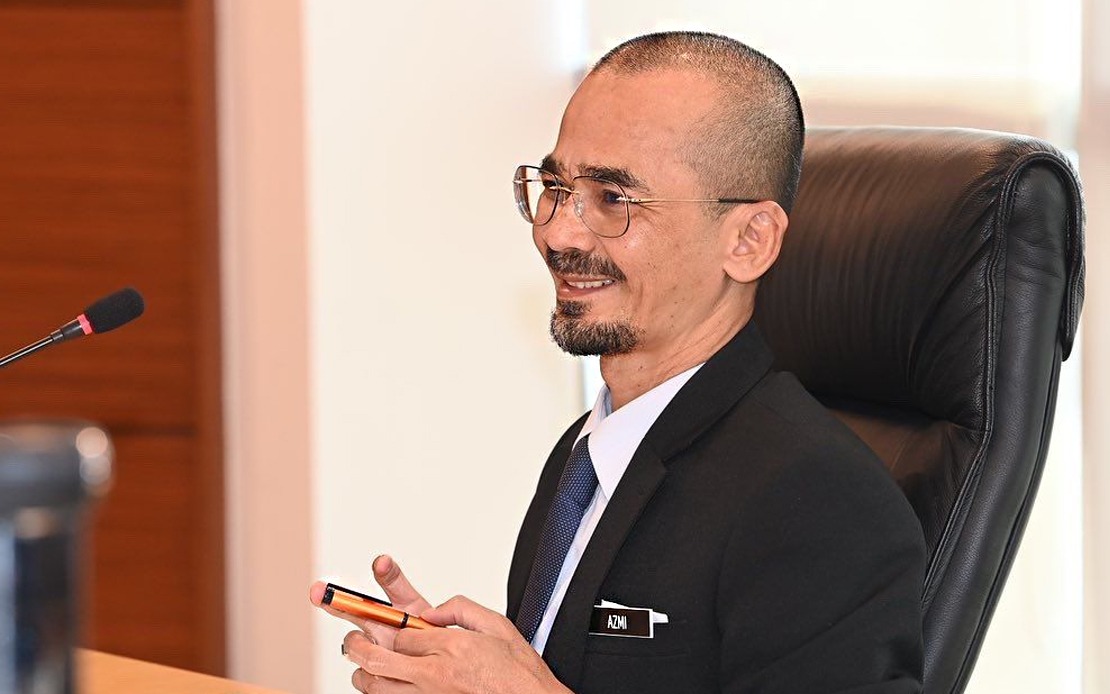
According to Datuk Muhammad Azmi Mohd Zain, Director-General of the Department of Federal Territories, the Nagalang component has been specifically designed with eco-tourism and recreational development as its primary objectives. This thematic differentiation allows the two sites to serve complementary purposes within the broader waterfront revitalization agenda. While Victoria Harbour maintains its original urban-focused development trajectory, the Nagalang section will capitalize on the coastline's environmental character and appeal to visitors seeking nature-oriented experiences and outdoor recreation.
The conceptual design ensures that rather than competing for attention or resources, the dual-site model positions both areas as interconnected elements of a comprehensive waterfront strategy. The Victoria Harbour development continues to emphasize its downtown location advantages, serving as the cultural and commercial nexus of the waterfront initiative, while Nagalang offers geographic dispersal that spreads tourist traffic and economic benefits across the island's coastal regions. This spatial distribution approach aligns with emerging best practices in waterfront regeneration, where multiple nodes create layered visitor experiences and reduce concentrated pressure on singular flagship sites.
A defining aspect of the revised scheme is the explicit commitment that no land reclamation activities will occur at Victoria Harbour, a clarification that addresses earlier concerns about environmental and budgetary implications. Datuk Muhammad Azmi emphasized that maintaining the existing shoreline parameters is deliberate policy, as reclamation initiatives would necessitate substantially amplified financial commitments beyond the current RM38 million allocation. This constraint has effectively shaped the design parameters for Victoria Harbour, directing planners toward enhancement and optimization of existing spaces rather than expansion through artificial extension.
The proposed restructuring has navigated through departmental coordination channels and now resides at the Economy Ministry for final deliberation and approval. The submission maintains the original scope and development objectives designated for Victoria Harbour while introducing the new Nagalang component as an addendum rather than a replacement element. This sequencing suggests that project architects and government planners view the two-location model as evolutionary enhancement rather than fundamental alteration of the foundational vision first articulated during budget announcements.
For Labuan's economic development trajectory, the project carries significance beyond mere waterfront aesthetics. The island's positioning as a duty-free commercial hub historically attracted investment and business activity, yet tourism infrastructure has often lagged behind neighboring regional destinations. A bifurcated waterfront strategy offers potential to broaden Labuan's appeal to leisure travelers seeking both urban convenience and natural attractions. The Victoria Harbour component, anchored in the downtown precinct where the former wet market operated, can leverage existing urban infrastructure and accessibility, while Nagalang reaches toward environmentally conscious visitors and adventure tourism segments.
The timing of this reconfiguration reflects broader federal territorial development priorities. Under the current administration's emphasis on regional growth corridors and infrastructure modernization, federal territories including Labuan receive strategic attention as laboratories for innovative development models. The waterfront project exemplifies how traditional urban renewal concepts are being adapted to incorporate environmental stewardship and diversified economic activity targets simultaneously.
Implementation timelines remain contingent upon final Economy Ministry authorization, but the submission of the two-location proposal signals that detailed planning sufficiently advanced the concept beyond preliminary stages. Should approval materialize, project commencement could facilitate employment generation during construction phases and position Labuan competitively within the regional tourism marketplace, particularly for visitors seeking unique combinations of commercial duty-free shopping, waterfront recreation, and coastal eco-tourism experiences.
The RM38 million commitment represents substantive federal investment in territorial infrastructure, and the refined development approach suggests budget stewardship aimed at maximizing utility across geographically dispersed assets. Rather than concentrating expenditure at a single downtown node, the two-location strategy disperses infrastructure improvements, potentially generating spillover benefits across Labuan's broader economy and creating reasons for extended visitor stays and wider distribution of spending across local businesses and hospitality sectors.

