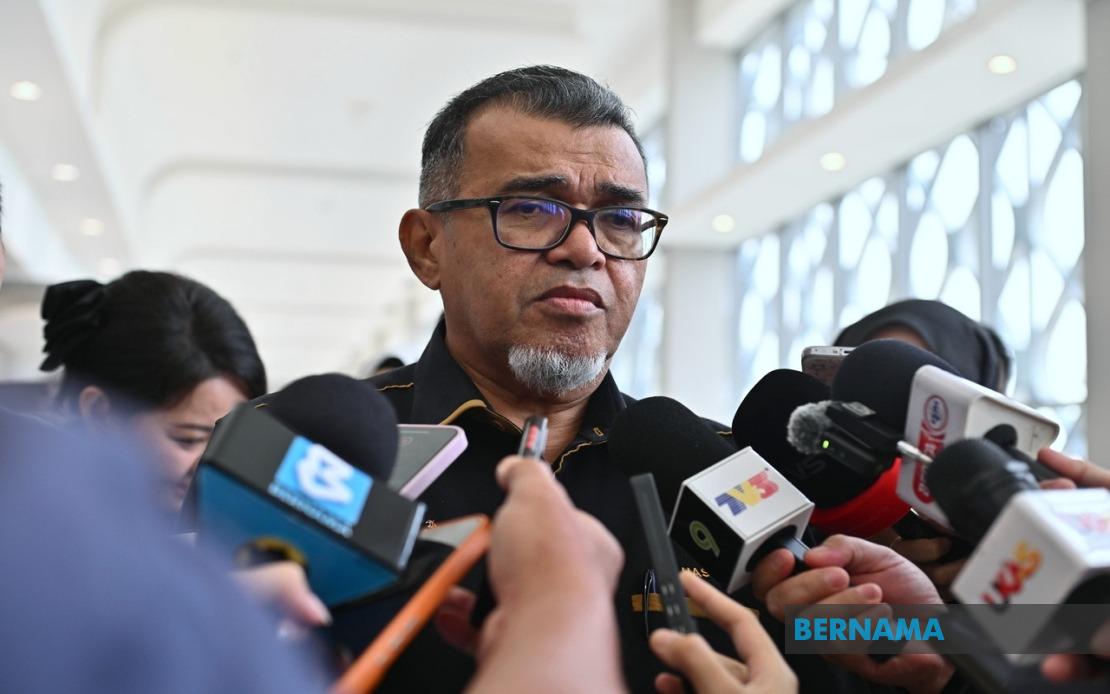
The Federal Government is committing RM30 million towards modernising two critical aviation lifelines serving remote interior communities in Sarawak, Deputy Transport Minister Datuk Hasbi Habibollah announced following his participation in the National MADANI Taxi Renewal Programme in Kuching. The investment will be split evenly between the Short Take-Off and Landing (STOL) airports at Long Banga and Ba'kelalan, with RM15 million allocated to each facility's upgrade programme.
This funding represents a significant commitment to addressing infrastructure gaps in rural Sarawak, where conventional airports cannot be established due to geographical constraints. The minister framed the initiative as essential to ensuring that development benefits extend beyond urban centres, emphasising that isolated communities deserve comparable facility standards to those available in more densely populated regions. By channelling resources into these remote STOLports, the government acknowledges the unique transportation needs of interior settlements where air connectivity remains the primary link to larger population centres.
The modernisation programme targets two specific operational limitations that currently restrict service capacity. Twin Otter aircraft, the workhorses of these routes, operate within severe passenger constraints due to runway length and condition. The upgrade will include runway extension works designed to accommodate larger aircraft or increased frequency operations, directly expanding the number of residents and goods that can be transported on each flight cycle. This physical infrastructure enhancement represents the most direct path to improving connectivity for communities that have historically relied on air transport as their main access to healthcare, education, and economic opportunities.
For Malaysian readers, particularly those in Peninsular Malaysia unfamiliar with remote interior logistics, it is crucial to understand the outsized importance of STOL airports in Sarawak's transportation network. Unlike developed regions where road networks provide redundancy and alternative routing, interior Sarawak communities depend almost entirely on aerial transport. Schools, hospitals, and government services in these areas cannot function without reliable airstrip access. Weather disruptions or aircraft limitations directly translate to medical emergencies becoming life-threatening situations and economic isolation deepening.
The Twin Otter aircraft currently serving these routes, while reliable and purpose-built for challenging terrain, represent a capacity ceiling rather than an aspirational standard. These turboprop-powered machines typically accommodate 15 to 20 passengers depending on configuration and weight distribution. A family requiring medical evacuation, a government official conducting official business, or a teacher reporting for posting often represents a substantial portion of available seats. Runway extensions would theoretically permit introduction of larger aircraft such as regional turboprops that can carry 40 to 50 passengers, fundamentally reshaping passenger flow and reducing service frequency requirements.
The timing of this announcement reflects broader policy emphasis on inclusive development across Malaysian territory. The MADANI framework, under which the transport minister was operating during his Sarawak visit, prioritises equitable resource distribution and strengthening bonds between different regions of the country. STOLport upgrades directly embody this principle by targeting infrastructure serving Malaysia's most dispersed and economically vulnerable populations. Government officials increasingly recognise that rural connectivity investments generate multiplier effects throughout local economies by enabling regular commerce, reducing healthcare costs through faster emergency access, and facilitating integration into national labour markets.
From a regional Southeast Asian perspective, Sarawak's interior aviation network demonstrates the persistent challenges facing equitable development across geographically fragmented territories. Indonesia, Thailand, and the Philippines face comparable obstacles in serving remote communities, and Malaysian approaches to STOL infrastructure development carry relevance as case studies or potential models. Malaysia's capacity to systematically fund rural airstrip improvements positions the country as a relative leader in addressing remote connectivity, though the per-capita investment required to maintain adequate service across sprawling interior regions remains substantial relative to overall transport budgets.
The infrastructure improvements will require careful coordination between transport ministry planners and community stakeholders. Runway extensions demand not merely laying additional pavement but ensuring proper drainage, surface quality standards, and safety margins meet aviation authority specifications. Simultaneously, service hangar improvements and passenger terminal enhancements must accompany runway work to create functional modern facilities. The RM15 million per facility must therefore be apportioned across multiple concurrent upgrades, requiring disciplined project management to prevent cost overruns that are common in remote infrastructure undertakings.
Expanding passenger capacity carries secondary economic implications for these interior communities. Higher-frequency or larger-capacity services reduce per-ticket costs, making regular travel between interior settlements and urban centres more economically feasible for residents. Educational opportunities, business ventures, and family connections become more sustainable when transportation costs decline materially. Small entrepreneurs in interior communities gain improved market access, while urban workers and businesses gain more reliable access to interior resources and labour. These economic linkages, strengthened by infrastructure investment, gradually integrate dispersed communities into broader Malaysian economic networks.
The announcement also signals government responsiveness to Sarawak's specific infrastructure needs at a time when the state holds considerable political significance within Malaysia's federal framework. Chief Minister Abang Johari Openg and the Sarawak government have consistently advocated for enhanced federal investment in state development. STOLport funding demonstrates tangible resource commitment to addressing Sarawak concerns while strengthening the relationship between federal and state-level governance. Continued visibility of such projects helps build the consensus supporting integrated national development.
Implementation timelines remain unspecified in the deputy minister's statement, leaving questions about project completion schedules and phasing approaches. Rural infrastructure projects frequently encounter delays due to weather disruptions, supply chain complications, and logistical challenges inherent to remote work sites. Clarity regarding expected completion dates and interim operational arrangements during construction phases will become important as projects progress. Community notification and coordination regarding service disruptions during upgrade work can help prevent frustration with a developmental initiative intended to serve local interests.
Looking ahead, this STOLport investment may establish momentum for broader rural aviation infrastructure expansion. If Long Banga and Ba'kelalan projects succeed in improving service levels and can document economic benefits accruing to local communities, the case for similar investment in other remote STOLports becomes more persuasive to policymakers. Sarawak contains numerous interior settlements served by comparable airstrips, suggesting potential for a phased nationwide programme systematically upgrading rural aviation infrastructure. Such expansion would meaningfully advance Malaysia's stated commitments to balanced development and inclusive prosperity across all regions.

