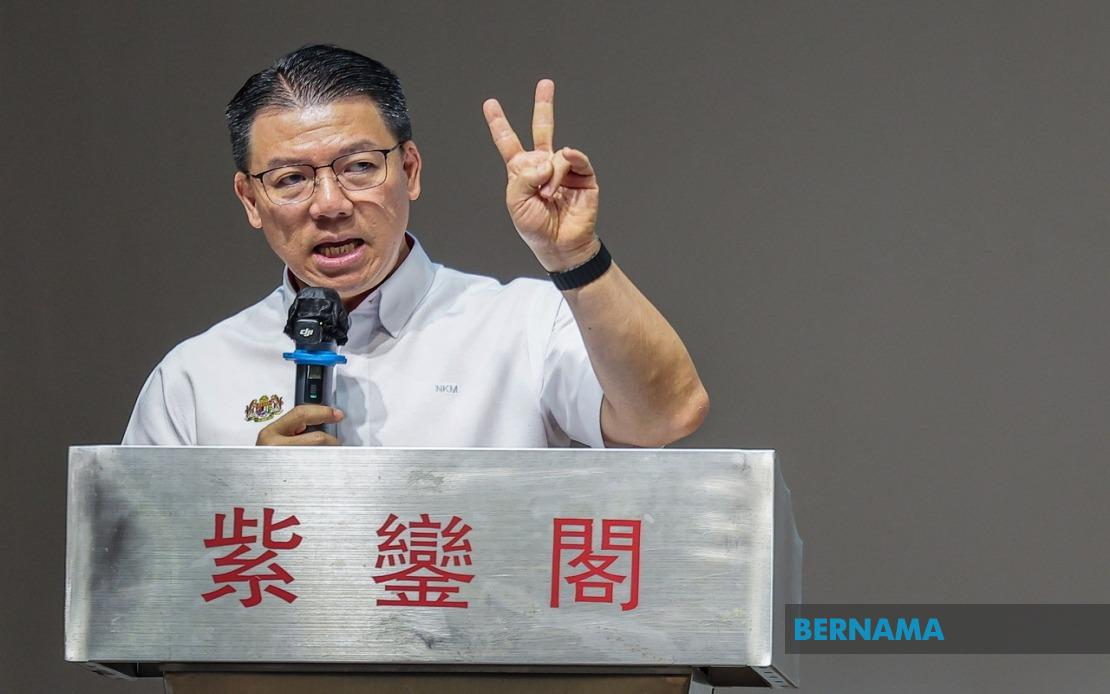
The Malaysian government has committed RM200 million across a four-year period beginning in 2023 to sustain and improve non-Muslim houses of worship throughout the country, reflecting what officials characterise as an inclusive approach to religious infrastructure development. Housing and Local Government Minister Nga Kor Ming announced the commitment during a ceremony in Kluang, Johor, where the government handed over specific allocations to local religious institutions requiring renovation and repair work.
The initiative encompasses maintenance support for a diverse array of faith-based structures including churches, gurdwaras, Hindu temples, Buddhist temples, and other religious association premises. This broad scope underscores the government's intention to address infrastructure needs across Malaysia's multi-religious society, encompassing the primary non-Islamic faiths practised across the nation. The programme operates through a dedicated e-RIBI System designed to streamline applications and ensure efficient fund distribution to qualifying organisations.
Demand for the programme has exceeded initial expectations, with data indicating that nearly 1,480 applications have been submitted through the system since its establishment, carrying a combined value surpassing RM279 million. This substantial figure demonstrates widespread recognition among faith communities that their religious facilities require considerable investment to maintain adequate conditions for worship and community activities. The discrepancy between available funding and requested amounts highlights ongoing infrastructure deficits within Malaysia's minority religious institutions, many of which operate with limited independent resources.
Johor alone has received RM18.75 million in cumulative allocations from programme inception through May 2026, benefiting 154 registered religious institutions across the state. For the current year, the state is receiving a dedicated RM3.14 million directed towards 27 specific projects, enabling targeted renovation and emergency repairs across Johor's diverse religious establishments. These figures illustrate how the national allocation translates into tangible regional support, with Johor receiving roughly one-tenth of total distributed funds based on current disbursement patterns.
Nga framed the initiative within the broader MADANI governance framework, which emphasises inclusive development transcending racial and religious boundaries. He articulated the government's vision as one promoting unity and mutual respect across Malaysia's multicultural landscape, emphasising that development should benefit all communities fairly rather than advancing interests along demographic lines. This positioning addresses growing concerns about sectarian tensions and perceptions of unequal resource distribution that have periodically surfaced in Malaysian public discourse.
The minister used the announcement to stress the government's commitment to bridge-building rather than division, employing rhetoric that counters potential criticism of preferential treatment for particular communities. By allocating substantial resources to minority religious infrastructure, the administration seeks to demonstrate that MADANI governance encompasses practical commitments to religious pluralism. This message holds particular significance given Malaysia's history of communal sensitivities and occasional tensions surrounding resource allocation across religious and ethnic lines.
Transparency and accountability mechanisms form integral components of the programme's design, with the housing ministry pledging rigorous professional oversight of all approved projects. Officials stated their intention to monitor fund utilisation closely, ensuring that government resources reach genuinely deserving organisations capable of executing planned maintenance work effectively. This emphasis on transparency addresses longstanding concerns about public fund management and aims to build confidence among both religious communities and the general public regarding resource stewardship.
The timing of these initiatives reflects broader political calculations within Malaysian governance. Infrastructure development directed at minority communities can serve multiple objectives simultaneously—improving facilities for religious groups whilst simultaneously demonstrating governmental commitment to inclusivity and fair representation. For religious communities themselves, the programme offers practical solutions to chronic maintenance challenges that many institutions face due to limited congregational wealth, particularly among newer or smaller faith communities.
For Malaysia's regional standing, these investments carry symbolic weight beyond domestic considerations. Southeast Asia has experienced periodic communal tensions related to religious infrastructure and resource distribution in various countries. Malaysia's deliberate commitment to maintain minority religious facilities through government funding positions the nation as managing religious diversity pragmatically, potentially offering a model of interfaith accommodation worth observing for neighbours navigating similar plural societies.
The RM3.14 million allocation to Johor's 27 institutions this year encompasses renovation work, new construction initiatives, and emergency repairs—addressing both preventative maintenance and urgent structural concerns. Many religious institutions have deferred repairs due to financial constraints, allowing conditions to deteriorate significantly. Targeted government support enables these premises to address accumulated deficiencies whilst maintaining operational standards for their communities.
Looking forward, the sustained nature of the RIBI initiative suggests this represents not merely a one-time gesture but rather an embedded component of long-term infrastructure policy. The four-year commitment extending into 2027 indicates planning horizon extending beyond current electoral cycles, though continuation beyond that date remains subject to future policy decisions. For religious organisations seeking to plan facility improvements and capital projects, this provides some degree of budgetary certainty, though many applicants have already exceeded available allocations significantly.
The programme's success will ultimately depend on implementation efficiency and whether fund distribution reaches institutions most requiring support. Equitable allocation across different religious communities and geographic regions will determine whether the initiative genuinely advances inclusive development or merely creates perceptions thereof. As applications continue accumulating, pressure on available funding will intensify, requiring difficult prioritisation decisions that themselves may become subjects of scrutiny regarding fairness and transparency.

