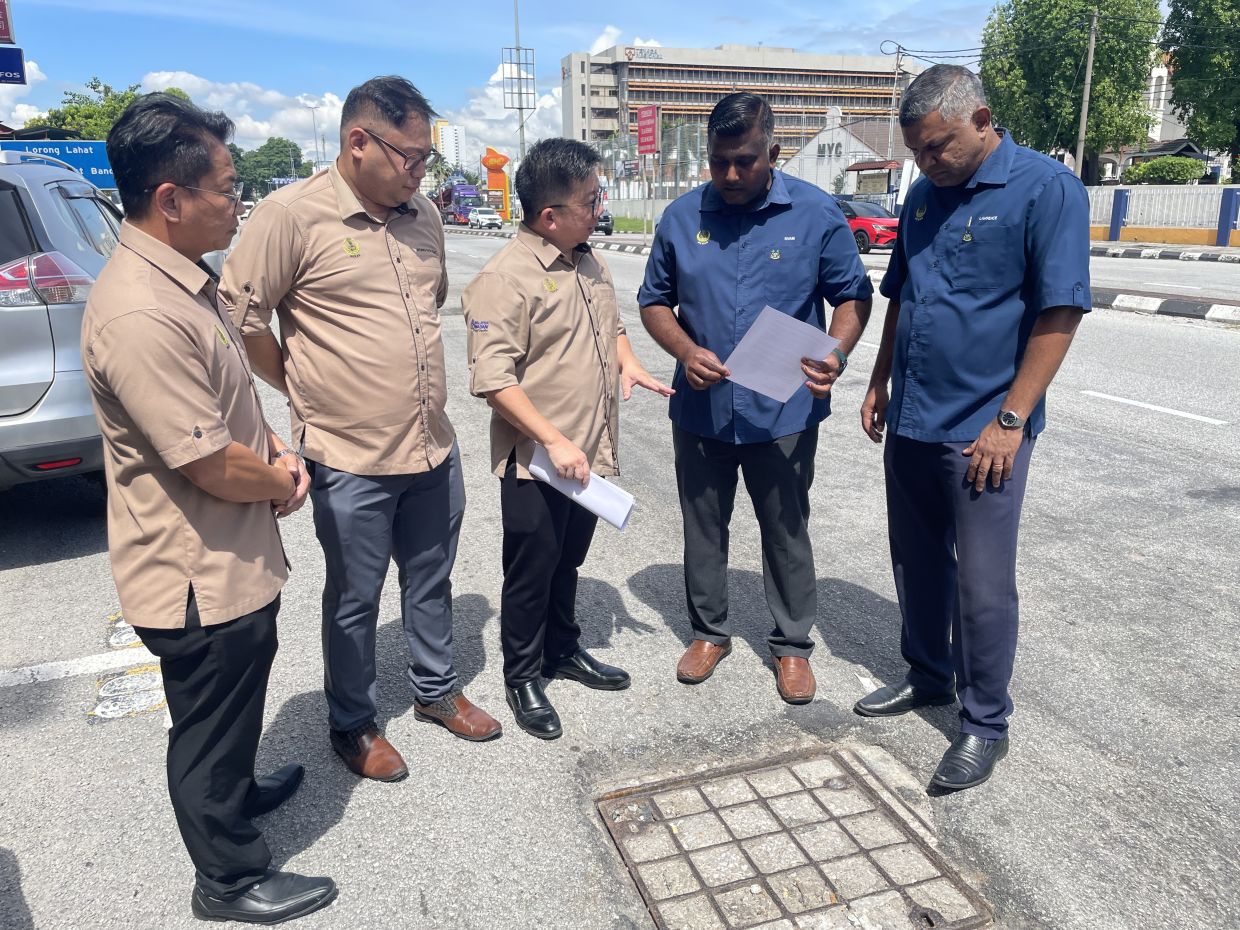
Motorists traversing Jalan Lahat in Ipoh will soon benefit from a substantial rehabilitation initiative, with a RM2.6 million resurfacing contract poised to commence this July. The project represents a significant intervention for a road corridor that has become increasingly problematic, affecting commuters across three state constituencies—Buntong, Tebing Tinggi and Menglembu—while serving as a vital link through residential neighbourhoods, educational institutions and commercial districts.
The scope of works encompasses approximately 4 kilometres of the thoroughfare, running from the Falim traffic lights through to the Jalan Leong Boon Swee junction near Little India. Although Jalan Lahat extends between 10 and 11 kilometres in total length, the contractors will focus resurfacing efforts on the most deteriorated stretches, covering roughly 1.9 kilometres in each direction. Menglembu assemblyman Chaw Kam Foon announced the initiative, noting that the funding flows through the Malaysian Road Records Information System (Marris), demonstrating growing institutional capacity for tracking and prioritising road maintenance across the nation.
The approval arrives after sustained pressure from constituents and public attention directed towards the road's declining condition. Recent social media campaigns highlighted the severity of surface degradation, particularly a prominent pothole that appeared on a flyover section and sparked legitimate safety anxieties among drivers. The viral documentation of this defect catalysed swift temporary patching, though such band-aid solutions proved ineffective as a long-term remedy. Within a single month alone, approximately 20 vehicles sustained tyre damage from impacts with potholes, underscoring the hazardous conditions that daily users have endured.
Councillor K. Sivam provided additional context, explaining that the resurfacing request has been repeatedly submitted since 2024, with approval finally materialising this year. The tender process is currently underway, and contractors expect to mobilise equipment and personnel within weeks. The anticipated completion timeline spans approximately three weeks, suggesting efficient execution contingent on favourable weather and logistical coordination. This relatively compressed delivery schedule reflects the urgency with which authorities regard the matter.
The underlying causes of the road's deterioration extend beyond natural wear and traffic volume. Sivam attributed significant damage to inadequate restoration practices following utility excavation works, particularly sewerage pipeline installations that failed to restore surfaces to satisfactory standards. This dimension of the problem highlights a systemic governance challenge across many Malaysian municipalities—utilities undertaking subsurface work often leave roads in compromised condition, compounding decay that subsequent heavy traffic accelerates. The sheer volume of lorries and commercial vehicles traversing Jalan Lahat has exacerbated deterioration, making previous patching efforts ultimately futile.
The rehabilitation scope encompasses more than simple asphalt laying. Works will include levelling manhole covers, eliminating road undulations that destabilise vehicle suspension and increase accident risk, and repainting lane markings to restore visibility and traffic organisation. These comprehensive measures distinguish the project from temporary fixes, addressing the structural integrity that previous interventions overlooked. The attention to detail signals recognition that sustainable road conditions require multifaceted approaches rather than reactive pothole-filling.
Looking forward, the state has instituted accountability mechanisms to prevent recurrence of this scenario. The Corridor Utiliti Darul Ridzuan (KUDR) will assume enhanced supervisory authority over future excavation works, mandating that utility companies restore roads according to approved specifications. Enforcement powers include financial penalties, compounding, and directives to undertake repairs again if standards are breached. This regulatory framework represents an important evolution in municipal governance, establishing clear consequences for negligent restoration practices that have historically burdened taxpayers with expensive repairs.
The Jalan Lahat project carries broader implications for Perak and similar urban corridors across Southeast Asia where ageing infrastructure and inadequate maintenance regimes create cascading problems. The initiative demonstrates that persistent community advocacy, amplified through digital platforms, can prompt government response and budget allocation. Yet it also illustrates how preventive infrastructure investment and rigorous oversight of utility contractors represent more cost-effective approaches than allowing roads to deteriorate to emergency-repair thresholds.
For Malaysian road users and traffic safety advocates, the Jalan Lahat rehabilitation signals growing recognition that road conditions directly impact vehicle safety, fuel efficiency and public health. The three-week completion target, if met, will remove a notorious bottleneck from Ipoh's transportation network. However, sustained success depends on whether KUDR's enhanced authority proves effective at preventing future utility-related damage, and whether budget allocation mechanisms like Marris continue prioritising maintenance of heavily-trafficked corridors serving diverse demographic groups.