The Sekolah Jenis Kebangsaan Cina (SJKC) Eco Grandeur in Bandar Puncak Alam, Selangor is poised to become an important educational anchor for the growing residential township when construction concludes by the end of 2027. The school is expected to welcome its first cohort of students in the third quarter of 2028, eventually housing approximately 960 pupils operating on a single-shift basis. This development represents a significant investment in primary education infrastructure for the region, addressing the growing demand for quality schooling in newly developed areas across the Klang Valley.
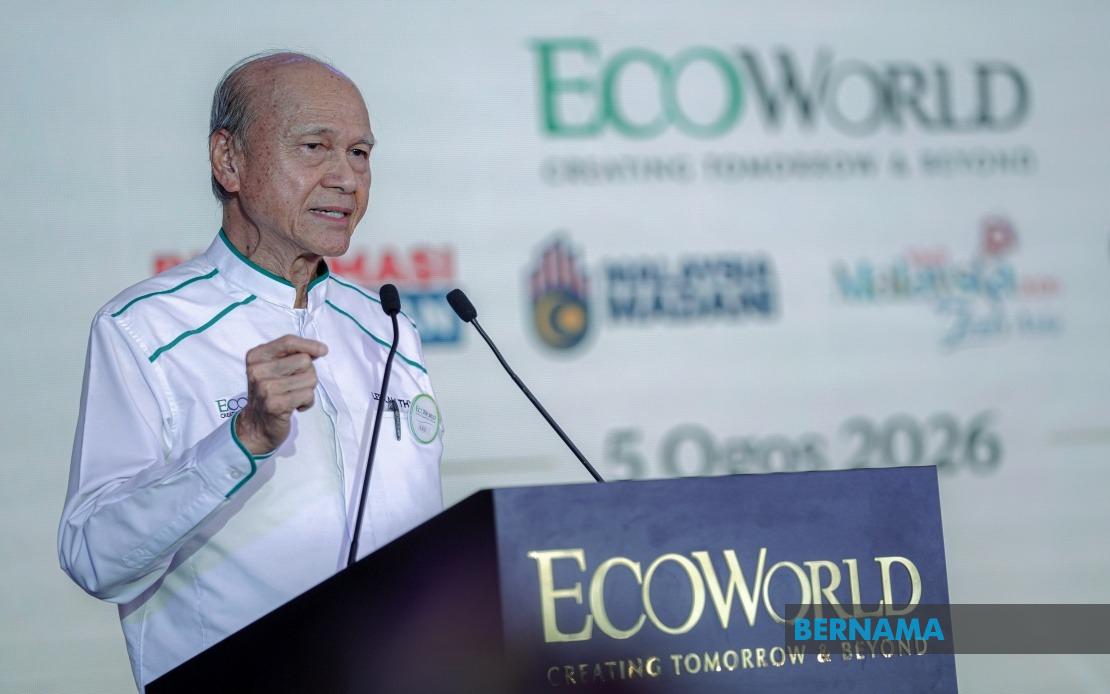
The RM18 million project emerged from an innovative partnership model between EcoWorld Development Group Bhd and the Ministry of Education, structured as a donation-and-build initiative rather than traditional government procurement. Eco World Foundation chairman Tan Sri Lee Lam Thye explained that the developer committed substantial resources to construct the facility on a 6.6-hectare plot within the Eco Grandeur township. This collaborative approach reflects a broader trend in Malaysia where private developers increasingly shoulder responsibility for social infrastructure that supports new residential communities, reducing pressure on government budgets whilst ensuring adequate facilities for residents.
Education Minister Fadhlina Sidek officiated the groundbreaking ceremony, signalling strong government backing for the project and its alignment with national educational priorities. Lee emphasised that whilst physical infrastructure and housing form the foundation of successful townships, institutions like schools provide the social cohesion necessary for communities to develop deep roots and thrive long-term. The school's location within Bandar Puncak Alam positions it to serve not only residents of the Eco Grandeur development but also pupils from surrounding neighbourhoods, potentially becoming a hub for Chinese-medium education in the western corridor of Selangor.
The architectural design distinguishes itself through several forward-thinking features aimed at inclusivity and environmental stewardship. The building incorporates 24 classrooms alongside supporting facilities including a multi-purpose hall, covered sports court and canteen, providing comprehensive amenities for daily school operations. Notably, the school's designers integrated a continuous ramp system encircling the structure to enhance accessibility for persons with disabilities, moving beyond minimum compliance to create genuinely welcoming spaces. The integration of a library-in-a-garden concept and environmentally friendly design elements reflects contemporary educational philosophy that recognises the relationship between physical environment and learning outcomes.
According to Lee, the philosophical approach underpinning the school's development recognises that effective education extends beyond textbooks and classroom walls. The initiative emphasises that pupils require supportive environments, emotional stability, and encouragement to realise their potential fully. This understanding has been informed by the foundation's experience with student assistance programmes and school-based initiatives that demonstrate how accessible quality education can fundamentally alter life trajectories. The school's design and operational philosophy aim to create a space where every child feels welcomed, supported and empowered to participate actively in their own learning journey.
Initial site preparation activities commenced following formal approval received earlier in 2024, including land clearing and piling works essential to establishing the building foundation. The developer expressed confidence that subsequent construction phases would proceed according to schedule, though like many infrastructure projects in Malaysia, completion timelines remain subject to various logistical and weather-related variables. The phased approach allows the project team to manage construction methodically whilst maintaining quality standards appropriate for an educational facility.
Following the building handover, the Ministry of Education anticipates requiring between three and six months to complete necessary administrative documentation, regulatory registration and operational preparations before the school commences formal instruction. This timeframe reflects the bureaucratic requirements inherent in establishing a new educational institution within the national school system, including curriculum alignment, staff recruitment and allocation, and safety compliance verifications. The District Education Office will coordinate these arrangements, ensuring the school meets all statutory requirements before accepting pupils.
Enrolment for Year One through Year Six will be coordinated collaboratively between the Ministry and District Education Office, targeting pupils from Bandar Puncak Alam and adjacent residential areas. This phased intake approach allows the institution to establish its operational rhythm gradually rather than attempting to manage a full complement of 960 pupils immediately upon opening. Priority placement is likely to extend to Eco Grandeur residents, providing a convenience factor that enhances the development's appeal to families prioritising proximity between home and school.
The timing of this school's development reflects significant demographic trends across the Klang Valley, where rapid residential expansion has consistently outpaced educational infrastructure provision. The creation of SJKC Eco Grandeur addresses this imbalance whilst supporting the government's agenda to maintain and strengthen vernacular education streams. For Chinese-speaking families seeking quality primary education within a planned township environment, this facility will represent a rare combination of modern amenities, inclusive design and educational philosophy grounded in community engagement. As Malaysia continues grappling with how to provide adequate schooling across diverse residential landscapes, the Eco Grandeur model demonstrates viable approaches that leverage private sector resources within public educational frameworks.

