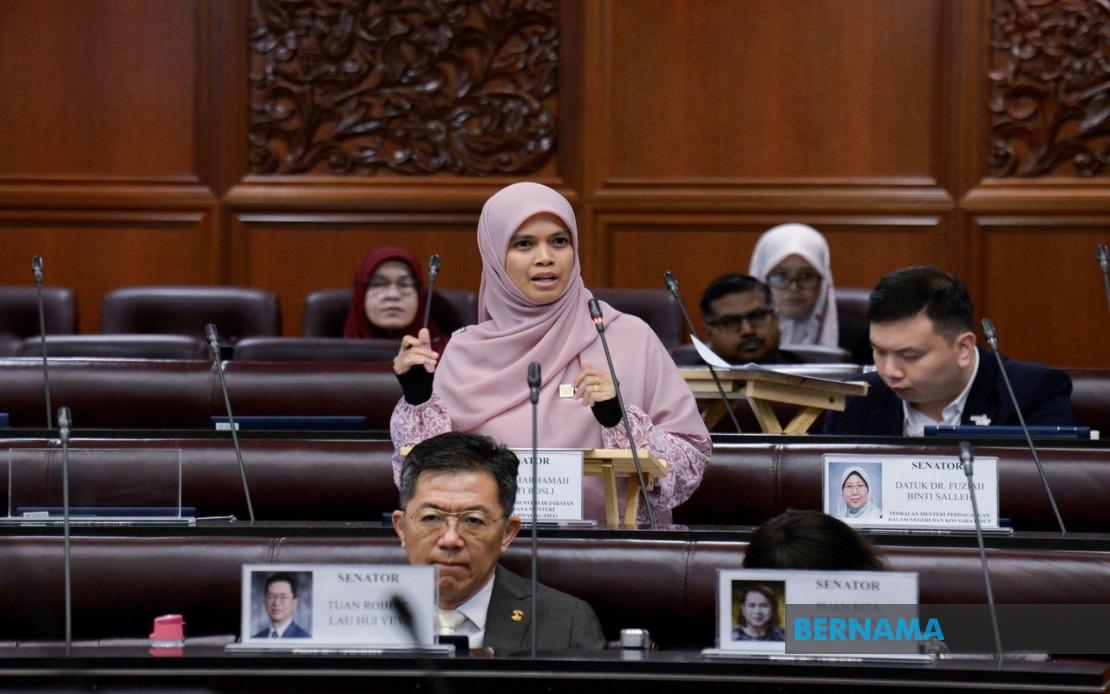
The MADANI administration has committed substantial resources to expanding mosque infrastructure across the country, with 92 construction projects totalling RM160.82 million approved between 2023 and June 2024. Deputy Minister in the Prime Minister's Department (Religious Affairs) Senator Marhamah Rosli disclosed that of these developments, 54 mosques have already been completed and 16 are actively under construction, representing steady progress in a nationwide religious infrastructure programme.
The remaining 22 projects are still in their early phases, either awaiting implementation approval or navigating the procurement process that precedes actual construction work. This staggered timeline reflects the practical complexities of rolling out such an ambitious programme across a geographically diverse nation with varying administrative capacities at state and federal levels. The distribution of projects at different stages demonstrates the government's commitment to a phased, sustainable approach rather than attempting to compress all developments into an unrealistic timeframe.
When approving new mosque construction, authorities apply rigorous criteria that balance demographic need with practical infrastructure considerations. State religious departments provide formal recommendations based on factors including Muslim population growth and concentration in specific areas, the existing capacity and geographic spacing of current mosques, site suitability for development, land ownership status, and the state government's demonstrated willingness to co-finance the project. This collaborative filtering system helps ensure that investments address genuine community needs rather than duplicating existing facilities or placing structures in locations poorly suited to serve worshippers effectively.
A significant policy shift underpins this mosque-building initiative. At the 139th Meeting of Menteri Besar and Chief Ministers held on June 28, 2022, federal and state governments agreed to share the financial burden of mosque development projects equally. This departure from earlier funding arrangements represents a recognition that religious infrastructure represents a shared responsibility across different levels of government, strengthening the financial sustainability of such programmes and ensuring state governments remain invested partners in implementation rather than passive recipients of federal decisions.
Beyond their primary function as prayer spaces, Malaysia's mosques have evolved into multifaceted community institutions. The government has deliberately expanded mosque roles to encompass welfare outreach directed at society's most vulnerable segments, including the homeless, urban poor, and low-income households. This strategic repositioning transforms mosques from exclusively religious facilities into comprehensive social support hubs, leveraging their trusted community presence and administrative structures to deliver targeted assistance.
The specific welfare initiatives operating through mosque networks reveal the breadth of this social mission. Programmes distribute aid specifically designated for asnaf categories, which under Islamic tradition include eight deserving recipient groups. Food assistance takes multiple forms, from regular basket distributions to community kitchen operations that provide subsidised or free meals to those struggling with food insecurity. These practical interventions address immediate nutritional needs whilst building community bonds and reducing stigma around accessing support.
Educational and financial assistance programmes extend mosque-based support into longer-term human capital development. Emergency financial grants help families navigate unexpected crises that might otherwise push them into deeper poverty, while education support programmes remove financial barriers to schooling for children from disadvantaged backgrounds. These investments acknowledge that breaking poverty cycles requires intervention across multiple dimensions simultaneously, not merely emergency relief alone.
Mental health and psychosocial support represents another critical dimension of mosque-centred welfare. Trained counselling services address the psychological dimensions of poverty and vulnerability, tackling depression, anxiety, and trauma that frequently accompany financial hardship. Funeral management assistance removes the financial burden that death occasions, a particularly pressing concern for low-income families for whom unexpected funeral expenses can prove catastrophic. Temporary shelter facilities provide immediate housing solutions for individuals experiencing homelessness, offering transitional refuge whilst longer-term housing arrangements are explored.
Implementing these varied programmes requires extensive coordination across multiple institutional actors. The Department of Islamic Development Malaysia (JAKIM) operates as the federal coordinating body, but effective delivery depends fundamentally on state Islamic religious departments and councils, which maintain direct operational connections with local mosques and community members. Non-governmental organisations bring specialised expertise and volunteer capacity, whilst other government agencies contribute sectoral knowledge and resources. This institutional ecosystem reflects a recognition that comprehensive social welfare transcends any single organisation's capacity.
For Malaysian policymakers and citizens, this mosque-building and community-welfare initiative demonstrates a deliberate integration of religious institution development with explicit poverty-alleviation objectives. Rather than treating mosque construction and welfare provision as separate policy domains, the MADANI government has conceptually linked them, positioning expanded mosque infrastructure as foundational to broader social safety-net expansion. This approach acknowledges the deep roots of religious institutions within Malaysian communities and their ability to deliver welfare services with cultural legitimacy and administrative efficiency.
The programme's success will ultimately depend on sustained funding commitment and consistent quality implementation across geographically dispersed locations with varying administrative capabilities. The completion of 54 projects within approximately 18 months suggests reasonable implementation momentum, though the proportion of projects still in pre-implementation stages indicates potential bottlenecks in later stages of the programme cycle. Monitoring completion rates and welfare impact will become increasingly important as the initiative matures.

