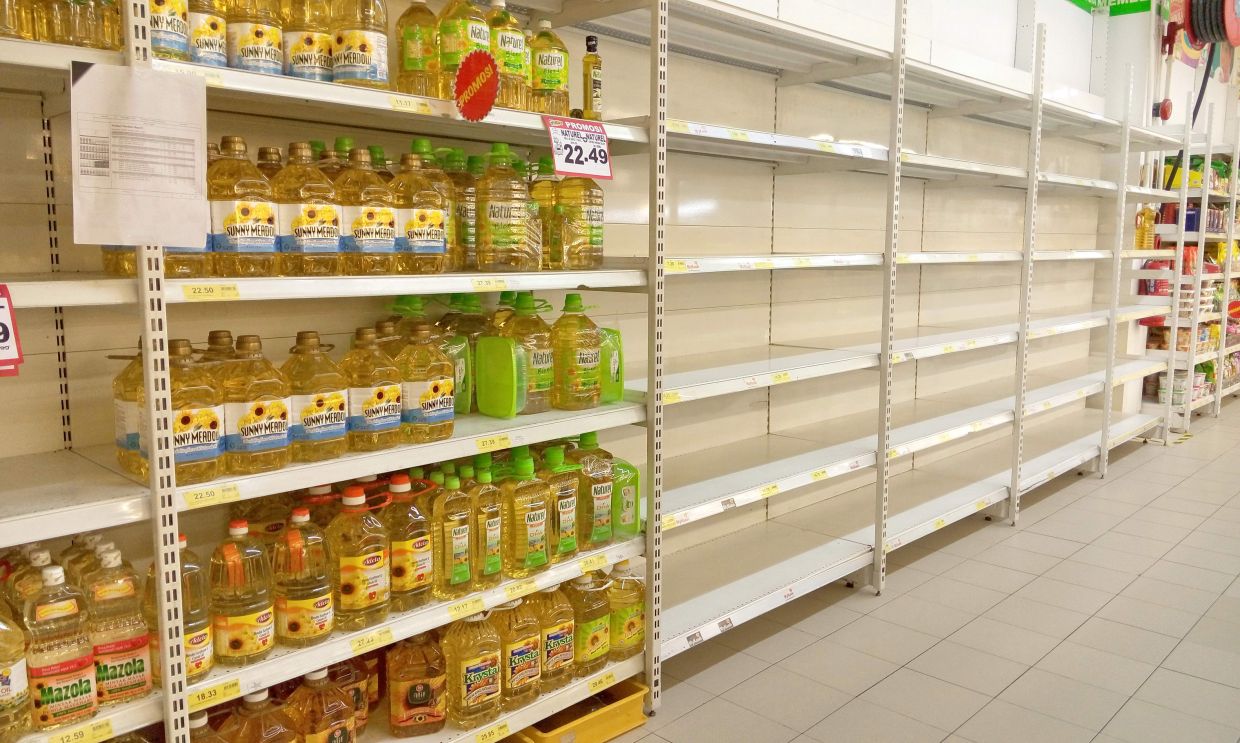
Malaysia's subsidy system has suffered a staggering blow with the Public Accounts Committee's disclosure that RM10.879 billion allocated for cooking oil assistance failed to reach households between 2019 and February 2025. The finding represents far more than a budgetary miscalculation—it signals a breakdown in the government's capacity to manage one of its most crucial consumer protection programmes during a period when Malaysians faced severe cooking oil shortages and soaring prices at the retail level.
The scope of the loss demands careful examination. Over approximately six years, more than RM10 billion intended to subsidise this essential commodity simply evaporated from the system. During the same period, Malaysian consumers experienced recurring scenes of empty supermarket shelves, panic buying, and volatile market prices that contradicted the government's assurances that subsidies were actively stabilising supply and affordability. This disconnect between budgetary allocation and on-ground reality suggests the problem extends beyond simple administrative oversight into questions of structural inadequacy.
Government officials have long championed the transition from blanket subsidies to targeted assistance programmes, arguing that this approach delivers aid more efficiently to those genuinely needing support while reducing wastage and market distortions. The stated logic is sound: means-tested subsidies can theoretically prevent wealthier citizens from benefiting unnecessarily while concentrating resources where need is greatest. However, the PAC's revelations undermine this narrative entirely. If the current system is genuinely more targeted and efficient than its predecessors, the mechanisms that allowed RM10.879 billion to leak away remain unidentified and unaddressed—a concerning position for a government claiming operational improvement.
Several potential explanations emerge from the available evidence, though none are individually sufficient to account for such massive leakage. Supply chain inefficiencies could have caused subsidised cooking oil to be diverted before reaching intended retailers or consumers. Weak enforcement mechanisms may have allowed distributors to exploit price differentials between subsidised and open-market supplies, selling regulated stock at uncontrolled prices. Poor coordination between the agencies responsible for subsidy disbursement, price monitoring, and retail enforcement could have created gaps that profiteers exploited. Additionally, inadequate market surveillance may have failed to detect and prevent speculative hoarding or parallel market activities that undermined subsidy effectiveness.
The timing of these losses deserves particular scrutiny. The 2019-2025 period encompassed the global pandemic, supply chain disruptions, geopolitical tensions affecting commodity markets, and domestic political transitions. While these factors created genuine challenges for subsidy management, they cannot absolve officials of accountability. Effective government requires that systems function precisely when external pressures mount. If subsidies cannot achieve their purpose during periods of genuine market stress—exactly when citizens most depend on them—then the system's fundamental design requires reassessment.
Accountability mechanisms appear conspicuously absent from the current policy framework. The PAC's findings naturally prompt citizens to ask which government officials, agencies, or contractors bear responsibility for these massive losses. Were procurement processes transparent and competitive? Did oversight bodies possess sufficient authority and resources to conduct real-time monitoring? Were underperforming agencies sanctioned, restructured, or held accountable? The absence of clear answers to these questions suggests accountability gaps as profound as the subsidy losses themselves.
For Malaysian policymakers and citizens alike, this situation presents several uncomfortable realities. First, a 600-billion-ringgit annual government budget cannot afford to lose billions in major spending programmes without consequences elsewhere—whether in healthcare, education, or infrastructure. Second, the PAC's findings validate long-standing concerns about government capacity to implement complex, multi-stakeholder programmes effectively. Third, consumers who endured cooking oil shortages and price volatility while subsidies supposedly flowed through the system have legitimate grounds for demanding systemic reform.
The implications extend beyond cooking oil policy. If subsidy management of this magnitude can fail so comprehensively, questions arise about oversight of other major government programmes. This incident should trigger urgent review of how Malaysia monitors and enforces its entire subsidy architecture, from fuel to basic foods to utilities. The current system's weaknesses could easily replicate in other sectors, multiplying the fiscal and social damage.
Moving forward, Malaysia requires more than recriminations and defensive explanations from officials. The government must conduct thorough diagnostics of where subsidies leaked—whether through supply chain breakdown, enforcement failure, or market manipulation—and implement structural corrections. This might involve technology-based tracking systems, real-time price monitoring, stronger enforcement authority, regular independent audits, and clearer institutional accountability frameworks. Additionally, future subsidy policy must be designed with explicit contingency mechanisms for periods of market stress, when citizens depend most on government support.
The RM10.879 billion loss represents not merely public funds misplaced, but a breach of the social contract between government and citizens. Malaysians accepted subsidy programmes as a legitimate use of public money based on the understanding that such programmes genuinely supported household affordability and food security. When those billions vanish while consumer hardship persists, faith in government's ability to serve its basic responsibilities diminishes accordingly. Restoring that faith requires more than acknowledging the PAC's findings—it demands transparent accountability and demonstrable reform.

