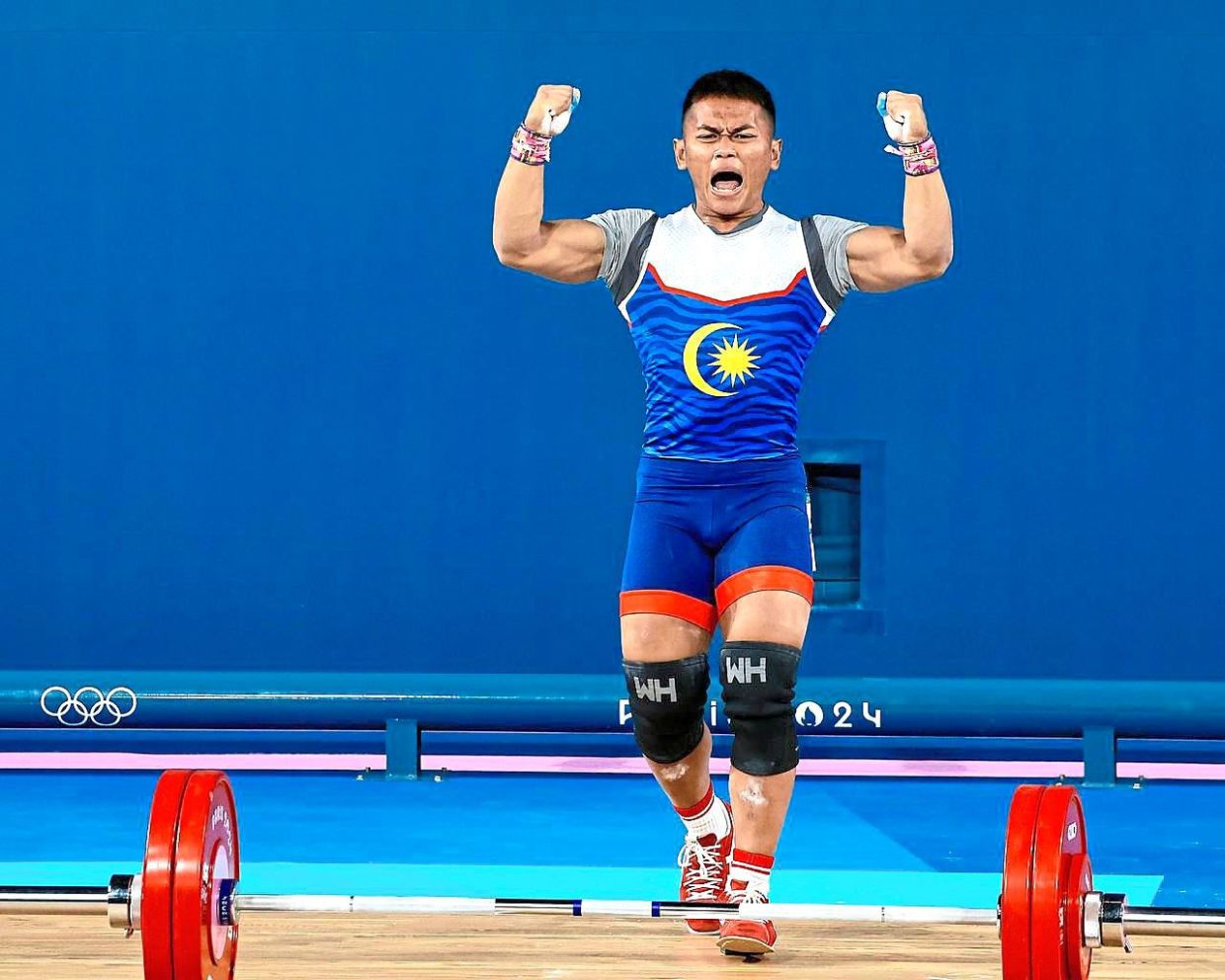
Malaysia's weightlifting contingent has become the unexpected darling of the nation's sporting establishment, triggering a significant financial commitment from the Youth and Sports Ministry in the wake of their commanding display at the Glasgow Commonwealth Games. The decision to channel an extra RM1 million towards the sport represents a substantial endorsement of the discipline's potential and reflects growing recognition that weightlifting deserves a place alongside more traditional medal-winning pursuits in Malaysia's competitive sports hierarchy.
The catalyst for this investment was the weightlifting squad's remarkable haul from Glasgow, where they emerged as Malaysia's most prolific medal contributors at the Games. Their tally of five gold medals, combined with one silver and one bronze, underscored the discipline's capacity to deliver consistent podium finishes on the international stage. By comparison, Malaysia's overall medal count from the Games—eight golds, three silvers and five bronzes—reveals just how disproportionately significant the weightlifting contingent's contribution was to the nation's Commonwealth Games campaign.
Minister Dr Mohd Taufiq Johari articulated the ministry's rationale for the increased allocation, explaining that the decision emerged from detailed deliberations with both the Malaysian Weightlifting Federation and the National Sports Council. These discussions centred on identifying structural gaps in the sport's development apparatus and determining where strategic intervention could yield the greatest returns. The focus on grassroots development signals a shift away from purely elite-level investment towards building a more sustainable pipeline of future champions, a lesson learned from similar initiatives in other sporting disciplines.
Beyond the immediate cash injection, the ministry has committed to substantial infrastructure improvements designed to establish weightlifting as a centre of sporting excellence. The Rompin weightlifting training centre, long a hub for athlete development, is earmarked for comprehensive upgrades that will position it as a dedicated Sports Centre of Excellence. This designation carries significant implications, typically unlocking access to enhanced equipment, improved training facilities, and the kind of scientific support infrastructure that can narrow the performance gap between Malaysian athletes and their international competitors.
The appointment of a full-time coach stationed permanently at Rompin constitutes another crucial component of the ministry's strategy, with particular emphasis placed on developing female weightlifters. The decision to prioritise women's weightlifting reflects both global trends in the sport and recognition that untapped talent among Malaysia's female athlete population could yield significant returns. This targeted approach addresses a historical imbalance in resource allocation and signifies a more sophisticated understanding of how gender-specific investment can unlock broader competitive potential.
The expansion of available positions within the NSC development programme, to be implemented following the conclusion of the ongoing Malaysia Games competition, creates additional pathways for emerging talent to access structured support. The explicit commitment to prioritise athletes demonstrating strong potential and meeting established selection criteria ensures that the expanded quota translates into meaningful opportunity rather than becoming a merely symbolic gesture. This measured approach balances the desire to nurture talent with the need to maintain performance standards.
For Southeast Asian readers assessing Malaysia's sporting trajectory, the weightlifting initiative carries wider significance. The decision illustrates how strong international performance can catalyse domestic policy shifts and unlock previously unavailable resources, a dynamic that extends beyond weightlifting itself. It suggests that the ministry possesses both the flexibility and the funding capacity to respond rapidly to demonstrated success, an approach that other Malaysian sporting disciplines may seek to emulate by achieving similar breakthrough performances.
The timing of this investment assumes particular importance within Malaysia's competitive sporting calendar. The nation's weightlifting programme now enters a phase of structured expansion precisely as athletes prepare for future Commonwealth Games and Olympic cycles. The combination of financial resources, infrastructure improvements, and enhanced coaching provision creates a genuinely supportive environment for sustained performance improvements. This represents exactly the kind of long-term, systematic approach required to convert one-off Commonwealth Games success into consistent international competitiveness.
Dr Taufiq's framing of these interventions as both recognition of past achievement and investment in future potential reflects a sophisticated understanding of sports development dynamics. Rather than treating the Glasgow medals as a terminal success story requiring only celebration, the ministry's approach positions them as validation of a pathway worth expanding and deepening. This perspective suggests confidence that the conditions which produced Glasgow's success—whether organisational, training-related, or talent-pool specific—remain relevant and reproducible in future competition cycles.
The broader sporting context matters considerably here. Malaysian sport faces chronic underfunding relative to competitors in the region, and strategic resource allocation becomes essential for maximising return on investment. Weightlifting's appeal lies partly in its relative cost-efficiency compared to sports requiring extensive facilities or large training cohorts. The discipline's demonstrated success therefore offers the ministry a compelling case study in smart sporting investment, potentially influencing resource distribution decisions across the national sporting system.
For athletes currently pursuing weightlifting careers in Malaysia, the announcement provides tangible validation of their discipline's status within the national sporting hierarchy. The prospect of training at an upgraded facility, under dedicated coaching staff, with enhanced pathways to official development programmes creates a materially different environment from what existed previously. These practical improvements translate into heightened expectations and expanded opportunities simultaneously.
The commitment to female athlete development deserves particular emphasis, as it addresses a historically underutilised resource base. Women's weightlifting globally has experienced significant growth and expanded competitive opportunities in recent years, with several nations now fielding formidable female contingents. Malaysia's decision to invest specifically in this area positions the nation to capitalise on a global trend while addressing domestic gender equity concerns within sports development.
Ultimately, Malaysia's weightlifting boost exemplifies how sustained international success can reshape domestic sporting priorities and unlock financial commitments. The RM1 million allocation, facility upgrades, dedicated coaching appointment, and expanded development quota collectively represent a meaningful shift in the sport's institutional positioning. Whether this investment translates into sustained medal success will become clear only over the coming Olympic and Commonwealth Games cycles, but the ministry has unquestionably signalled serious intent to support weightlifting's continued ascent.

