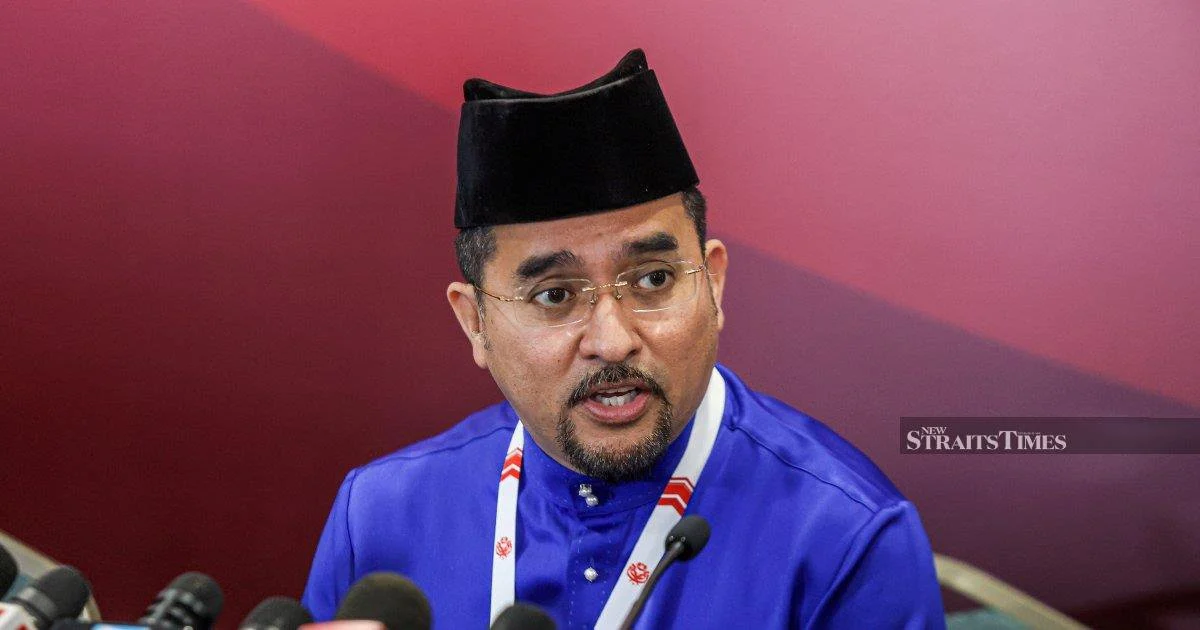
The Barisan Nasional coalition's postponement in naming its slate of candidates for the Johor election stemmed from an exhaustive evaluation system implemented to maintain standards, according to Umno secretary-general Datuk Dr Asyraf Wajdi Dusuki. The stringent procedural requirements that candidates had to satisfy became a determining factor in how the announcement timeline unfolded, he explained, signalling that thoroughness took precedence over speed in the candidate selection process.
This explanation carries significance for understanding how Malaysia's dominant political coalition operates during electoral preparation. The BN framework, which encompasses Umno alongside component parties such as MCA and MIC, must balance competing pressures: the need to demonstrate unity through timely announcements, against the imperative to present candidates of proven calibre and integrity. In Johor specifically, where Umno traditionally wields considerable influence over state politics, the extended vetting period reflected the coalition's commitment to a rigorous evaluation protocol rather than a hastily assembled ticket.
The vetting process likely involved multiple stages of assessment, examining factors including candidates' track records in public service, their standing within party structures, potential legal or ethical concerns, and their viability in specific constituencies. For a state election of Johor's political importance, such diligence becomes essential. The state remains a crucial power base for Umno and carries substantial implications for peninsular Malaysian politics, making the quality of the BN slate a matter requiring careful consideration rather than expedited decision-making.
Delays in candidate announcements have historically created uncertainty within party ranks and testing periods for coalition cohesion. Members and component parties await confirmation of who will represent their interests, and prolonged delays can generate internal tensions, speculation about factional maneuvering, or concerns about the selection criteria being employed. By publicly framing the postponement as evidence of robust vetting, Datuk Dr Asyraf Wajdi Dusuki sought to recast a potentially negative narrative—that the coalition was unprepared or divided—into a positive one suggesting institutional discipline and standards.
The Malaysian electorate and political observers have become increasingly attentive to the credibility and competence of candidates fielded by major coalitions. In recent years, various election cycles have seen heightened public scrutiny of candidates' qualifications, prior conduct, and alignment with voter expectations. A coalition that can credibly claim to have implemented thorough evaluation mechanisms may gain advantage by projecting an image of responsibility and selectivity, particularly among voters concerned about rising standards in public representation.
For the BN itself, the extended timeline also provided opportunity for internal negotiation among constituent parties regarding seat allocations and candidate selection. Such coalitions require careful balancing of interests among their members, with each party staking claims to particular constituencies or legislative seats. The additional time afforded by the delayed announcement potentially allowed for more comprehensive discussion and agreement-making, reducing the likelihood of disputes emerging later during campaigning or immediately before polling.
Johor's electoral significance cannot be understated in the broader Malaysian political context. As the second-largest state by population and a longstanding Umno stronghold, the election results there reverberate across the peninsula. A strong BN performance strengthens the coalition's national position, while any setback invites questions about its continued dominance. Against this backdrop, the decision to extend vetting procedures reflects recognition that fielding a robust slate of candidates represents an investment in electoral performance rather than an unnecessary complication.
From a voter perspective, protracted candidate selection processes sometimes generate frustration or concerns about exclusivity. Opposition parties or independent observers might argue that lengthy vetting excludes fresh voices or unduly privileges establishment figures. However, supporters of rigorous evaluation procedures contend that such processes protect voters from poor-quality candidates and help ensure representatives meet minimum competency thresholds. This tension between inclusivity and standards remains a recurring theme in Malaysian electoral politics.
The explanation provided by Umno's leadership also reflects broader questions about how political institutions demonstrate legitimacy and accountability. When delays occur, political parties face a choice: either offer transparent justification for the postponement, or risk accusations of disorganisation or internal conflict. By attributing the delay to stringent vetting, BN leadership communicated that the coalition maintained operational discipline and values substance over expediency—a message calculated to reassure both internal stakeholders and the broader electorate.
Looking forward, the rigour of the vetting process would ultimately be judged by the quality of the candidates presented and their performance during the campaign and, should they be elected, in office. A thorough selection process only justifies the time investment if it produces candidates demonstrating superior capability, integrity, and constituent responsiveness. The coming Johor election will test whether the extended deliberation period translated into tangible advantages for the BN slate in terms of public reception and electoral outcomes.