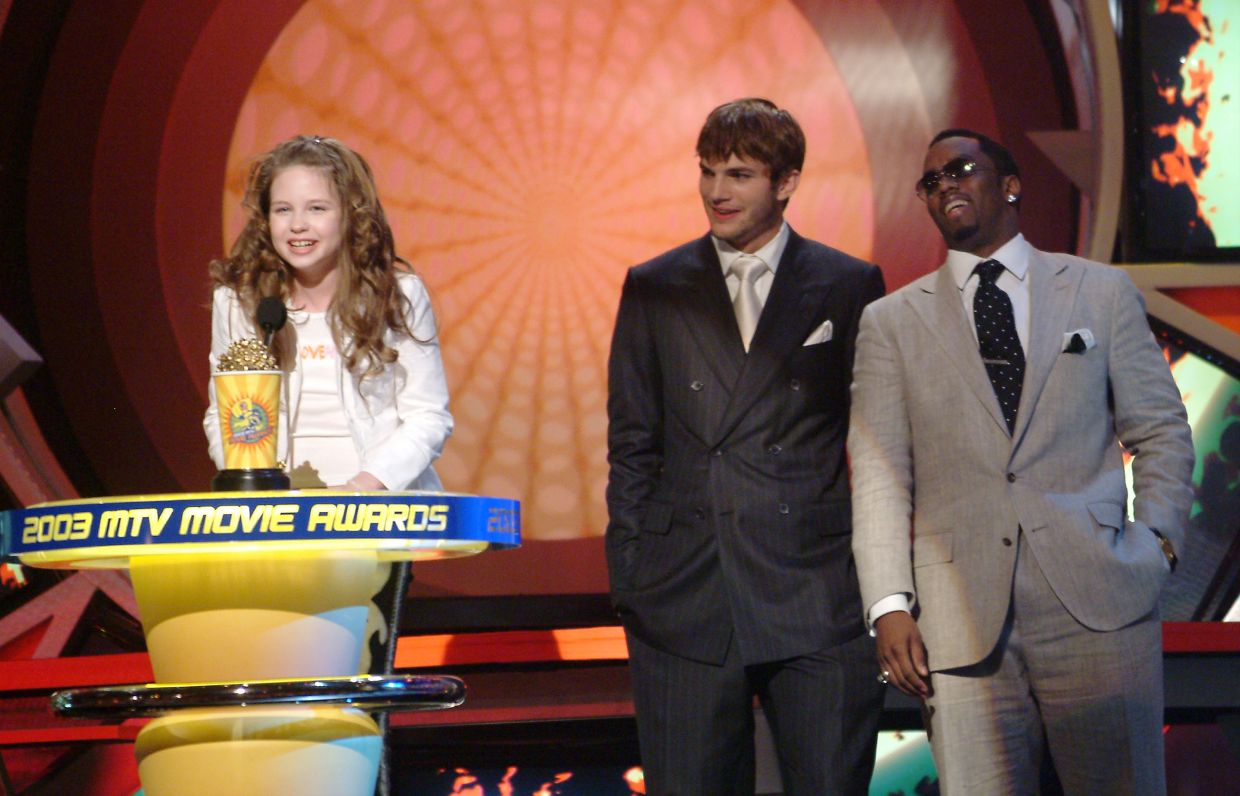
A decades-old video clip featuring Sean "Diddy" Combs inviting preteen actress Daveigh Chase to an after-party has renewed public scrutiny of the disgraced music mogul in the wake of the young performer's death and his recent criminal conviction. The footage, which emerged from the 2003 MTV Awards ceremony, captures a moment that has taken on far darker connotations given the allegations and evidence presented during Combs' federal trial and subsequent sentencing.
Chase, who became widely recognised for her haunting performance as supernatural villain Samara Morgan in the horror film "The Ring", passed away on June 16 at a Los Angeles hospital at the age of 35. Her father, John Schwallier, disclosed that she died following complications from bacterial meningitis and a blood infection, compounded by severe malnutrition. The circumstances surrounding her final years paint a troubling picture of an individual whose early promise in entertainment ultimately gave way to struggles with substance addiction and homelessness near the hospital where she succumbed to her illnesses.
At the time of the 2003 MTV Awards, Chase was just 12 years old when she received the Best Villain award for her role in the acclaimed thriller. Following her presentation by actor Ashton Kutcher and Combs himself, the music executive approached the young actress with a drink in hand and asked whether she planned to attend the after-party. Chase's affirmative response prompted an enthusiastic reaction from Combs, while Kutcher appeared to laugh off the exchange. What might have seemed innocuous at the time has now become the subject of intense scrutiny and disturbing reinterpretation.
The resurfacing of this footage comes as Combs faces the fallout from a sprawling criminal investigation that has fundamentally reshaped public perception of his legendary career in hip-hop and entertainment. Federal agents arrested the 55-year-old at New York's Park Hyatt Hotel in Midtown Manhattan in September 2024, initiating a legal process that would ultimately expose an extensive pattern of alleged sexual exploitation. The investigation revealed details of what prosecutors termed "freak-off" parties—elaborate, substance-fuelled events that reportedly spanned multiple days and frequently involved sex workers and non-consensual participants.
The scale of the allegations against Combs became apparent as the federal trial progressed through 2024 and into 2025. In July 2025, a New York jury found him guilty on two counts of transportation to engage in prostitution, marking a significant conviction in a landmark federal sex trafficking case. The guilty verdict vindicated prosecutors who presented extensive evidence of systematic coercion and exploitation spanning decades. Shortly thereafter, sentencing authorities imposed a 50-month prison sentence, reflecting the seriousness of his crimes.
Combs is currently detained at FCI Fort Dix, a federal correctional facility in New Jersey, where he is serving his sentence away from public view. However, his legal troubles extend far beyond the criminal conviction. The music producer faces more than 100 civil lawsuits from individuals alleging various forms of misconduct, assault, and exploitation. These civil cases encompass allegations from former associates, employees, and alleged victims seeking financial damages and justice through the civil courts system.
The emergence of the MTV Awards clip takes on particular significance within the broader context of how society now understands grooming behaviour and the vulnerability of child entertainers. The footage showcases a powerful adult in the entertainment industry making direct social overtures to a child performer in a professional setting, a dynamic that contemporary awareness of predatory patterns has rendered deeply uncomfortable. While the 2003 moment itself may not constitute illegal conduct, it has become emblematic of the casual access powerful men in entertainment once enjoyed to young performers, often with minimal oversight or institutional protection.
For Malaysian audiences and regional observers, the Combs case represents a cautionary examination of celebrity power dynamics and systemic failures in the entertainment industry globally. The music executive's downfall has prompted widespread reckonings across Hollywood and the international music business regarding accountability, institutional safeguarding, and the mechanisms that historically enabled powerful figures to exploit others with relative impunity. The criminal conviction and ongoing civil litigation establish precedent for how such cases are prosecuted and adjudicated in contemporary America.
Chase's tragic death adds an additional layer of complexity to the public reckoning with Combs' legacy. While there is no evidence suggesting any direct connection between her appearance at industry events and her subsequent struggles, her trajectory from celebrated child actor to vulnerable street-involved individual reflects broader systemic inadequacies in protecting young performers. The child entertainment industry across regions, including Southeast Asia, faces ongoing questions about duty of care, psychological support systems, and safeguarding protocols.
The resurfaced video serves as a historical document of an earlier era in entertainment when such interactions between powerful adults and child performers went largely unquestioned and unremarked upon publicly. Contemporary sensibilities, shaped by increased awareness of exploitation patterns and institutional accountability failures, now interpret such footage through a fundamentally different lens. The clip has become symbolic shorthand for what critics describe as the permissive culture that allegedly enabled Combs to operate for decades with relatively limited consequences until the comprehensive federal investigation.
As Combs serves his prison sentence and civil litigation continues, the legal and cultural reckoning with his conduct will likely persist for years. The case demonstrates how criminal convictions, while significant, represent only one dimension of accountability for individuals who wielded substantial power and influence. The ongoing civil suits, media scrutiny, and public discourse ensure that his actions and their implications remain subject to sustained examination. For the entertainment industry globally, including Southeast Asia's expanding film and music sectors, the Combs case has catalysed important conversations about structural reforms needed to protect vulnerable individuals from exploitation.