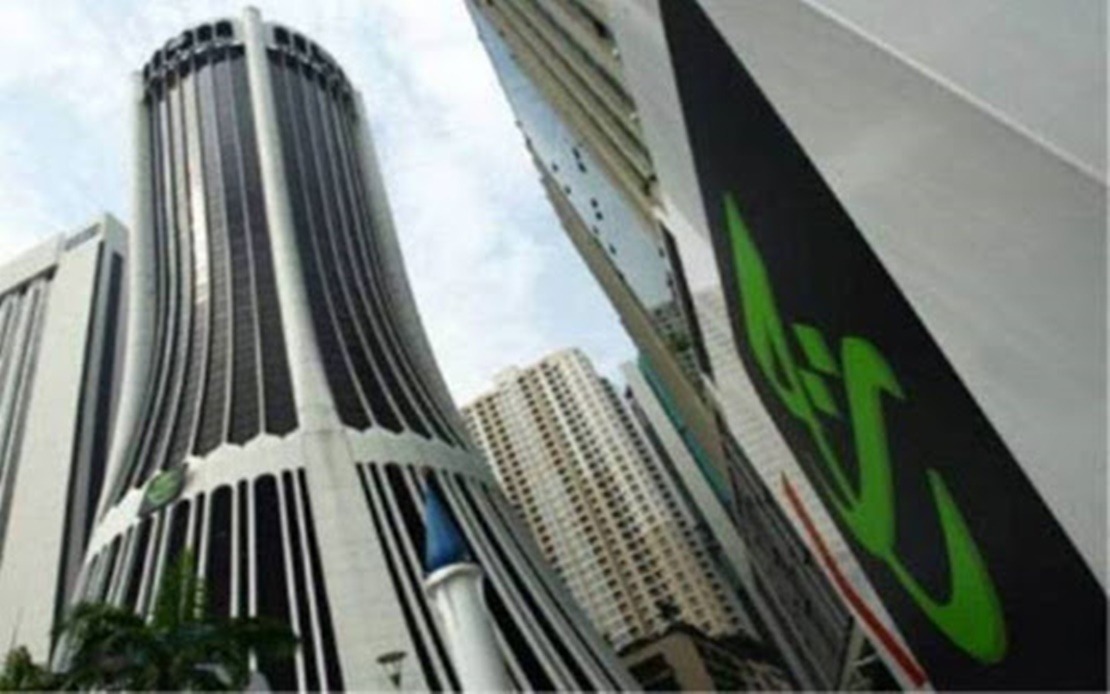
The Royal Commission of Inquiry's detailed examination of Tabung Haji has uncovered a troubling discrepancy in how the Islamic pilgrimage fund valued its substantial property portfolio during 2017. Of the RM4.6 billion total asset valuation that year, merely RM556 million—less than 12 percent—was supported by independent professional valuers' reports. The remaining RM4.044 billion rested entirely on internal management estimates, a methodology that leading Malaysian economists now warn creates unacceptable exposure to financial misrepresentation and imprudent decision-making.
The implications of this valuation approach extend well beyond accounting practice into the core governance structures that protect the interests of depositors and pilgrims. Prof Emeritus Dr Barjoyai Bardai of Malaysia University of Science and Technology has articulated the fundamental tension: when management bears direct responsibility for presenting the institution's financial performance, those same individuals cannot simultaneously be trusted as objective assessors of asset values. This creates what economists call a conflict of interest, where the incentive structure encourages optimism rather than conservatism. The professor emphasised that while this alone does not prove wrongdoing occurred, it systematically undermines the independence and reliability that financial markets demand.
At the heart of this concern lies the concept of Realisable Asset Value, or RAV, which functions as the foundation for determining how much Tabung Haji can distribute as hibah, or dividends, to its account holders. When properties are recorded at values higher than what could actually be achieved in a genuine market transaction, the institution's apparent financial strength becomes inflated. Subsequent distributions based on artificially elevated asset figures effectively distribute capital as if it were income, potentially eroding the fund's capacity to honour its obligations to depositors. Dr Barjoyai argued that this represents not merely a technical accounting matter but a fundamental threat to the institution's solvency and credibility.
The governance failures run deeper when examined through the lens of fiduciary responsibility. The board of directors and audit committee possess explicit duties to challenge management assumptions and demand rigorous evidence before accepting figures that drive major financial decisions. Prof Dr Ahmed Razman Abdul Latiff of Putra Business School stressed that material estimates with consequences as significant as determining hibah distributions merit multiple layers of independent review. When such estimates bypass these safeguards, the organisation reveals concerning gaps in its control environment, gaps that should have triggered warnings from internal and external auditors far earlier than the RCI investigation ultimately revealed.
The governance breaches gain additional severity from the specific legal framework governing Tabung Haji. Section 22 of the Tabung Haji Act 1995 establishes minimum standards that the fund must maintain to fulfil its mandate to Malaysian Muslim pilgrims. The RAV calculations directly determine whether the institution meets these statutory requirements, making asset valuation not an internal accounting matter but a question of regulatory compliance. When these critical figures rest on management estimates lacking independent verification, the institution fails to provide the transparency and certainty that legislation demands. The depositors and potential pilgrims who entrust their savings to this government-linked institution cannot assess whether management is adhering to the law.
Examination of the underlying asset composition reveals further complexities that amplified the risks of management-only valuations. The RCI report identified that RM2.294 billion attributed to TH Plantations Berhad formed part of the property asset valuation, yet plantation assets present particular valuation challenges that demand specialist expertise and market evidence. Management estimates for such assets, without supporting professional valuations or clear reference to comparable market transactions, cannot provide adequate assurance to stakeholders. The absence of rigorous valuation methodology for such substantial holdings suggests systemic weaknesses in how Tabung Haji managed financial governance across its diverse asset base.
A further dimension of concern emerges from how Tabung Haji calculated distributions relative to its reported financial position. The institution did not rely upon asset values as disclosed in standard financial statements, but instead employed the elevated RAV figures. This selective approach created a disconnect between the values presented to regulators and auditors through formal financial reporting and the values used internally for distribution decisions. When an organisation operates two distinct valuation frameworks—one for public reporting and another for internal decisions—it raises fundamental questions about institutional integrity and the reliability of management's judgment across all financial matters.
The role of professional auditors in this arrangement demands scrutiny. PricewaterhouseCoopers' audit reports, which the RCI cited, noted that RAV calculations relied on management estimates rather than market prices or professional valuations. That external auditors accepted this approach without apparent reservations raises questions about whether audit procedures adequately tested the reasonableness of estimates or whether auditors defaulted to accepting management's assertions. Prof Razman specifically questioned why concerns about Tabung Haji's financial position and distribution practices had not generated greater investigative focus during earlier audits. This gap between audit findings and subsequent RCI revelations suggests either that auditors did not apply sufficient professional scepticism or that their concerns were not escalated to governance bodies with authority to demand remediation.
Management's defence—that Section 22 of the Act did not clearly define assets and therefore permitted discretionary valuation approaches—represents a troubling interpretation of regulatory ambiguity. In financial governance, when statutory language appears unclear, the presumption should favour conservative, transparent practices that can withstand scrutiny. Instead, Tabung Haji's leadership interpreted ambiguity as licence to employ internal estimates unsupported by market evidence. This interpretive approach shifted the burden of proof, effectively requiring regulators and auditors to prove that management estimates were incorrect rather than requiring management to prove they were justified. Such an inversion of governance responsibility indicates institutional culture misaligned with fiduciary principles.
Rectifying these governance weaknesses demands structural reforms that address both methodology and oversight. Prof Barjoyai recommended that high-value properties, particularly those materially affecting distribution capacity, must undergo independent professional valuations employing consistent standards and anchored to verifiable market evidence. Beyond mere valuation, RAV calculations should operate under explicit governance standards, with figures subject to independent audit and verification by specialised committees comprising investment experts and qualified accountants. These reforms would restore the independence and credibility that management-only estimates cannot provide.
For Malaysian depositors and prospective pilgrims, these RCI findings carry immediate practical significance. The governance gaps revealed suggest that previous hibah distributions may have exceeded prudent levels sustainable from actual asset values. Prospective participants must now demand that Tabung Haji demonstrate through transparent reporting that current and future distributions reflect genuine asset capacity rather than inflated valuations. The RCI's work has effectively signalled that relying on management assertions without independent verification places individual savings at systematic risk.
The broader implications extend to Malaysia's institutional framework for overseeing government-linked funds managing public assets and individual savings. Tabung Haji's experience demonstrates that statutory ambiguity, weak audit practices, and inadequate board oversight can create conditions enabling systematic overstatement of financial position. As Malaysia develops regulatory frameworks for Islamic finance and pilgrimage administration, policymakers should examine whether existing legislation adequately constrains management discretion in asset valuation. The RCI report effectively documents the cost of governance frameworks that permit interpretation rather than mandate transparency.

