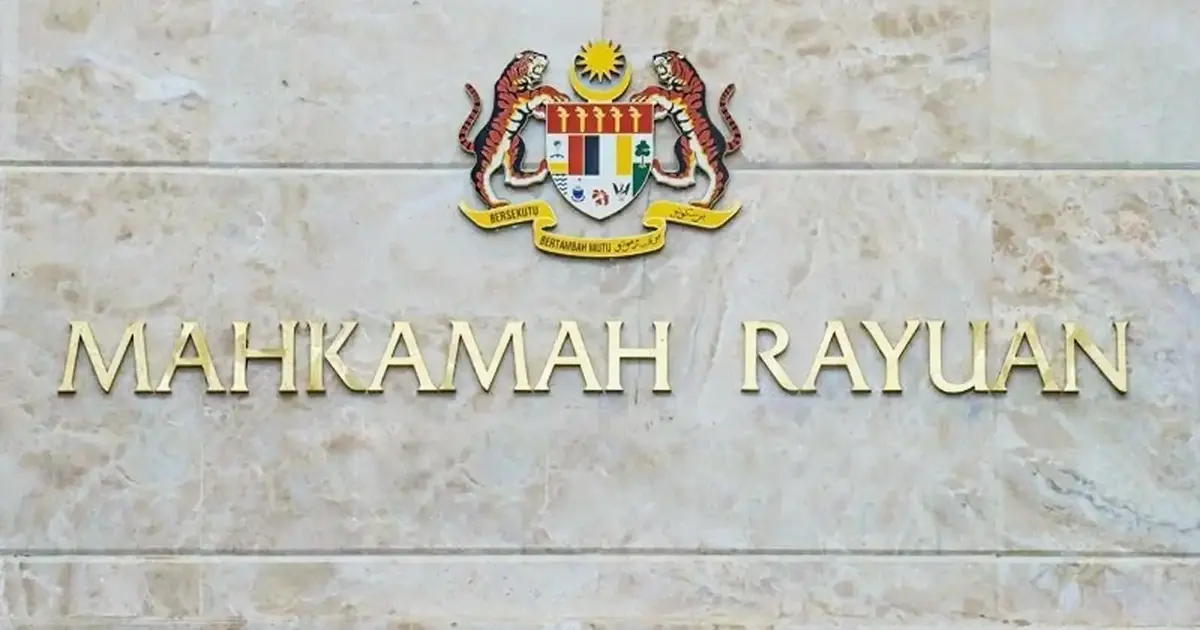
The Malaysian Court of Appeal has delivered a significant ruling on the legal standing of registered societies, determining that organisations operating under this status cannot initiate defamation proceedings. The court dismissed an appeal by Pertubuhan Ikram Malaysia, establishing an important precedent about the boundaries of legal recourse available to registered organisations in the country.
At the heart of this decision lies a fundamental principle of Malaysian law concerning legal personality. The court's determination rests on the premise that registered societies, despite their formal registration status, do not possess the legal capacity necessary to be recognised as distinct legal entities capable of asserting rights independently. This distinction proves crucial in defamation law, where the plaintiff must demonstrate a concrete interest that has suffered harm through the publication of damaging statements.
The implications of this ruling extend beyond the immediate case involving Pertubuhan Ikram Malaysia. Registered societies represent a significant portion of civil society organisations in Malaysia, encompassing everything from cultural associations and hobby clubs to advocacy groups and community organisations. These entities operate across the country in various capacities, yet this judgment suggests they occupy a peculiar legal position where they can be subjected to public criticism without formal recourse through defamation actions.
Defamation law traditionally protects those whose reputations can be demonstrably harmed by false or misleading statements. For individuals, this protection flows naturally from their status as legal persons with rights and duties. For corporate entities, incorporated companies enjoy recognition as artificial legal persons with corresponding legal protections. The Court of Appeal's reasoning suggests that registered societies fall outside these categories, lacking the institutional framework that confers legal personality under Malaysian law.
This development raises important questions about the adequacy of legal protection for organised groups in Malaysia's civil society landscape. Many registered societies engage in public advocacy, community mobilisation, and issue-based campaigns that inevitably invite public scrutiny and commentary. Without the ability to pursue defamation claims, these organisations face potential reputational harm with limited formal legal remedies available.
The distinction between registered societies and incorporated associations carries practical consequences that merit consideration. While some organisations might pursue alternative remedies or rely on regulatory mechanisms, the inability to access defamation proceedings represents a meaningful gap in legal recourse. This asymmetry could be particularly felt by smaller organisations lacking the resources or profile to respond effectively to reputational attacks through other channels.
From a comparative perspective, other Commonwealth jurisdictions have grappled with similar questions about extending defamation protection to unincorporated associations and registered organisations. The approaches vary significantly, reflecting different policy balances between protecting organisational interests and preserving open debate on matters affecting public discourse. Malaysia's approach, as articulated in this ruling, clearly privileges the latter consideration.
The Court of Appeal's decision also reflects established jurisprudence that distinguishes between the legal capacity to hold property and other assets, which registered societies clearly possess under Malaysian law, and the broader attributes of legal personality required to maintain certain categories of legal action. This nuance demonstrates that registration alone does not automatically confer all incidents of legal personality.
For organisations operating as registered societies, this judgment necessitates a recalibration of expectations regarding legal remedies for reputational harm. Boards and leadership of such organisations must now consider alternative strategies, including pursuing complaints through regulatory bodies, engaging in public relations responses, or in some cases exploring whether particular circumstances might warrant different legal characterisations of the offending statements.
The implications also extend to journalists, commentators, and media organisations covering issues related to registered societies. While defamation law still protects individuals associated with these organisations in their personal capacities, the societies themselves cannot mount collective claims. This creates a clearer space for criticism directed at organisational policies, activities, and positions without fear of defamation liability directed at the organisation itself.
This ruling underscores the importance of proper corporate structuring for organisations prioritising legal protections. Those seeking comprehensive defamation remedies alongside other legal capacities might need to consider formal incorporation as companies rather than registration as societies, assuming their constitutive purposes permit such an arrangement.
The Court of Appeal's decision represents a settled statement of law in Malaysia regarding the legal boundaries of registered societies. While it may disappoint those hoping for broader protections, it provides clarity and certainty about the legal framework within which these organisations must operate. As Malaysian civil society continues to evolve and engage with increasingly complex issues, understanding these legal distinctions remains essential for both organisational planning and public discourse.