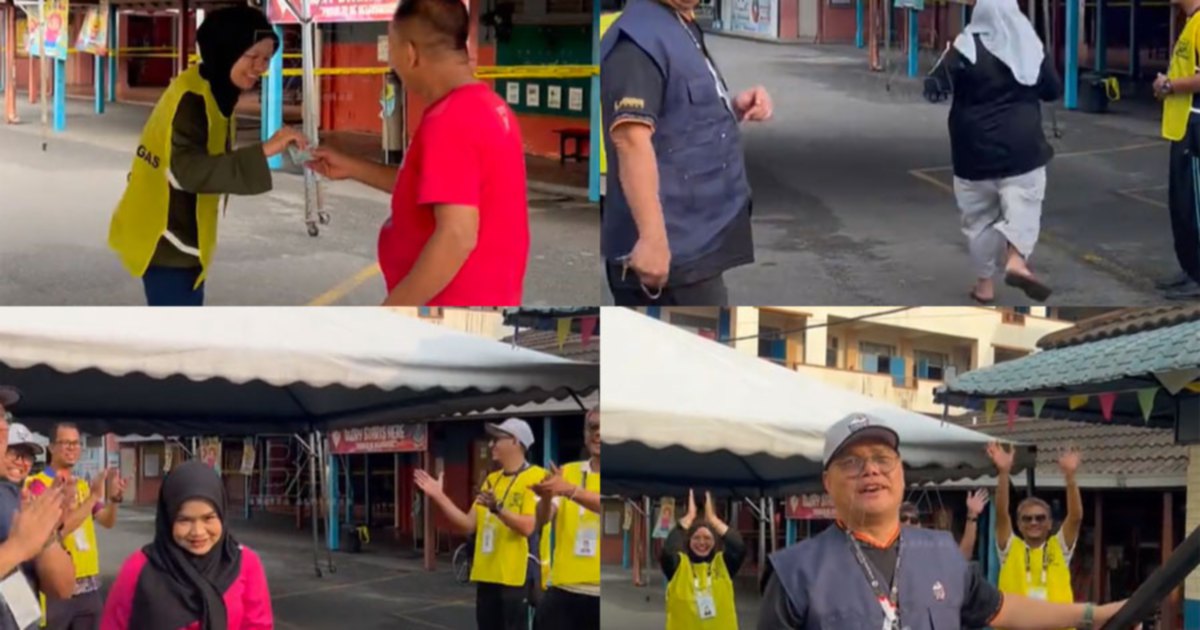
Kuala Lumpur residents and social media users across Malaysia have been captivated by a trending video that documented the last-minute rush of voters in the Negri Sembilan state election, highlighting the urgency and determination displayed by citizens keen to exercise their democratic rights before polling stations closed for the day.
The footage, which rapidly gained traction on various online platforms, presents a compelling snapshot of electoral participation at its most dramatic moment. As the clock approached 6pm, the deadline for casting votes, numerous individuals could be seen moving swiftly through polling centres, some jogging or hurrying to reach the ballot boxes in time. The scenes underscore the genuine commitment many Malaysians maintain towards their civic duties, despite the various challenges and time constraints they face in their daily lives.
The viral nature of the clip reflects broader patterns in how Malaysians engage with electoral content on social media. Rather than remaining confined to news bulletins or official statements, eyewitness accounts and candid footage from voting days have become increasingly influential in shaping public discourse around elections. This democratisation of election-related storytelling allows for more intimate and human-centred narratives about the voting process, moving beyond statistics and procedural announcements to capture the emotional and practical dimensions of democratic participation.
State elections in Malaysia traditionally draw significant public interest, particularly in peninsular states where regional governance directly impacts local development, service delivery, and resource allocation. The Negri Sembilan electoral process carries particular weight given the state's position as a moderate-sized economy with distinct interests in areas such as agriculture, light manufacturing, and urban infrastructure development. Voter turnout and engagement levels in such elections often serve as important indicators of public confidence in the electoral system and satisfaction with incumbent administrations.
The final hours of polling day consistently witness elevated activity levels as individuals make last-minute efforts to vote. Working professionals who could not attend earlier in the day, students completing their academic schedules, and rural voters completing their daily routines all converge on polling stations as evening approaches. The infrastructure and staffing arrangements at these locations are tested during these peak periods, with electoral commission personnel managing queues and processing voters with varying degrees of efficiency depending on location-specific factors.
Viral electoral content serves multiple functions within the Malaysian media ecosystem. Beyond providing entertainment value, such videos can stimulate conversations about voter accessibility, the adequacy of polling location infrastructure, and the effectiveness of voting procedures. They also contribute to normalising the act of voting itself, particularly among younger demographics who may encounter election-related content primarily through social media rather than traditional news channels. For many Gen Z and millennial voters, these organic, unpolished recordings feel more authentic and relatable than formal institutional messaging.
The 6pm polling closure time reflects longstanding Malaysian electoral practice, though it occasionally generates discussion about whether earlier or later closing times might accommodate different working schedules and lifestyles. Countries worldwide employ varying polling hours, balancing accessibility against operational requirements and cost considerations. In Malaysia's context, the standard timing has persisted through multiple election cycles, though advocates occasionally propose modifications to enhance participation rates, particularly among shift workers and rural voters with substantial travel distances to polling centres.
Social media amplification of voting-related content raises important questions about the intersection of electoral conduct and digital public space. While most such videos document genuine civic engagement, electoral authorities maintain protocols regarding what activities and documentation are permissible within polling stations and their surroundings. Balancing citizens' rights to capture and share their electoral experiences against the need to maintain polling station integrity and confidentiality remains an ongoing consideration for election management bodies across the region.
The enthusiasm captured in the viral clip resonates particularly strongly given broader concerns in many democracies about voter apathy and declining participation. Malaysia's relatively consistent turnout rates compared to some established democracies suggest strong foundational commitment to electoral processes, though engagement levels fluctuate based on local issues, campaign intensity, and public confidence in electoral integrity. The Negri Sembilan footage serves as a reminder that beneath aggregate statistics lie countless individual stories of citizens prioritising their democratic voice despite competing time pressures and personal obligations.
For observers tracking Malaysian electoral trends and civic participation patterns, such organic documentation of voting behaviour provides valuable supplementary evidence alongside official electoral data. The readiness of citizens to race against the clock to vote, as captured in the widely-shared video, underscores that despite Malaysia's diverse socioeconomic circumstances, many voters view their ballots as sufficiently meaningful to merit prioritisation even under time-constrained circumstances. This grassroots commitment to electoral participation, when authentically documented and widely circulated, can itself inspire and reinforce participation in future voting opportunities across the country.

