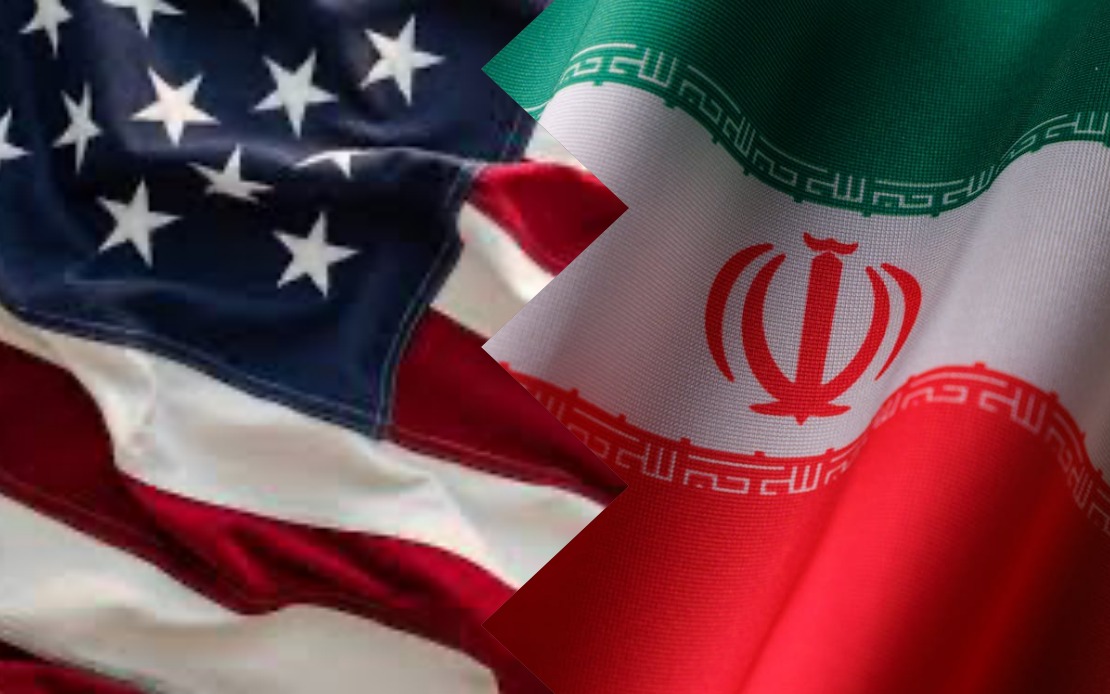
Diplomatic efforts between the United States and Iran have yielded encouraging results after fresh rounds of indirect negotiations held in the Qatari capital, with both regional and international mediators characterising the exchange as constructive. Qatar's Foreign Ministry spokesman Majed Al Ansari revealed on Wednesday that delegations from Washington and Tehran completed a series of separate meetings in Doha, marking what officials describe as meaningful advancement on matters tied to previous agreements and understandings between the two adversaries.
The mediation framework involving Qatar and Pakistan reflects the continued reliance on Gulf state intermediaries to manage communication between Washington and Tehran, a dynamic that has defined diplomatic initiatives across the past decade. Rather than direct talks—which remain politically sensitive for both capitals—the shuttle diplomacy model allows each side to maintain its negotiating position while exploring common ground through trusted interlocutors. This approach has become the de facto mechanism for reducing tensions in a relationship marked by decades of confrontation, economic sanctions, and military posturing.
At the heart of these discussions lies the Islamabad Memorandum of Understanding, a framework agreement that emerged from previous negotiations aimed at establishing understandings on critical issues. The specifics of what progress transpired remain deliberately vague in official statements, a typical feature of sensitive diplomacy where premature disclosure could complicate ongoing negotiations or invite domestic political opposition from hardliners in either country. However, the fact that both sides agreed to continue discussions signals neither party views the current trajectory as a dead-end, despite the volatile regional environment and historical mistrust.
The timing of the talks reflects broader geopolitical complexities in the Middle East, particularly given the aftermath of Iranian leadership changes. The former Iranian Supreme Leader Ali Khamenei was killed in a military strike on February 28, an event that significantly altered Tehran's political landscape and international standing. His funeral processions, scheduled for Friday, underscore the sensitivity surrounding Iran's internal transition and the international implications of how various actors respond to the leadership succession. The negotiating teams have acknowledged this delicate moment by agreeing to pause formal discussions out of respect for the mourning period.
For regional observers, including Southeast Asian policymakers monitoring Middle Eastern stability, these developments carry distinct implications. The continuation of US-Iran dialogue, even in indirect form, serves as a stabilising mechanism that could influence oil markets, regional security alliances, and broader geopolitical alignments affecting trade routes vital to Asian economies. Malaysia and other ASEAN nations maintain significant commercial and energy interests throughout the Gulf region, making diplomatic progress between Washington and Tehran relevant to regional economic stability and the functioning of global supply chains.
The Lake Lucerne Summit referenced in the Qatari statement had previously established parameters for constructive engagement between the two powers, suggesting a trajectory toward institutionalising communication channels regardless of the intensity of bilateral tensions at any given moment. Building on those outcomes demonstrates incremental progress that, while unglamorous, represents the painstaking work of diplomacy in navigating profound strategic divergences. The commitment to schedule subsequent meetings at the earliest opportunity signals both delegations view continued dialogue as preferable to escalation or withdrawal from engagement.
Qatar's role as mediator positions the monarchy as an indispensable player in Middle Eastern diplomacy, complementing its earlier efforts as lead negotiator in various regional disputes and its hosting of international forums. Pakistan's involvement alongside Qatar reflects Islamabad's strategic interests in preventing destabilisation across the Arabian Peninsula and its historical role as a bridge between various international and Islamic constituencies. The dual-mediator approach distributes responsibility and potentially increases the legitimacy of any emerging agreements across different constituencies.
For Malaysia and the broader Southeast Asian region, the success or failure of these mediation efforts carries indirect but meaningful consequences. Sustained tensions between the US and Iran typically lead to elevated energy prices, disrupted shipping lanes, and reduced economic predictability—factors that ripple through regional supply chains and trading relationships. Conversely, meaningful dialogue and de-escalation create space for more stable energy markets and predictable geopolitical environments that benefit trading nations dependent on open seas and global commerce.
The decision to postpone further meetings during Iran's mourning period reflects diplomatic sensitivity and an understanding that meaningful negotiations require both sides to operate from positions of domestic political strength. Iranian negotiators will likely need to demonstrate to their domestic audience that they are not capitulating to international pressure, while American negotiators must navigate their own political constraints. These pauses, while potentially frustrating to those seeking rapid breakthroughs, often prove necessary for building the internal consensus required to implement any eventual agreements.
Looking ahead, the outcome of these discussions could influence broader regional dynamics affecting Southeast Asian interests. A stable or improving US-Iran relationship reduces risks of military confrontation, piracy, or disruptions to critical shipping routes through the Strait of Hormuz—passages through which much of global energy trade flows. Conversely, continued deterioration could accelerate military build-ups, proxy conflicts, and the kind of instability that forces regional powers like Malaysia to navigate increasingly fraught geopolitical terrain.
The next phase of negotiations will likely test whether the parties can move from vague references to progress toward substantive agreements on specific issues. The continued willingness to meet, despite challenging circumstances and recent leadership transitions in Iran, suggests neither side views engagement as futile, though the pace of advancement remains glacial by conventional diplomatic standards. For international observers and regional stakeholders, these talks represent one of the few mechanisms through which catastrophic misunderstandings between two powerful regional actors can be forestalled in an increasingly volatile Middle Eastern landscape.

