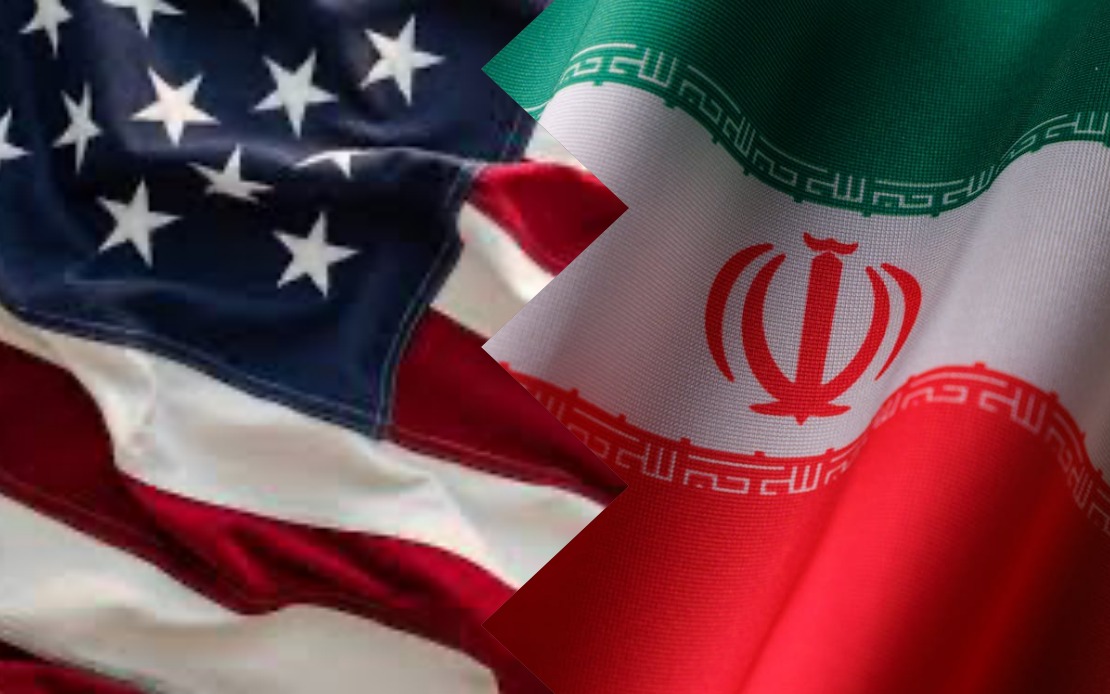
Qatar has moved to rally Gulf Cooperation Council members behind efforts to implement a US-Iran memorandum of understanding, reflecting deepening anxiety over renewed military confrontation in the region. Prime Minister and Foreign Minister Sheikh Mohammed bin Abdulrahman Al Thani conducted diplomatic outreach to counterparts in the United Arab Emirates, Saudi Arabia, Kuwait, Oman and Bahrain on Monday, focusing on how the bloc might collectively support the troubled peace framework.
The coordinated calls represent an attempt by Doha to position itself as a neutral mediator with influence across the Gulf. Qatar has long cultivated relationships with both Western powers and Iran, making it a potential broker in regional disputes. By reaching out simultaneously to five fellow Gulf states, Al Thani signalled that implementation of the accord requires unified action rather than fragmented national policies that could undermine the agreement's viability.
Central to Qatar's pitch is ensuring freedom of navigation through the Strait of Hormuz, one of the world's most strategically vital waterways through which roughly 20 per cent of global oil passes. The messaging underscores how Middle East instability carries direct economic consequences for Gulf exporters dependent on maintaining shipping lanes open and secure. Any escalation threatening maritime passage would damage the commercial interests of all six states Qatar contacted.
The diplomatic initiative arrives at a precarious moment for Middle East stability. A fragile ceasefire arrangement brokered by Pakistan collapsed last month after both Washington and Tehran conducted reciprocal military strikes over a nearly two-week period. The cycle demonstrated how quickly de-escalation agreements can unravel when underlying tensions remain unresolved and political leaders face domestic pressure to demonstrate strength.
Qatar's emphasis on dialogue and diplomacy reflects awareness that military solutions have repeatedly failed to produce sustainable outcomes in Middle Eastern conflicts. The messaging aligns with international consensus that only sustained diplomatic engagement offers hope for breaking destructive conflict cycles. By publicly endorsing negotiated settlements, Qatar positions itself within mainstream international opinion whilst maintaining channels to actors like Iran that other states treat with suspicion.
The broader context involves nearly a year of escalating Israeli and American military operations against Iranian targets and interests. Since February, when Washington and Tel Aviv launched operations that triggered Iranian retaliation across the region, the calculus of deterrence has grown increasingly unstable. Each cycle of strikes and counter-strikes risks triggering unintended escalation as military and political actors misread intentions or face pressures to respond proportionally or exceed previous thresholds.
For Southeast Asian readers, these Gulf tensions carry tangible implications through multiple channels. Malaysia and other ASEAN nations depend heavily on Middle East oil and gas supplies, making regional stability a direct national interest. Port facilities in Singapore and Malaysian waters handle enormous volumes of Gulf petroleum destined for Asia, creating vulnerability to any disruption of shipping through contested waterways. Economic growth across the region remains hostage to energy price volatility that Middle East conflicts inevitably trigger.
The US-Iran memorandum represents a partial achievement born from months of intermediary diplomacy. The April ceasefire and June agreement, facilitated by Pakistan's mediation, constitute the furthest concrete progress toward deconfliction that the two powers have achieved in recent years. Yet the recent breakdown illustrates that agreements establishing principles differ fundamentally from enforcement mechanisms that prevent violations or retaliation when breaches occur.
Qatar's current push gains significance because Gulf states themselves have become increasingly fragmented on Iran policy. Saudi Arabia and the UAE have pursued differing approaches toward Tehran, ranging from confrontation to selective engagement. Kuwait and Oman have maintained more neutral postures, whilst Bahrain aligns closely with Saudi strategy. Without coordinated positions, external actors attempting to manage regional tensions face a patchwork of contradictory incentives and red lines.
The memorandum Al Thani references includes provisions addressing military postures, maritime conduct, and mechanisms for rapid crisis communication. Implementing these requires not merely diplomatic agreement but sustained compliance by military establishments, intelligence agencies, and security forces on both sides. Qatar's calls to fellow Gulf states suggest recognition that unilateral implementation proves insufficient when security perceptions remain contested and trust remains low.
For the region's longer-term trajectory, Qatar's diplomatic activism indicates that even status quo powers concerned primarily with stability view current arrangements as unsustainable without active management. The petrodollar-rich Gulf states that benefit most from global order and energy market openness possess incentives to prevent conflicts that would jeopardise their commercial interests and security environments.
The success or failure of Qatar's coordination initiative will depend on whether other Gulf capitals prove willing to invest political capital in constraining actors they view as threatening. Early indications suggest receptiveness, though translating diplomatic statements into coordinated action across intelligence agencies and military establishments presents substantial challenges. The coming weeks will reveal whether Gulf coordination materialises or whether individual state interests ultimately prevail.

