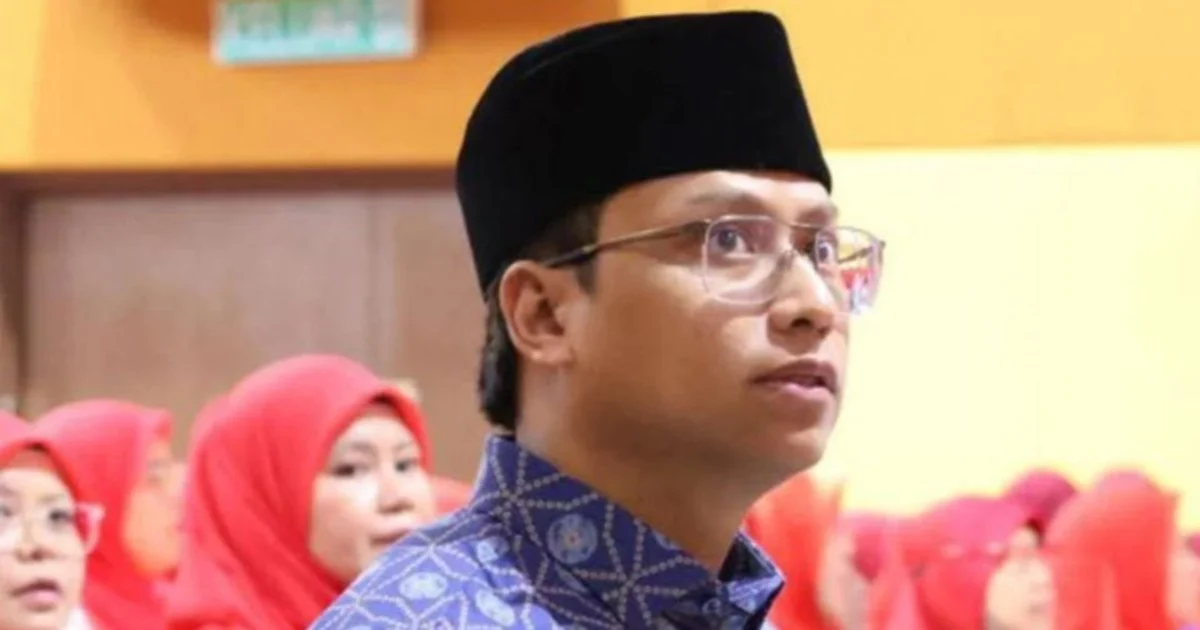
The son of former Umno Supreme Council member Datuk Dr Mohd Puad Zarkashi has stepped forward to defend his father's recent public statements regarding Umno's strategic direction, arguing that the remarks were motivated by genuine concern for the party's long-term viability and future electoral prospects. In remarks made in Kuala Lumpur, the younger Puad characterised his father's commentary as internally-focused counsel designed to preserve and strengthen Malaysia's oldest political institution during a period of considerable institutional flux.
Datuk Dr Mohd Puad Zarkashi, who held a senior position within Umno's leadership structure, has previously articulated concerns about the party's contemporary approach to governance and party management. His son's public defence suggests that family members view these interventions not as disloyalty or factional manoeuvring, but rather as principled advice rooted in historical perspective and institutional knowledge accumulated over decades of active participation in Malaysian politics. The younger Puad's statement represents an attempt to reframe the narrative surrounding his father's remarks within the broader discourse about Umno's institutional health and competitive positioning.
The timing of this defence carries particular significance within Malaysia's current political landscape, where Umno occupies a complex position bridging traditional Malay-Muslim constituencies with centrist governance responsibilities. The party has navigated significant internal tensions and external political pressures in recent years, including leadership transitions, judicial proceedings involving senior party figures, and questions about its relevance within a shifting electoral demographic. Against this backdrop, Puad's son's intervention suggests that his father's remarks should be interpreted as responses to these structural challenges rather than opportunistic positioning.
In Malaysian political discourse, critical commentary emanating from within established parties often generates substantial debate about appropriate bounds of internal dissent versus external criticism. The distinction between constructive internal dialogue and damaging public disputes remains contentious, particularly when former or current senior figures engage in public commentary about party direction. Puad's son appears to be arguing that temporal distance and historical hindsight will eventually validate his father's analytical perspective on the issues he has raised regarding Umno's institutional trajectory and strategic choices.
The defence also implicitly addresses a broader concern within Umno circles: whether senior figures speaking critically about party matters undermine collective leadership or contribute meaningfully to institutional course-correction. By invoking the notion that history will ultimately judge the validity of his father's positions, the younger Puad suggests that contemporary criticism of his father's remarks may be premature, and that the substantive merit of the concerns raised will become clearer over time. This temporal argument is particularly significant in Malaysian politics, where institutional narratives frequently shift as immediate political pressures yield to longer-term analytical assessments.
The relationship between Umno's traditional base and its contemporary policy orientation remains contested terrain within the party itself. Datuk Dr Mohd Puad Zarkashi's remarks apparently touch upon this fundamental tension, examining whether current party directions adequately serve the constituencies and principles that established Umno's historical dominance. His son's defence indicates that the family views these observations as legitimate contributions to ongoing internal deliberation about the party's future, rather than as personal grievances or factional challenges to incumbent leadership.
For Malaysian observers tracking Umno's institutional dynamics, this intergenerational defence carries broader implications about how senior party figures navigate the space between loyal solidarity and honest assessment. The Puad family's public positioning suggests they view institutional critique as compatible with party loyalty, provided such commentary stems from genuine concern for institutional welfare. This framing carries resonance in a Malaysian political context where many influential figures maintain that rigorous internal accountability strengthens rather than weakens established parties.
The invocation of historical judgment as validating framework deserves particular attention. Rather than defending his father's remarks on their immediate political merit, the younger Puad essentially postpones definitive evaluation, suggesting that current political actors lack sufficient perspective to properly assess the value of his father's contributions to internal party dialogue. This argumentative strategy reflects a characteristic feature of Malaysian political discourse: the appeal to longer-term institutional narratives that transcend immediate factional interests or electoral cycles.
Umno's ongoing evolution as a political institution will likely determine whether Datuk Dr Mohd Puad Zarkashi's recorded concerns about party direction appear prescient or misguided. The party's response to its current challenges—addressing internal cohesion, adapting to demographic shifts, and reasserting relevance within Malaysia's competitive political environment—will gradually clarify whether his observations resonated with genuine institutional vulnerabilities or represented one senior figure's particular perspective on contestable party matters.
The son's defence ultimately reflects a conviction that measured internal criticism, grounded in accumulated institutional experience, constitutes a legitimate form of engagement within Malaysia's largest Malay-Muslim political party. As Umno navigates the coming years, the substantive accuracy of Datuk Dr Mohd Puad Zarkashi's observations about party trajectory will become increasingly evident, potentially vindicating his son's confidence in history's eventual judgment.

