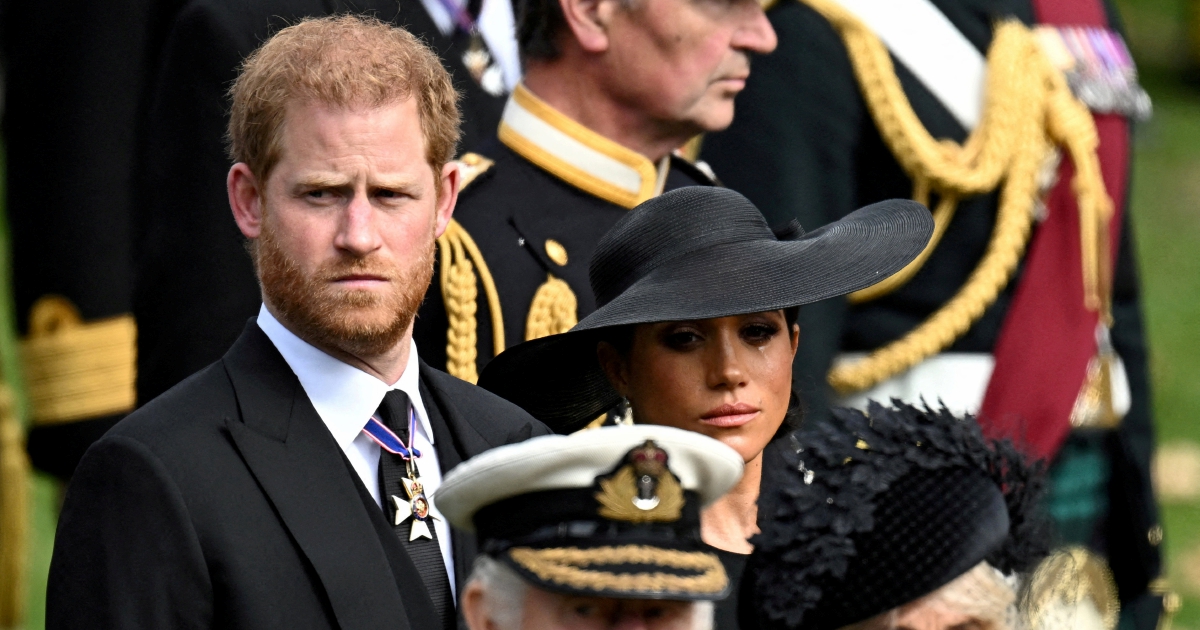
Prince Harry and musician Elton John are among several prominent figures now facing millions of pounds in legal bills following a British court judgment that found their privacy lawsuits against the Daily Mail publisher were pursued in an unreasonable manner. The ruling represents a significant setback for the claimants, who must now contribute substantially toward the media company's legal defence costs—a financial burden that extends well beyond the original litigation expenses.
The case centres on alleged privacy violations and reporting practices by the Daily Mail, a major British tabloid publication. However, the judge's decision focused less on the substance of the privacy claims themselves and more on the procedural conduct of the claimants throughout the legal process. This distinction is important: the court was not necessarily endorsing the Daily Mail's behaviour, but rather criticising how the claimants pursued their grievance through the legal system.
In the British civil litigation system, the general principle holds that the losing party bears responsibility for the winner's legal costs. This is a fundamental difference from some other jurisdictions, including the United States, where each side typically covers its own expenses. The adverse costs ruling therefore creates a genuine financial penalty for the claimants beyond the loss of their case itself. For wealthy individuals like Prince Harry and Elton John, these costs remain substantial nonetheless, and the principle carries broader implications for other potential litigants considering privacy claims.
Prince Harry has been involved in multiple legal disputes with British media outlets over the past several years, reflecting his long-standing conflict with sections of the press. His father, King Charles III, and his mother, the late Princess Diana, also experienced highly publicized conflicts with tabloid journalism. Harry's various lawsuits and public statements have made him a prominent figure in contemporary debates about media accountability and privacy rights, particularly concerning the royal family and celebrities more broadly.
Elton John, who has also pursued legal action against various publications, joined this particular case as part of a collective effort. His involvement underscores how privacy concerns transcend any single public figure or industry—musicians, actors, politicians, and members of the royal family all face similar pressures from invasive reporting and privacy breaches. The collective nature of the litigation suggested that the claimants believed strength in numbers would advance their case, though this strategy ultimately proved unsuccessful.
The judge's criticism of the claimants' conduct during proceedings raises questions about litigation strategy and proportionality in privacy cases. Courts often consider whether a party has pursued claims efficiently, whether procedural rules were followed appropriately, and whether the scale of litigation matched the issues at stake. If the judge found that the claimants pursued their case in ways that were excessive or failed to follow proper procedures, this could indicate either aggressive legal tactics or insufficient coordination among a large group of claimants with separate interests.
This judgment carries implications for media regulation in the United Kingdom, where tabloid practices remain controversial. While self-regulation through the Independent Press Standards Organisation (IPSO) exists, many critics argue it lacks sufficient teeth. Privacy cases therefore represent one mechanism through which public figures attempt to hold media outlets accountable through the courts. A ruling that makes such litigation more financially risky for claimants could have a chilling effect on future privacy lawsuits, particularly from individuals without substantial personal wealth.
For Malaysian readers and the broader Southeast Asian context, this case illustrates the complex legal landscape surrounding media freedom and privacy rights in democratic societies. Malaysia's media environment operates under different regulatory frameworks, including the Malaysian Communications and Multimedia Act and the Printing Presses and Publications Act. While these laws provide some privacy protections, the approach differs markedly from European legal traditions. The British judgment demonstrates how courts in common-law jurisdictions weigh competing interests between press freedom and individual privacy, and how procedural matters can significantly influence litigation outcomes.
The financial consequences of this ruling may also influence the behaviour of claimants in future cases. Individuals considering privacy litigation must now weigh the potential costs more carefully, knowing that even with a strong underlying case, procedural missteps could result in paying the defendant's legal bills. This creates a practical barrier to litigation that particularly affects individuals of modest means, while those with substantial resources can more easily absorb such costs.
The Daily Mail's publisher secured this costs judgment not by successfully defending all aspects of the privacy claims, but by convincing the court that the claimants' procedural approach was flawed. This distinction matters: it means the judgment does not necessarily validate the newspaper's editorial practices or establish that no privacy violations occurred. Rather, it reflects specific legal judgments about how the litigation was conducted.
Looking forward, the case may influence how media companies and prominent individuals approach similar disputes. Publishers may become more confident in contesting privacy cases, knowing that procedural challenges can be effective. Conversely, claimants may pursue such litigation more cautiously, potentially coordinating better among multiple parties or settling disputes outside court. The judgment ultimately underscores how litigation strategy, procedural compliance, and cost considerations interact in high-profile privacy disputes.

