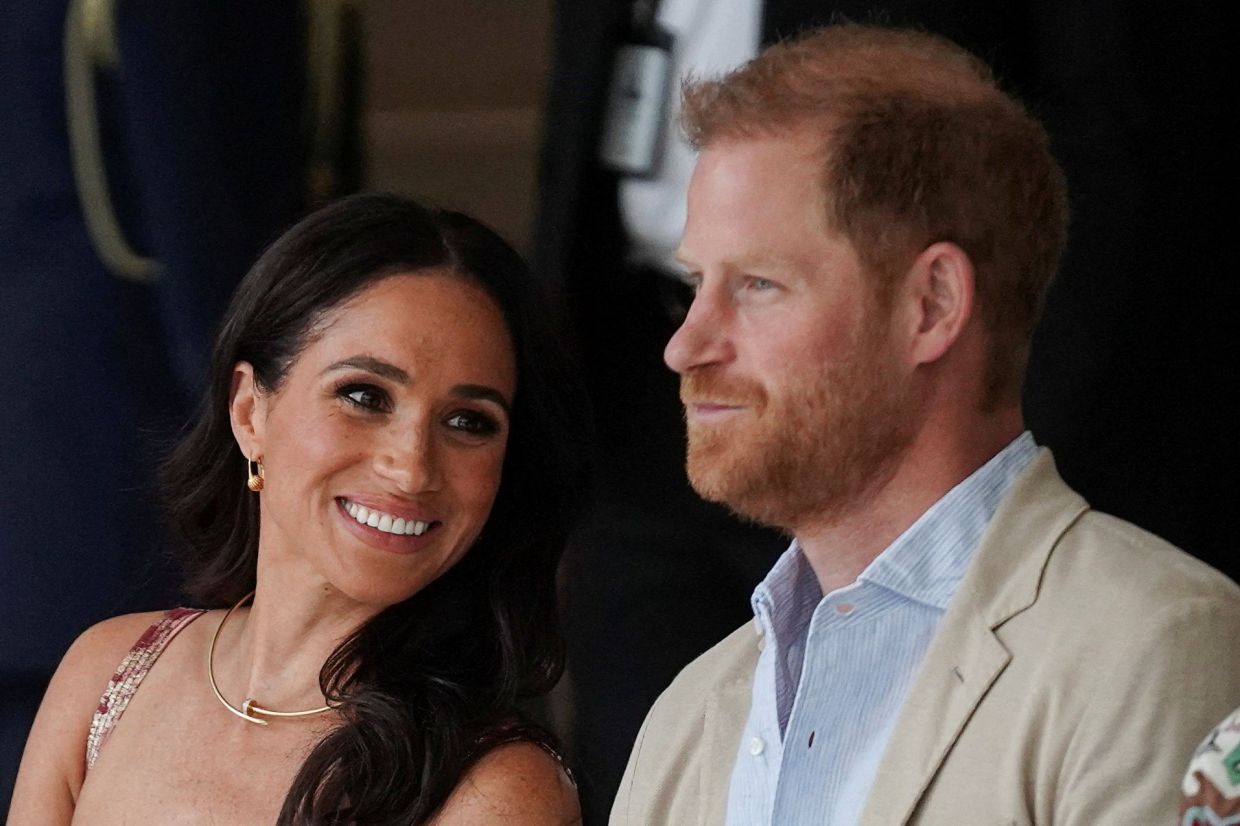
Prince Harry and Meghan have made the significant decision to relocate to the United Kingdom with their family, British media reported, though the move signals no intention to resume their former positions within the royal household. Their two children, Prince Archie and Princess Lilibet, have already secured places at British schools and are scheduled to begin classes in September, marking a substantial shift after more than six years of residence in California.
The couple's departure from royal life in 2017 was motivated by a desire to pursue independent commercial ventures, leading to lucrative media deals with Netflix and Spotify that have provided the financial foundation for their lifestyle away from palace constraints. Their California home in Montecito, an exclusive enclave in Southern California, became the base for building their media brand and business interests outside the formal structures of the monarchy. The decision to return to Britain now, without reclaiming formal royal responsibilities, represents a pragmatic middle ground between their desire for independence and their recognition of the value of maintaining connections to their homeland.
The relocation appears partly driven by Harry's evolving relationship with his father, King Charles III, who is currently undergoing treatment for an undisclosed cancer. Harry has publicly expressed his desire for family reconciliation, acknowledging in a recent BBC interview that he wishes to repair fractured relationships while his father remains alive. The prince's candid comment—"I don't know how much longer my father has"—underscores the urgency behind his efforts to rebuild family bonds that deteriorated significantly during the couple's years away from Britain.
Charles was informed of the couple's relocation plans only last Sunday, notably after their recent visit to the United Kingdom. During that visit last month, Harry and Meghan brought their children to spend time with the king at his Highgrove estate in western England, representing a tentative thaw in relationships that had frozen considerably since their departure. For Archie and Lilibet, this marked their first encounter with their grandfather since attending the late Queen Elizabeth II's platinum jubilee celebrations in 2022, an interval of nearly two years.
The pathway to this reconciliation has been complicated by years of escalating tensions within the royal family, fueled by candid media interviews and Harry's memoir in which he detailed grievances regarding his upbringing and his relationship with his brother, Prince William. These public revelations further strained the already tense atmosphere, transforming private family disputes into matters of international public discourse. The emotional toll of these disputes, combined with Harry's ongoing struggles, has apparently motivated a recalibration of his priorities.
A significant contributing factor to Harry's desire for reconciliation stems from his prolonged legal battles with British tabloid newspapers, which he alleges engaged in systematic phone hacking and privacy invasion during his youth. These lawsuits have proven costly and damaging, with recent court rulings finding Harry and other plaintiffs liable for Associated Newspapers' legal fees, a bill totalling £34.5 million in costs. The financial and emotional drain of these legal proceedings appears to have shifted Harry's perspective on what matters most to him and his family.
Additionally, Harry has been engaged in a separate dispute with the British government regarding police protection for himself and his family during visits to the United Kingdom. The prince contends that royal family members warrant armed security regardless of their working status, a position that has been repeatedly rejected in court. After losing this legal struggle last year, Harry gradually adjusted his stance, suggesting that rebuilding family relationships had become more important than continuing confrontational positions with official institutions.
For Malaysian and Southeast Asian observers, this family drama carries broader significance in demonstrating how even the world's most prominent institutions must eventually prioritize reconciliation over prolonged conflict. The willingness of both Harry and King Charles to move toward resolution, despite years of public acrimony, illustrates a fundamental human truth that transcends cultural boundaries: family relationships ultimately matter more than maintaining entrenched positions. The return to the UK also reflects the enduring pull of heritage and belonging, even for those who have built successful lives elsewhere.
However, significant challenges remain to this reconciliation project. Prince William, the heir to the throne, has shown no signs of warming toward his brother, and royal correspondent Peter Hunt suggested that William would find the announcement deeply troubling, potentially making reconciliation between the brothers significantly more difficult than between Harry and Charles. The physical proximity created by the family's UK residence may force uncomfortable encounters and complicate William's position as he prepares for future kingship in an era of unprecedented royal family discord.
Buckingham Palace has declined to comment on the arrangements, maintaining its traditional stance of not discussing the affairs of non-working members of the royal family. Similarly, representatives for Harry and Meghan have offered no official statement, allowing speculation and analysis to fill the information vacuum. This silence suggests official discomfort with the situation, even as it acknowledges the reality of the couple's plans.
The relocation also raises practical questions about how Harry and Meghan will manage their media business interests from a British base while maintaining American operations and employment agreements. The move implies a geographic rebalancing of their priorities, with the family's wellbeing and connection to heritage apparently taking precedence over the convenience of California residence. Whether this arrangement proves temporary or represents a permanent shift remains unclear, but the enrollment of their children in British schools suggests a commitment extending at least through their secondary education years.
Ultimately, this development represents neither a complete capitulation to royal expectations nor a triumph of Harry and Meghan's independence narrative, but rather a negotiated compromise reflecting the complex realities of modern family life, even at the highest social levels. The success of this arrangement may well determine whether the next chapter of the royal family's history features gradual healing or continued fragmentation.

