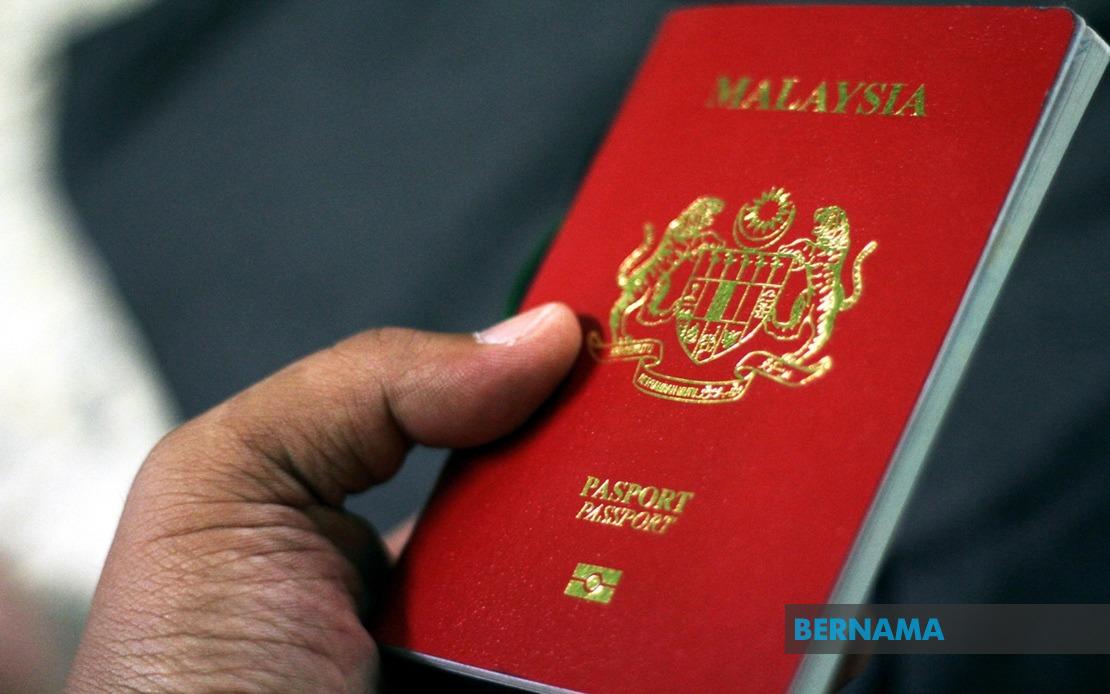
Prime Minister Datuk Seri Anwar Ibrahim will unveil Malaysia's next-generation international passport tomorrow at the Parliament lobby, introducing a travel document fortified with 94 security features designed to combat document fraud and counterfeiting. The launch comes as part of a broader government initiative to maintain Malaysia's standing as a custodian of robust identity documentation while strengthening protections against increasingly sophisticated forgery techniques.
The new passport represents a substantial upgrade from its predecessor, which incorporates only 49 security features. This doubling of protective mechanisms reflects a deliberate strategy by the Malaysian government to address emerging threats in document security, particularly as criminals worldwide develop more advanced methods of passport manipulation and unauthorized replication. The expanded feature set transforms the travel document into a significantly more difficult target for forgers, thereby protecting both the integrity of Malaysian travel documents and the security of Malaysian citizens abroad.
Among the security enhancements integrated into the redesigned passport are holographic elements that shift appearance when viewed from different angles, a feature that has become standard in leading passports worldwide. The document incorporates ultraviolet printing technologies, which render hidden images and patterns visible only under specialized lighting—a technique that makes casual inspection insufficient for verification purposes. The design also features concealed visual elements distributed throughout the booklet, requiring trained officials to locate and authenticate them during border control procedures.
Beyond surface-level innovations, the new passport incorporates specialized forensic security features accessible only to designated immigration and security personnel. These advanced elements enable rapid authentication and help identify fraudulent documents that may have passed preliminary checks. The binding thread that holds the passport booklet together has been engineered with enhanced security properties, making it extremely difficult to separate pages without leaving visible evidence of tampering. Additionally, each page within the booklet has been given a unique design layout, preventing criminals from simply photocopying or reproducing individual pages to create convincing forgeries.
The security enhancements announced tomorrow align with an earlier declaration by Home Minister Datuk Seri Saifuddin Nasution Ismail, who indicated in early 2025 that Malaysia would introduce comprehensively redesigned travel documents and MyKad identity cards. This coordinated approach to upgrading national identification systems reflects a government-wide commitment to strengthening data security infrastructure and protecting citizens' personal information from unauthorized access or misuse. The rollout of enhanced documents signals Malaysia's determination to remain at the forefront of biometric and security technology adoption among nations.
International recognition of Malaysia's document security efforts is evident in the Passport Index rankings, which assessed the Malaysian International Passport as the world's third most powerful in 2025. This ranking considers not only the security features embedded in the document itself but also the visa-free or visa-on-arrival access that Malaysian passport holders enjoy globally. The third-place ranking places Malaysia alongside other nations with robust travel privileges and sophisticated identity protection systems, enhancing the prestige and practical utility of Malaysian passports in international travel and commerce.
For Malaysian citizens, the introduction of these enhanced passports carries significant practical implications. Travelers will benefit from greater acceptance at immigration checkpoints worldwide, as upgraded security features reduce the likelihood of documents being questioned or subjected to extended verification procedures. The strengthened authentication capabilities also protect passport holders from identity theft, as the advanced forensic features make it nearly impossible for criminals to create convincing duplicates that would survive scrutiny from trained border officials. This added layer of protection becomes increasingly valuable as international travel volumes continue to rise and digital identity crimes proliferate.
From a regional perspective, Malaysia's investment in passport security technology positions the nation as a security-conscious member of the Southeast Asian community. Neighboring countries may view the upgrade as a model for their own document security modernization efforts, potentially spurring a regional advancement in immigration document standards. This technological leadership could enhance Malaysia's reputation as a nation committed to facilitating legitimate international travel while maintaining rigorous security protocols that protect both its citizens and the integrity of its borders.
The timing of the launch, coinciding with ongoing global discussions about travel document standardization and biometric integration, demonstrates Malaysia's alignment with international best practices. Immigration authorities and border security agencies worldwide increasingly adopt similar security innovations, creating an ecosystem where Malaysian passports integrate seamlessly with recognition systems used by other nations. The compatibility of Malaysia's new security features with international standards ensures that the enhanced protection benefits Malaysian travelers across all jurisdictions, from developed nations with advanced scanning technology to developing countries with established verification protocols.
Government officials have framed the passport redesign not merely as a technical upgrade but as evidence of their commitment to protecting citizen data and maintaining public trust in national identity systems. The comprehensive nature of the security enhancements—encompassing visible deterrents, hidden elements, and forensic features—reflects a multi-layered approach to document security that addresses various counterfeiting techniques. By introducing nearly double the number of security features compared to the current passport, Malaysia sends a clear message that it views document security as a non-negotiable priority in an era of sophisticated identity fraud and international travel concerns.

