Prime Minister Datuk Seri Anwar Ibrahim is expected to be discharged from hospital today, concluding a brief treatment period for a surgical condition. According to his wife, Datuk Seri Dr Wan Azizah Wan Ismail, the Prime Minister has responded well to medical care and is ready to resume normal duties. The announcement comes just days after Anwar underwent a planned surgical intervention on Monday to address a health matter that required specialist attention.
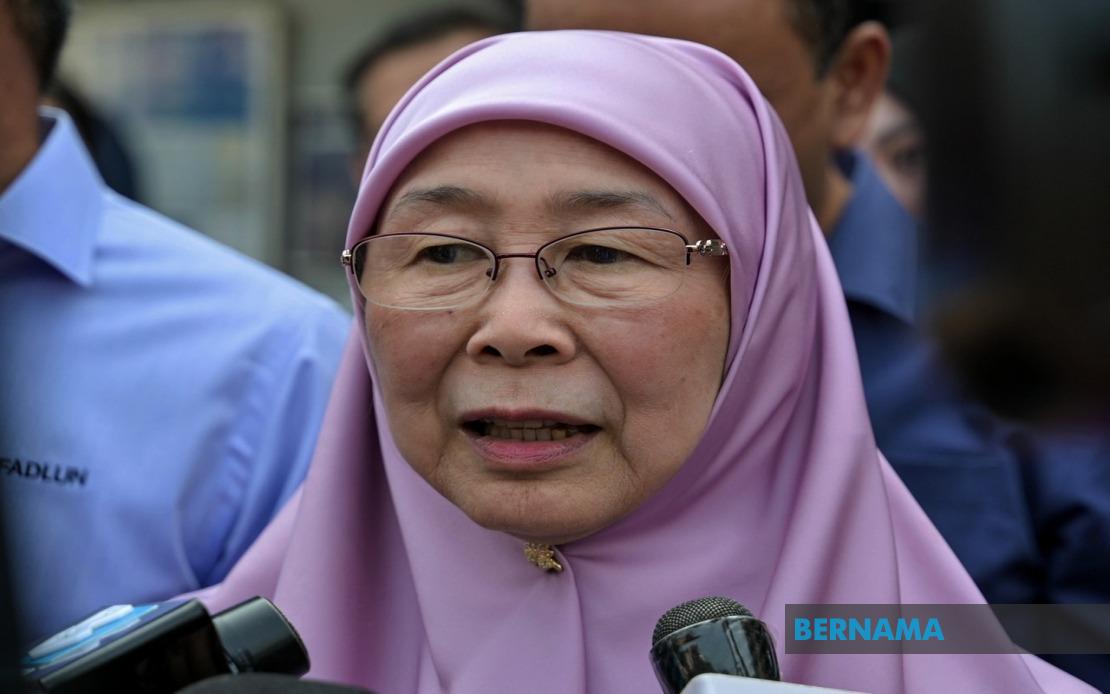
Datuk Seri Dr Wan Azizah made the disclosure while attending the Semarak Merdeka programme, an event held at the Bandar Tun Razak branch of Kuala Lumpur City Hall as part of preparations for the 2026 National Month celebrations. Speaking to assembled reporters, she conveyed her husband's appreciation for the widespread public support and prayers offered during his hospitalisation. The Prime Minister, known formally as PMX within government circles, has asked that his thanks be extended to all those concerned for his welfare and recovery.
The surgical procedure undertaken on Monday was an elective laparoscopic operation designed to treat a para-umbilical hernia, a condition involving tissue protrusion near the navel area. Laparoscopic surgery, a minimally invasive technique, typically results in shorter recovery periods and reduced post-operative complications compared to traditional open surgery. The successful completion of this planned procedure and Anwar's steady progress have cleared the way for his early discharge, allowing him to return to his official responsibilities.
The timing of the Prime Minister's hospitalisation and recovery has minimal impact on government operations, given the elective nature of the surgery and the relatively brief nature of the treatment required. Such procedures, when performed on high-profile individuals, invariably attract public attention and generate concerns about the continuity of executive leadership. The straightforward announcement of Anwar's discharge signals confidence in his recuperation and suggests no complications have emerged following the surgical intervention.
Public figures undergoing medical treatment often face scrutiny regarding their fitness for duty and the extent to which health matters might affect governance. In this instance, the routine nature of the procedure and the absence of reported complications suggest minimal disruption to the Prime Minister's capacity to lead. The elective rather than emergency character of the surgery allowed for careful planning and optimal timing to minimise any impact on government functions.
The para-umbilical hernia is a relatively common condition in which internal tissues push through weakened abdominal muscles adjacent to the umbilicus. While often manageable with conservative approaches, surgical repair may be recommended when hernias cause discomfort, risk incarceration, or create cosmetic concerns. The decision to proceed with elective surgery reflects a proactive approach to personal health management, typical of public figures who maintain access to comprehensive medical facilities and specialist expertise.
Datuk Seri Dr Wan Azizah's role in communicating her husband's condition and recovery progress underscores the important function family members play in maintaining public confidence during medical events affecting national leaders. Her presence at community events whilst attending to matters relating to the Prime Minister's health demonstrates the capacity of government to maintain its engagement with citizens even during periods when the head of government requires medical attention. The balance between privacy and public information becomes particularly delicate when heads of state or government face health challenges.
The announcement reflects broader patterns in Malaysian political communications, where official spouses frequently serve as intermediaries between the Prime Minister and public or press on matters of personal significance. This approach allows for controlled dissemination of information whilst respecting individual privacy and medical confidentiality. The timing of the disclosure, made during a public event celebrating national pride, also demonstrates the government's confidence that the medical situation requires no extraordinary measures or extended interruption to normal governance.
For the wider Malaysian public and regional observers, the efficient handling of the Prime Minister's medical episode and swift return to duty sends a reassuring message about governmental stability. Regular transitions of prime ministers to temporary medical care, when handled transparently and concluded successfully, strengthen rather than undermine public confidence in institutional continuity. Anwar's anticipated discharge marks the conclusion of a routine chapter in his tenure, with minimal lasting implications for the government's policy agenda or international commitments.

