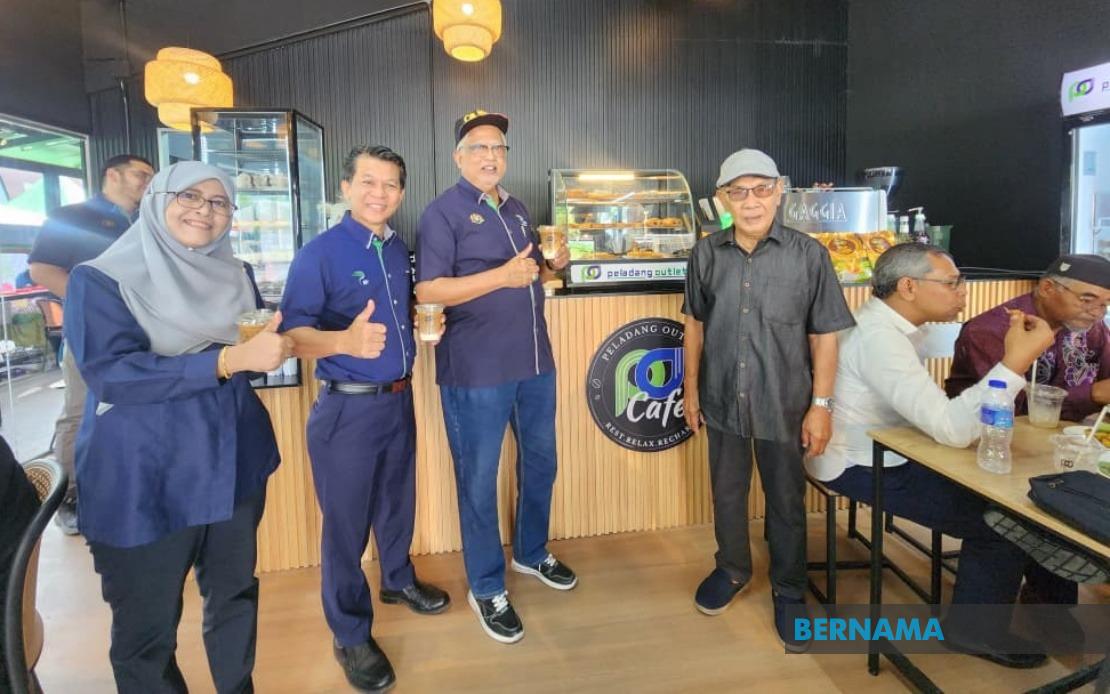
Malaysia's Farmers' Organisation Authority (LPP) is pursuing an ambitious modernisation programme to transform 90 Farmers' Outlets (PO) operated by the Agricultural Farmers' Organisation (PPK) into competitive retail destinations capable of rivalling established food and beverage chains. The initiative, unveiled during celebrations marking the 51st Farmers, Breeders, and Fishermen's Day at Padang Siding in Arau, represents a significant shift in how agricultural producers connect with consumers and monetise their products in an increasingly competitive marketplace.
According to Marlina Mohd, director of the LPP's Economic Development Division, the transformation extends well beyond simple facility upgrades. The authority has already successfully enhanced 30 outlets with comprehensive modernisation covering everything from visual identity and branding through to promotional strategies and inventory management systems known as Stock Keeping Unit (SKU) frameworks. This holistic approach acknowledges that merely stocking quality local products is insufficient without professional presentation and operational systems that match customer expectations shaped by contemporary retail experiences.
The LPP chairman Datuk Mahfuz Omar, accompanied by director-general Amir Matamin, officially inaugurated the programme at the HPPN celebration, signalling executive-level commitment to this transformative agenda. The decision to launch the initiative during a major farmers' gathering underscores the government's recognition that agricultural communities require structural support to transition from traditional production-focused models toward modern retail entrepreneurship. This institutional backing provides both credibility and resources essential for sustainable change across the sector.
Marlina outlined an aggressive expansion timeline, with intentions to upgrade another 30 outlets within the coming period, effectively bringing half of the total network into the modernised category. This phased approach balances resource allocation with momentum-building, allowing the authority to learn from early implementations and refine processes before scaling to additional locations. The strategic spacing also enables participating farmers to absorb operational changes without overwhelming existing capacity or staff competencies.
The fundamental purpose underlying these upgrades centres on creating a unified platform showcasing quality agricultural products from local entrepreneurs while ensuring products reach consumers at reasonable prices. By standardising branding, visual presentation, and operational protocols across participating outlets, the PPK network transforms from fragmented individual operations into a recognisable national brand capable of commanding customer loyalty and premium positioning relative to competing retail channels. This unified identity particularly benefits smallholder farmers who individually lack marketing resources yet collectively represent significant agricultural productivity.
The Padang Siding outlet itself exemplifies the programme's early success trajectory. Since commencing operations in April this year, the upgraded facility has attracted more than 20,000 visitors, demonstrating substantial community appetite for a centralised shopping experience combining agricultural authenticity with contemporary retail convenience. This visitor volume validates the underlying market insight that Malaysian consumers actively seek locally-produced goods, particularly when presented in professional environments offering product variety, reasonable pricing, and quality assurance simultaneously.
For Malaysian consumers, particularly those in secondary and tertiary cities where imported goods dominate retail environments, these modernised PPK outlets offer meaningful alternatives supporting local agricultural economies while accessing fresher seasonal produce. The one-stop centre concept embedded in the upgrade strategy addresses longstanding consumer frustrations with fragmented farm-to-retail supply chains where intermediaries inflate prices and reduce product freshness. By positioning farmers as direct retailers within professionalised settings, the initiative improves both farmer profitability and consumer value propositions.
The modernisation programme also carries broader Southeast Asian relevance as regional economies increasingly prioritise agricultural sector development and farmer income security. Malaysia's approach—combining structural support with professional retail transformation rather than subsidisation—offers a replicable model for other nations seeking to enhance agricultural competitiveness while strengthening farmer-consumer relationships. The emphasis on branding and SKU management reflects sophisticated understanding that contemporary agricultural success requires marketing acumen alongside production expertise.
Implementing retail modernisation across 90 dispersed outlets nationwide presents substantial operational challenges extending far beyond initial upgrades. Sustaining consistent service quality, managing supply chain coordination, training staff in contemporary retail practices, and maintaining competitive pricing margins while supporting farmer incomes demand ongoing institutional commitment and investment. The phased rollout approach suggests authorities recognise these complexities and are building implementation capacity deliberately rather than pursuing transformation through sudden mandates likely to generate resistance or failure.
Looking forward, the expansion of PPK outlets nationwide creates cumulative benefits as network density increases. Greater outlet prevalence enhances consumer convenience and brand visibility while enabling farmers to reach larger markets without abandoning direct-to-consumer channels that traditionally offered superior pricing. This distributed retail strategy contrasts with supermarket consolidation trends, preserving farmer autonomy and community-level economic activity while modernising competitive positioning.

