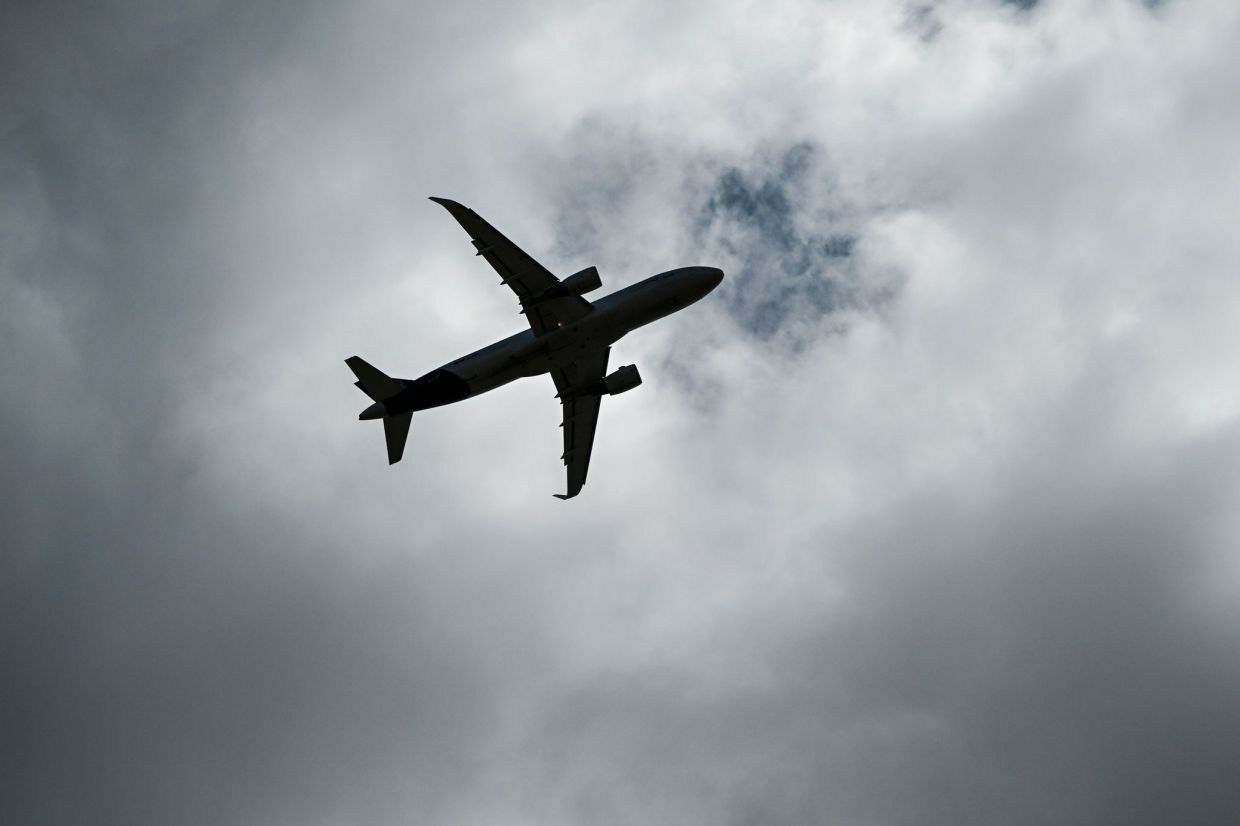
A Swiss International Air Lines aircraft diverted to Dublin on its transatlantic journey to Boston after a power bank caught fire in the cabin, triggering an emergency descent and landing priority signal. The incident marks the second time in just fourteen days that electronic device malfunction has forced an unscheduled landing aboard a Lufthansa Group carrier, underscoring growing concerns about lithium-ion battery safety during flight operations across major international carriers.
The 206 passengers aboard the affected flight were deplaned in Dublin and accommodated in hotels while the airline arranged alternative transportation to complete their journeys. Swiss confirmed that smoke developing from the defective power bank prompted the diversion, though officials clarified this did not constitute a formal emergency landing despite the priority landing clearance granted to ensure rapid descent and ground assistance. The incident occurred just weeks after a comparable event involving a similar device, demonstrating a troubling pattern that has prompted the Lufthansa Group to reinforce existing safety protocols.
Following the earlier incident in July, when a Swiss flight from Zurich to New York made an unscheduled landing in Bangor, Maine, after smoke erupted from a charging case for wireless headphones lodged between seats, Lufthansa Group airlines have intensified enforcement of power bank restrictions. That previous episode revealed how portable electronic devices, particularly those with rechargeable lithium-ion batteries, can ignite when damaged or compressed, posing significant risks in the confined pressurized cabin environment where smoke spread rapidly and evacuation options are severely limited.
Lufthansa Group's updated regulations, formally introduced in early 2026, impose strict limitations on how passengers may transport and use power banks during flights across the airline's entire network. The airline prohibits the use and charging of power banks during flight operations entirely, eliminating one category of risk by preventing passengers from actively operating these devices at altitude. Additionally, each passenger may carry no more than two power banks in carry-on baggage, establishing a quantitative restriction designed to minimize the cumulative fire load should multiple devices malfunction simultaneously.
Geographical placement of these devices forms another crucial safety component of the revised regulations. Power banks may be stored only in seat pockets immediately in front of passengers, kept on the person in clothing or personal belongings, or placed in carry-on luggage positioned under the seat in front. This restriction explicitly prohibits storage in checked baggage loaded in aircraft cargo holds and forbids placement in overhead compartments where crew cannot rapidly access malfunctioning devices. The logic underlying these rules reflects the reality that smoke and fire in an aircraft cabin demand swift detection and intervention by flight attendants who patrol the cabin regularly.
Capacity specifications add technical precision to Lufthansa's requirements. Power banks exceeding 100 watt-hours but not exceeding 160 watt-hours demand advance approval from the airline before carriage, effectively creating a middle tier of scrutiny for mid-range capacity devices. This graduated approach acknowledges that larger-capacity batteries present proportionally greater fire risk, reflecting chemical realities of lithium-ion technology where energy density correlates directly with potential thermal runaway severity. Approved medical devices incorporating battery power receive exemptions from these restrictions, reflecting regulatory flexibility where medical necessity overrides blanket prohibitions.
The regulations mirror guidance from international aviation safety authorities, providing Lufthansa with technical legitimacy and alignment with emerging global standards. As lithium-ion battery incidents have proliferated across the aviation industry, regulatory bodies worldwide have strengthened recommendations regarding portable electronic device transportation and use. Lufthansa's codification of these principles into enforceable airline policy demonstrates proactive risk management, though widespread passenger unfamiliarity with such regulations remains problematic across the industry.
Electronic cigarettes fall under identical restrictions to power banks, reflecting shared concern about lithium-ion battery safety. Vaping devices contain rechargeable battery components structurally similar to power banks, creating equivalent ignition risks. The parallel treatment of e-cigarettes and power banks in safety protocols indicates Lufthansa's comprehensive approach to managing any portable electronic device with embedded batteries. Passengers often underestimate these risks, viewing power banks and vaping devices as benign consumer goods rather than potential fire hazards at altitude.
For Malaysian and Southeast Asian travelers, understanding these regulations before departure proves essential, particularly given the region's heavy utilization of Lufthansa Group services for European connections. Passengers flying Swiss, Austrian Airlines, or other Lufthansa subsidiaries must verify specific power bank policies with their carrier and ensure strict compliance with placement restrictions. The consequences of non-compliance extend beyond individual passenger inconvenience; the operational disruption from diverting an aircraft mid-ocean involves substantial costs, impacts hundreds of connecting passengers, and diverts emergency response resources.
The practical implications extend beyond Lufthansa operations. Other major international carriers, observing these incidents, have begun implementing or strengthening comparable restrictions. Industry-wide adoption of standardized power bank regulations will likely accelerate as incident data accumulates, potentially establishing uniform global standards within the next regulatory review cycle. Regional carriers in Southeast Asia increasingly operating long-haul international routes will face pressure to adopt equivalent safety measures.
Passenger responsibility forms the final element in this safety equation. Checking airline-specific device policies before packing represents elementary due diligence that many travelers neglect. Airlines provide clear written guidance through websites and booking confirmations, yet enforcement burden falls partly on airport staff and flight attendants who must educate non-compliant passengers. Greater awareness that lithium-ion battery failures in aircraft cabins pose genuine safety risks, not merely airline inconvenience, might motivate compliance more effectively than regulatory threats.
These consecutive incidents illuminate vulnerabilities in the current passenger education and compliance environment. While airlines have promulgated protective regulations rooted in legitimate safety science, passenger comprehension and adherence remain inconsistent. The transatlantic diversions serve as costly reminders that portable electronics represent genuine hazards during flight operations, warranting the careful attention and strict compliance that safety-conscious travelers should voluntarily embrace.

