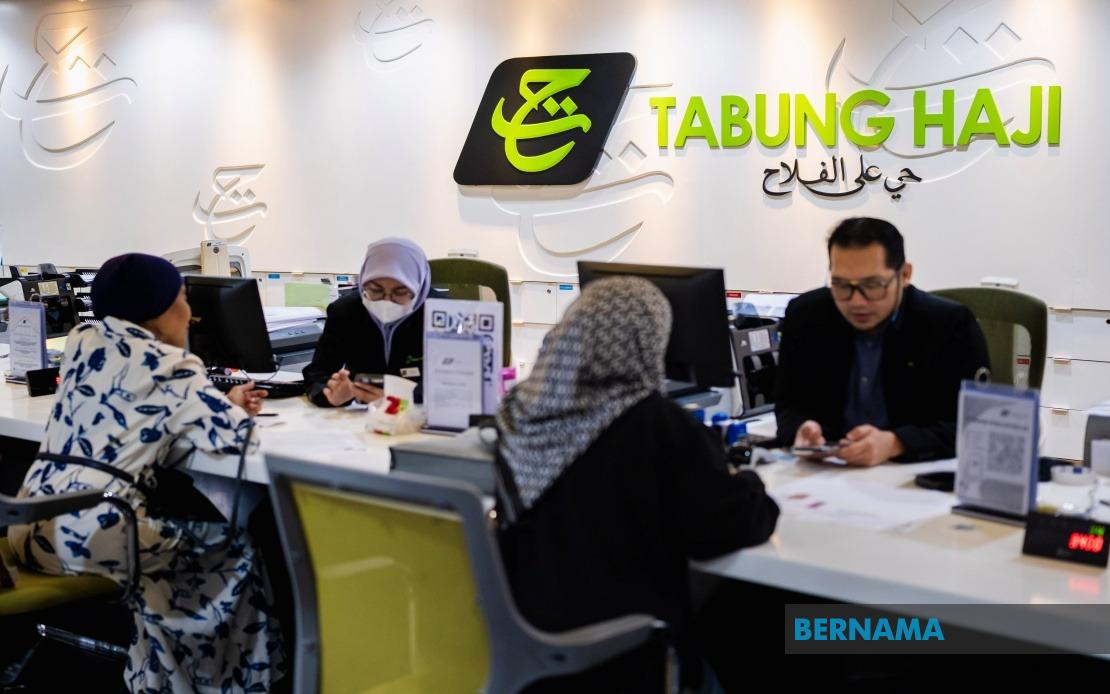
The path to restoring Tabung Haji's credibility depends fundamentally on severing the institution from political meddling, according to academic experts who have analysed the Royal Commission of Inquiry's findings on the pilgrim fund's crisis. With more than three-quarters of the RCI's management recommendations now implemented, observers say the next critical phase must involve insulating Malaysia's pilgrimage savings body from the political pressures that contributed to its troubles.
The consensus among analysts reflects a sobering assessment of how political interests infiltrated corporate decision-making at Tabung Haji over several years. Rather than operating as a professional financial institution guided by risk management and sound investment principles, the organisation became subject to political appointments and interests that undermined governance structures. This pattern emerged most clearly in controversial investments such as the Al-Rawda project in Saudi Arabia, which proceeded without completing proper due diligence—a striking example of how political considerations can override investment safeguards.
Prof Dr Azmi Hassan, a fellow at the National Council of Professors and senior fellow at the Nusantara Academy for Strategic Research, argued that the current situation makes it nearly impossible to distinguish between Tabung Haji's institutional interests and political agendas. Nearly every significant organisational decision becomes entangled with political considerations, he noted, with even the parliamentary presentation of RCI findings becoming a political exercise. Restoring depositor confidence and trust within Malaysia's Muslim community requires the government to demonstrate visibly that Tabung Haji operates independently, with leadership drawn from qualified professionals unaffiliated with political parties.
The intellectual case for depoliticisation draws strength from successful Malaysian precedents. Dr Mohd Amim Othman, a senior lecturer at Universiti Putra Malaysia's Faculty of Human Ecology, pointed to the Employees Provident Fund and Permodalan Nasional Berhad as models of how large financial institutions managing public assets can thrive without political interference. Malaysia possesses no shortage of capable professionals qualified to lead Tabung Haji effectively, he emphasised; the obstacle lies in political reluctance to relinquish control over the organisation. Implementing the RCI's specific recommendations regarding ministerial powers, board authority, and regulatory oversight represents the concrete mechanism through which such independence becomes achievable.
Beyond governance restructuring, experts stress that Tabung Haji faces pressing operational challenges in attracting and retaining members. The crisis has already dampened contribution rates among existing members, creating potential complications for investment fund management. Dr Amim highlighted the necessity for fresh strategic approaches designed to appeal particularly to younger Malaysians. Expanded product offerings—including property-linked investments through TH Property—could make membership more attractive and encourage broader participation in the savings scheme.
Dr Saizal Pinjaman, director of the Centre for Economic and Policy Development at Universiti Malaysia Sabah, provided specific analysis of how political influence creates measurable investment risks. When political considerations override professional judgment, decision-makers become inclined to disregard incomplete information and inadequate due diligence. The Al-Rawda investment exemplified this dynamic: despite ranking as Tabung Haji's largest financial loss, the project advanced without completing the full investment evaluation process. Granting management independence to assess risks objectively and professionally proves essential, though Dr Pinjaman cautioned that such operational freedom must be counterbalanced by robust accountability mechanisms and oversight structures.
The reputational dimension of Tabung Haji's recovery cannot be overlooked. Dr Noor Nirwandy Mat Noordin, a security and political analyst at Universiti Teknologi MARA's Centre for Media and Information Warfare Studies, characterised the crisis as having damaged the institution's symbolic standing within Malaysia's Muslim community. Tabung Haji traditionally represented Muslim civilisation, heritage, and national pride; the scandal undermined this identity. Accelerating reform efforts and achieving genuine independence serve the practical goal of rebuilding institutional legitimacy. Greater transparency in decision-making and operations would signal to the public and to depositors that Tabung Haji now functions according to professional standards rather than hidden political arrangements.
Dr Noordin suggested that Tabung Haji could strengthen its competitive position and investment acumen by systematically engaging external expertise. Specialists in incentive structures, investment strategy, and economic policy could provide valuable perspectives, ensuring the organisation remains sophisticated and competitive in managing funds. Such external engagement would simultaneously reinforce the perception that Tabung Haji operates within professional networks rather than closed political circles.
The stakes of this institutional transformation extend beyond Tabung Haji itself. The organisation manages savings belonging to hundreds of thousands of Malaysian Muslims undertaking the hajj pilgrimage—one of Islam's five pillars. The breach of trust resulting from the crisis reflects not merely financial mismanagement but a failure of stewardship over assets entrusted for profoundly spiritual purposes. Restoring confidence requires demonstrating that political parties can genuinely subordinate their interests to the public good and to the religious obligations that Tabung Haji serves.
Moving forward, the government faces a test of whether it will implement recommended reforms substantively or merely cosmetically. The academic consensus points toward a clear pathway: depoliticise appointments and decision-making, establish clear boundaries on ministerial and political interference, strengthen independent oversight, and recruit professional leaders based on merit. These measures would not eliminate all risks in financial management, but they would restore the institutional legitimacy necessary for Tabung Haji to function effectively as Malaysia's premier pilgrimage savings institution.

