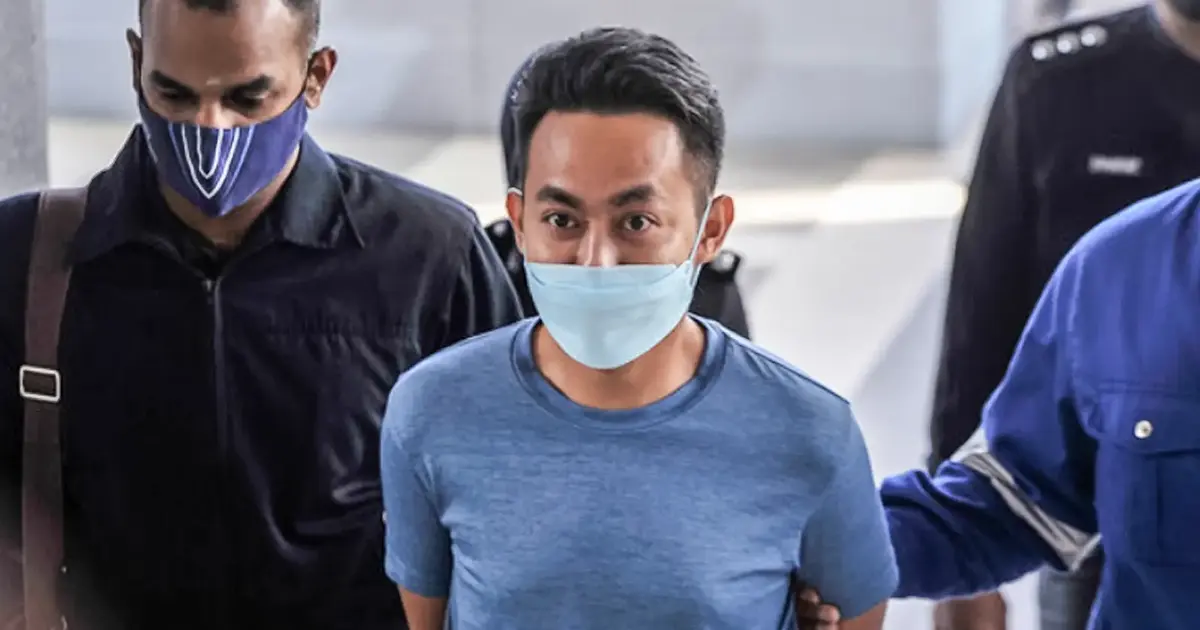
A Sessions court has imposed an RM11,000 fine on political activist Jufazli Shi Ahmad for uploading an offensive TikTok video targeting former Prime Minister Ismail Sabri. The punishment reflects growing judicial concern over inflammatory social media content that crosses the line from political commentary into personal attacks on public figures. The court's decision underscores the tension between free expression and legal boundaries in Malaysia's increasingly digital political landscape, where viral videos can rapidly amplify divisive messaging to millions of viewers across the country and beyond.
Jufazli's conviction marks a significant moment in how Malaysian courts are treating social media misconduct involving prominent political figures. The former premier, who served as Prime Minister from August 2021 to November 2023, has been the subject of considerable public scrutiny following his term in office. However, the court's intervention suggests that while criticism of political leaders remains protected speech, the manner and tone of such critique matters legally. The judge's decision indicates that posting content deemed offensive rather than substantively critical crosses into territory that courts will actively prosecute under relevant statutes.
During the sentencing hearing, the Sessions court judge issued a stern warning that proved as significant as the financial penalty itself. The judge cautioned Jufazli that any future conviction on similar charges could result in imprisonment rather than merely a monetary fine. This escalatory warning signals to other social media users and political activists that repeated violations will face progressively harsher consequences, potentially including custodial sentences. Such warnings establish a clear legal precedent that the judiciary intends to take increasingly firm action against persistent offenders who use digital platforms to post offensive content about public figures.
The case arrives at a moment when social media has become central to political discourse across Southeast Asia, and Malaysia is no exception. TikTok, in particular, has emerged as a powerful platform for reaching younger demographics, with its short-form video format making content highly shareable and viral. Political actors, from established parties to grassroots activists, leverage the platform to communicate messages to constituents and supporters. However, this accessibility also creates opportunities for rapid spread of inflammatory or misleading content, prompting authorities and courts to establish clearer boundaries around what constitutes acceptable political expression on such platforms.
The RM11,000 fine represents a substantial financial penalty that will likely deter similar conduct, particularly among activists with limited resources. For political figures and their teams, the judgment offers a roadmap of what social media conduct courts consider unacceptable. The penalty level suggests that Malaysian courts view offensive video posts about former premiers as serious matters worthy of meaningful financial punishment. This approach differs from approaches in some democracies where broader protections for political speech would likely shield such content from criminal liability, reflecting Malaysia's distinct legal and constitutional framework regarding defamation, sedition, and public order offences.
The specific nature of the offensive content in Jufazli's video remains less prominent in public reporting, yet understanding what crossed the line from criticism to offensive material is crucial for both activists and ordinary citizens engaging in political discourse online. Courts distinguishing between tough but legitimate political critique and genuinely offensive personal attacks provide important guardrails for public debate. However, the threshold at which material becomes "offensive" rather than "merely critical" can be subjective, raising questions about whether such distinctions are consistently applied across different cases and different political targets. Observers of Malaysia's judicial system will likely scrutinise whether similar enforcement occurs across the political spectrum or whether certain figures receive greater protection than others.
For Malaysia's activist community, the judgment carries implications extending beyond Jufazli's individual case. Political organisations, NGOs, and individual campaigners must now explicitly consider legal exposure when creating social media content about public figures, even those no longer in office. This may have a chilling effect on political commentary if activists become overly cautious, or it may simply encourage more disciplined, fact-based critique rather than inflammatory personal attacks. The balance between these outcomes depends partly on how consistently courts apply such standards and how clearly the boundaries between protected and unprotected speech become established through precedent.
The judge's warning about potential imprisonment for future convictions introduces another dimension that extends beyond Jufazli's immediate circumstances. The prospect of jail time for social media posts represents a significant escalation from the current fine and will likely feature prominently in discussions about digital freedoms and activism in Malaysia. International observers, particularly those focused on press freedom and civil liberties in Southeast Asia, may scrutinise whether such penalties align with regional and global norms regarding political expression and online conduct. Malaysia's approach will likely be compared with how neighbouring countries handle similar cases and whether there appears to be consistent application of the law across different political actors and viewpoints.
Looking forward, this case will likely prompt Malaysian political organisations and activists to develop clearer social media guidelines and internal review processes before publishing content about public figures. Legal advisories will probably circulate among activist networks and political parties, detailing what constitutes legally risky behaviour. Content creators may become more selective about language, imagery, and framing when discussing politicians, particularly former office-holders who remain in the public eye. These practical changes could reshape the texture of political discourse on platforms like TikTok, potentially creating a more cautious but also potentially more substantive conversation focused on policy critique rather than personal attacks.
The broader significance of Jufazli's conviction extends to questions about platform responsibility and government regulation of social media in Malaysia. As courts prosecute individual creators, policymakers continue debating whether platforms themselves should bear greater responsibility for moderating content, or whether current arrangements appropriately balance innovation and free expression with legitimate concerns about harmful material. The case demonstrates that Malaysia's legal system will actively enforce laws against offensive online content, and those involved in political activism and commentary must calibrate their approach accordingly. For Malaysian citizens following this case, it represents a clear signal about legal expectations for online political discourse in the current environment.

