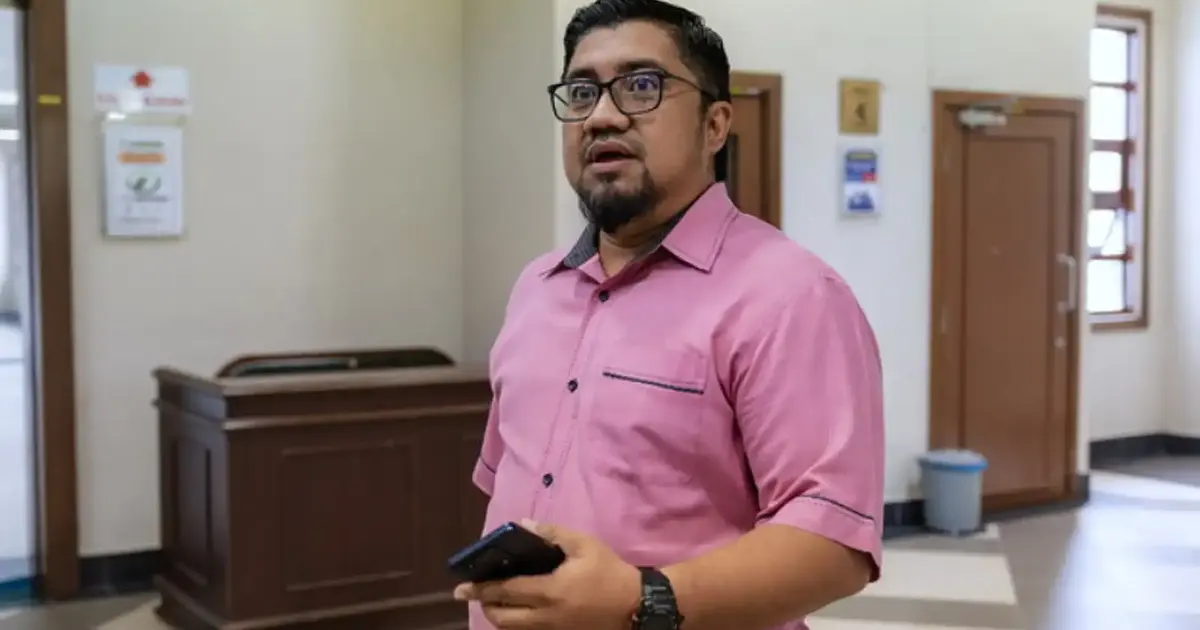
A prominent political activist has been formally charged in connection with seditious material allegedly involving the Negeri Sembilan royal family, marking another flashpoint in Malaysia's contentious debate over the boundaries of free expression and institutional criticism. The charges against Chegubard centre on content published on May 26, according to court documents, and represent part of a broader pattern of enforcement actions targeting individuals who challenge established power structures through online platforms and public discourse.
The decision to prosecute Chegubard reflects the government's continued reliance on sedition laws as a mechanism for controlling narratives that touch upon sensitive institutions. Malaysia's sedition statutes, inherited from colonial-era legislation and retained in the postcolonial era, remain potent tools for authorities seeking to restrict political speech they deem threatening to national stability or institutional respect. The application of these laws to material connected with royal families has historically generated intense debate among legal scholars, human rights advocates, and civil society organisations who argue that such prosecutions stifle legitimate democratic discourse.
Negeri Sembilan's royal institution occupies a constitutionally protected position within Malaysia's federal structure. As one of nine hereditary sultanates in the country, the state maintains strict protocols governing public commentary on its rulers and their families. The involvement of Negeri Sembilan royals in this case therefore adds significant weight to the allegations, as authorities take particularly seriously any content perceived to diminish the dignity or standing of monarchical figures. This institutional sensitivity partly explains the severity of the charges brought against the activist.
Chegubard's case arrives amid growing scrutiny of Malaysia's sedition enforcement record from international observers and domestic civil liberties groups. In recent years, several high-profile prosecutions have drawn criticism from organisations monitoring press freedom and political rights in the region. The timing and nature of charges against activists often correlate with their public advocacy on contentious political matters, raising questions about the impartiality of the legal system and whether such prosecutions serve genuine public safety objectives or primarily function as intimidation mechanisms.
The May 26 publication date suggests the material appeared during a politically charged period, though the specific content of Chegubard's alleged publications remains partially obscured by legal proceedings. Understanding what precisely triggered law enforcement action would require detailed examination of the published material, but the sedition charges indicate authorities viewed the content as crossing thresholds of acceptable criticism regarding the royal family. The vagueness of sedition law definitions in Malaysian jurisprudence means what constitutes criminal speech often depends heavily on prosecutorial discretion and judicial interpretation.
For Southeast Asian observers tracking democratic health across the region, Malaysia's approach to political speech provides a cautionary example of how constitutional protections for institutions can be weaponised against dissent. The region has witnessed increasing tensions between governments seeking to maintain institutional reverence and citizens demanding space for critical public conversation. Thailand, Myanmar, and Cambodia have similarly grappled with these conflicts, though each context presents distinct constitutional arrangements and political dynamics that shape how authorities regulate expression.
Chegubard's prosecution also connects to broader questions about online activism in Malaysia. Social media platforms have become primary venues where political activists and ordinary citizens discuss grievances, organise advocacy campaigns, and challenge official narratives. Authorities increasingly view these digital spaces as threats requiring regulatory attention, leading to investigations and prosecutions of individuals whose posts, tweets, or shared content trigger official concern. This dynamic has created a chilling effect on online discourse, with many Malaysians self-censoring to avoid legal jeopardy.
The case carries implications for Malaysia's international standing on human rights commitments. The country has ratified various United Nations human rights treaties that protect freedom of expression as a fundamental right. However, extensive carve-outs within Malaysian law—including sedition statutes, the Communications and Multimedia Act, and the Penal Code's provisions on criminal defamation—substantially narrow the practical scope of these protections. International human rights bodies have repeatedly called on Malaysia to narrow sedition laws and decriminalise political speech, advice successive Malaysian governments have largely declined to follow.
Legal defence resources become critical in such cases, as mounting an effective sedition defence requires sophisticated constitutional arguments and substantial financial investment. Many Malaysian activists lack access to well-funded legal teams, placing them at disadvantage compared to state prosecutors commanding government resources. The disparity in legal resources means convictions sometimes reflect financial capacity rather than evidentiary strength, further raising equity concerns about sedition enforcement.
The prosecution of Chegubard will be closely monitored by local civil society organisations, international observer groups, and members of Malaysia's legal community who continue advocating for reform of political speech laws. Each prosecution offers opportunities for judicial reconsideration of how courts interpret sedition statutes and whether existing frameworks adequately balance institutional protection against democratic necessity. Some judges have shown willingness to narrow sedition applications in recent decisions, though precedent remains inconsistent.
For Malaysian readers, this case represents another instance in which the limits of permitted political expression become contested terrain. Whether one views the charges as necessary protection for valued institutions or as unjustified suppression of legitimate activism often depends on broader views about how democracies should function. The outcome of Chegubard's legal proceedings will likely influence how other activists assess risks associated with public advocacy on sensitive topics, potentially shaping the tenor and substance of Malaysian political discourse in coming months.

