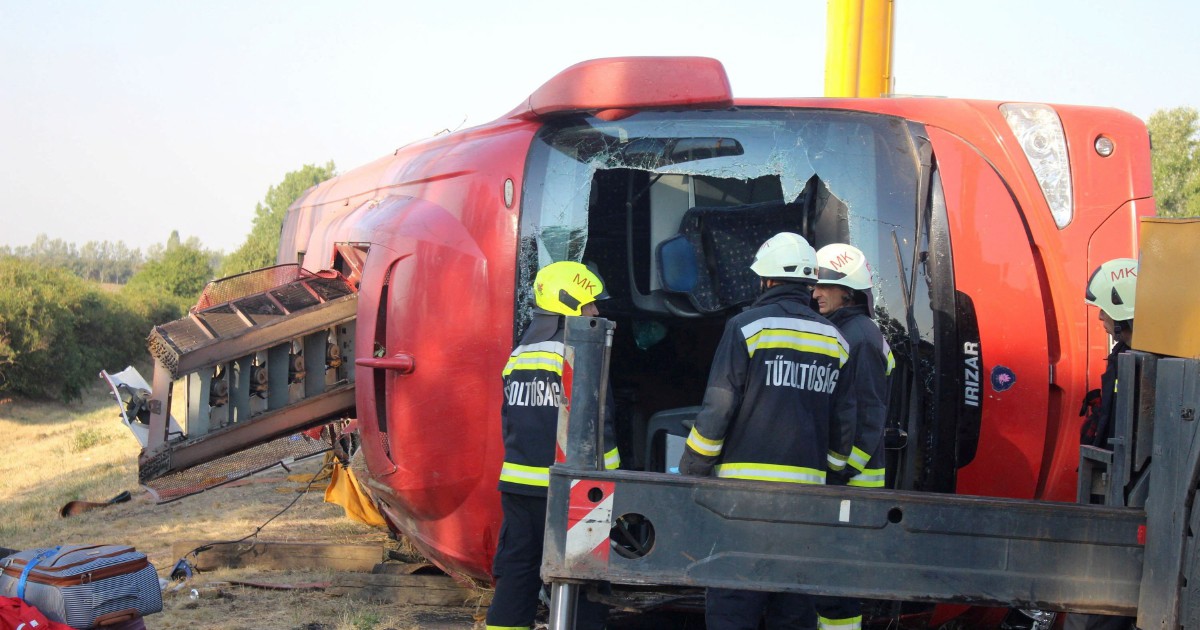
A Polish intercity bus crashed on a Hungarian highway in the early hours of Sunday morning, leaving at least 12 people dead and more than 10 sustaining severe injuries. The accident sparked a significant emergency response from Hungarian authorities, with Prime Minister Peter Magyar confirming the casualty figures alongside other officials at the scene.
The overturning of the bus represents one of the more serious transport accidents in the Central European region in recent times. Such incidents along major European highways, particularly those connecting Poland and Hungary, highlight the ongoing risks posed by long-distance coach travel on high-speed routes. The timing of the crash—during the early morning hours when visibility may be compromised and passenger fatigue could be a contributing factor—adds another dimension to understanding how such tragedies occur.
For Malaysian travellers and readers, bus accidents on European highways serve as a reminder of the different safety standards and regulatory environments across the continent. While long-distance coach travel remains a popular and generally economical option for moving between Central European cities, such incidents underscore the importance of passenger vigilance and understanding local transport regulations when travelling abroad. The prevalence of cross-border bus services, particularly connecting Poland, Hungary, and other Eastern European nations, means that detailed investigation into causation becomes particularly significant for the industry and its users.
The presence of Prime Minister Peter Magyar at the scene alongside emergency officials suggests Hungary treated the incident with considerable governmental attention. This administrative response typically precedes detailed investigations into mechanical failure, driver fatigue, road conditions, or other potential contributing factors. Hungarian transport authorities would need to establish whether vehicle maintenance records, driver rest periods, and road infrastructure played any role in the accident, particularly given the early morning timing when motorway conditions may have been suboptimal.
The substantial injury toll—with more than 10 people severely hurt—indicates that while some passengers may survive the initial crash, the follow-up medical response and long-term consequences for survivors can extend far beyond immediate casualty figures. Hungarian hospitals and emergency medical services would be mobilised to treat trauma victims, many of whom might face extended recovery periods and lasting complications. The coordination between Hungarian and Polish authorities becomes essential in such situations, as managing casualties from a foreign vessel requires both immediate medical intervention and proper identification and repatriation procedures.
Polish-Hungarian travel corridors represent significant transit routes for both passenger and freight movement across Europe. Buses operating these routes typically carry mixed passenger loads—tourists, migrant workers, and business travellers—creating diverse injury and logistical challenges for emergency responders. The multicultural nature of such crossings also complicates the administrative aftermath, requiring translation services, contact with multiple consulates, and coordination across different health systems.
From a regional safety perspective, this accident inevitably prompts questions about whether similar infrastructure and operational issues might affect bus services across Southeast Asia, where long-distance coach travel remains equally popular. Malaysian readers familiar with domestic express bus services may recognise parallels in operational structures, though European Union regulations typically impose stricter vehicle maintenance and driver working-hour requirements than many Asian jurisdictions.
The investigation into Sunday's crash will likely focus on multiple variables. Speed and road conditions appear primary considerations, particularly if rain, fog, or other weather phenomena affected visibility or road grip on the Hungarian motorway. Mechanical examination of the bus would establish whether braking systems, tyre condition, or structural elements contributed to the rollover. Driver assessment—including toxicology tests and examination of rest-period compliance—would form essential components of any thorough enquiry.
Governmental and transport industry responses to such tragedies typically result in reinforced safety protocols, enhanced inspection regimens, and occasionally regulatory revisions. The Hungarian government's prominent involvement in this incident's immediate aftermath suggests that lessons learned may influence both national transport regulations and potentially influence discussions within European transport safety frameworks.
For passengers booking intercity bus services between Central European destinations, this tragedy underscores the importance of selecting operators with strong safety records, understanding what insurance coverage applies, and remaining alert during journeys. Registered coach operators generally maintain higher standards than informal services, and travellers should prioritise established companies with transparent maintenance histories whenever crossing international borders by road.
The full circumstances surrounding the overturning remain under investigation by Hungarian authorities, who will release detailed findings once examination of the vehicle, scene analysis, and medical assessments are complete. The incident serves as a sobering reminder that despite relatively advanced infrastructure and regulatory frameworks in Europe, transportation accidents remain a significant risk factor that claims lives across the continent with tragic regularity.

