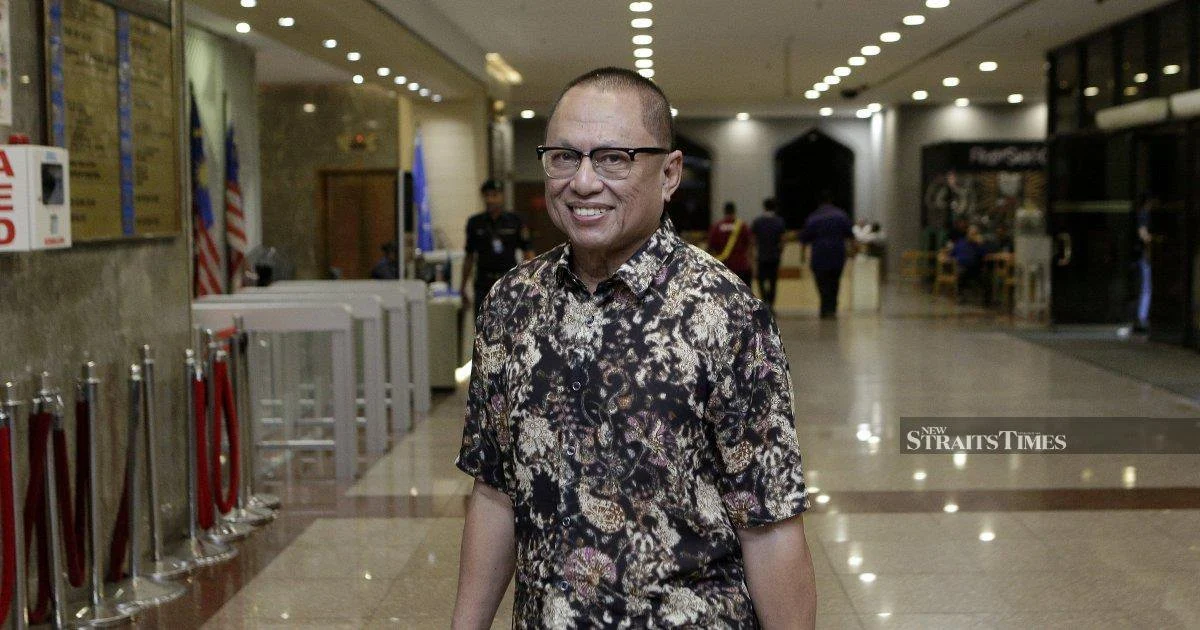
The Royal Malaysian Police have initiated a formal investigation into statements attributed to former Umno veteran Datuk Dr Mohd Puad Zarkashi after more than 150 police reports were submitted across the country in a single day. The allegations centre on remarks purportedly made by the seasoned party figure through social media platforms, triggering what appears to be a coordinated response from various quarters seeking official action.
The volume of reports—153 in total—underscores the level of public concern or organised mobilisation surrounding the comments in question. While the precise nature of the alleged statements has not been detailed in initial police statements, the filing of such a high number of complaints suggests the matter resonates across multiple states and communities. Police have confirmed that the investigation is active and ongoing, with authorities now tasked with examining the veracity and context of what was posted.
Datuk Dr Mohd Puad Zarkashi, known within Umno circles for his longstanding involvement in the party's affairs, appears to have found himself at the centre of significant controversy. His use of social media as a platform for communication reflects a broader trend among Malaysian political figures of engaging directly with supporters and critics through digital channels. However, this particular instance demonstrates how such communication can quickly escalate into matters requiring police intervention when allegations of misconduct arise.
The police response to this scale of complaints reflects standard procedure in Malaysia when multiple reports address the same individual and alleged incident. Authorities must assess whether any laws have been breached, whether through potentially seditious content, defamatory statements, or other prohibited speech. The investigation will likely involve examining the posts themselves, their context, any retweets or shares, and statements provided by the complainants.
For the Umno party itself, the matter carries internal political significance. As a long-established member of the party machinery, Zarkashi's actions and any resulting scrutiny touch on broader party discipline and the conduct expected of senior figures. The party may face questions about whether it intends to take parallel action or issue any public statement regarding one of its veteran members being under police investigation.
The implications extend to Malaysia's ongoing discourse around freedom of speech and political discourse. While individuals retain rights to express opinions, the investigation signals that authorities will act when complaints are lodged in such volume. This raises questions about whether such mass reporting mechanisms—which may be coordinated by political opponents or activists—represent legitimate grievance channels or constitute attempts to weaponise the complaints process against political rivals.
Within the broader Southeast Asian context, Malaysia's approach to investigating allegations involving senior political figures reflects standards increasingly common across the region. Several neighbouring countries have seen similar situations where social media statements by prominent politicians have triggered official inquiries or legal proceedings. The matter underscores how the digital age has altered the speed and scale at which political controversies can develop and escalate from social media posts to police investigations.
The investigation's outcome will likely influence how Malaysian political figures calibrate their future social media communications. Public figures across parties are watching closely to understand what boundaries exist around online speech and where authorities draw lines between protected expression and actionable content. Zarkashi's case may become a reference point for future discussions about acceptable political rhetoric in Malaysia's digital environment.
The timing of the complaints and investigation may also reflect broader political dynamics within Umno and the wider coalition that has governed Malaysia. Internal party tensions, leadership rivalries, or responses to specific policy statements can sometimes manifest as public complaints and police referrals, transforming intra-party disputes into matters of official concern. Whether the 153 reports represent genuine public concern or coordinated political messaging remains a question that may emerge during the investigation.
Authorities have indicated that the investigation will proceed according to established protocols, with investigators examining evidence and taking statements from relevant parties. The police have not specified which particular laws the investigation examines, though possibilities could include provisions relating to sedition, defamation, or other offences under the Penal Code or communications laws. The case highlights ongoing tensions in Malaysia between digital freedoms and state authority to regulate speech deemed problematic.

