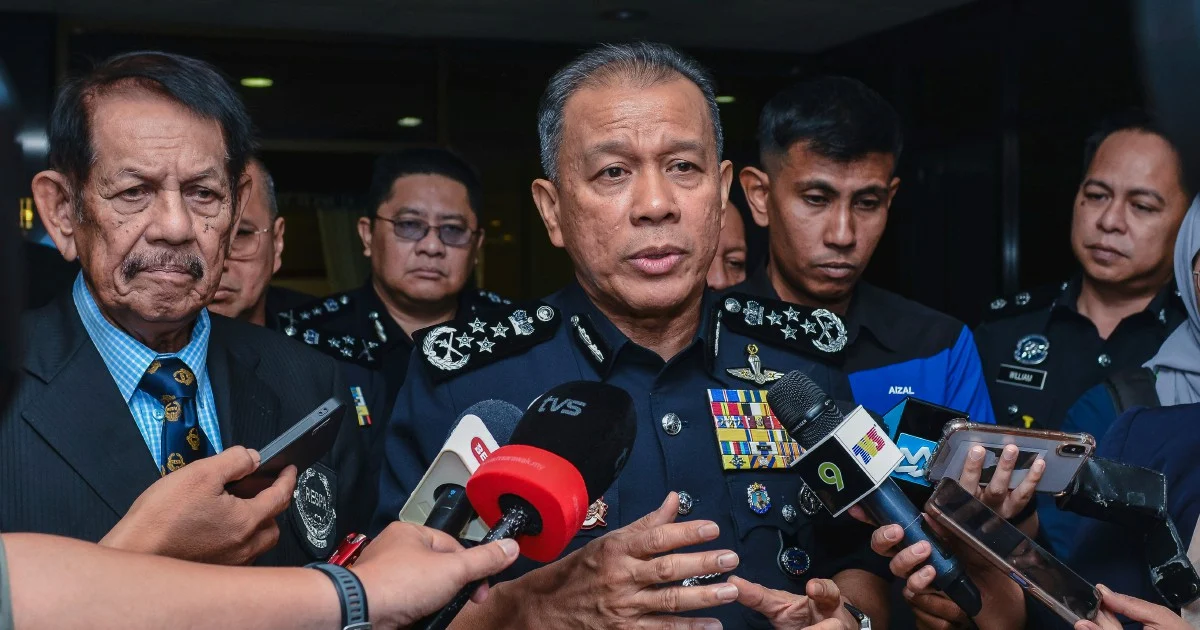
The Royal Malaysian Police has formally commenced a disciplinary investigation into one of its officers following the circulation of a viral video that drew public attention to allegedly disrespectful conduct directed at local residents during an international visit. The incident, which gained significant traction across multiple social media platforms, prompted swift action from senior police leadership in addressing the matter through established internal procedures.
The video, which circulated widely online, captured behaviour that observers characterised as insulting towards ordinary citizens encountered during the officer's time in China. Such conduct, if substantiated, runs counter to the professional standards and public conduct expectations that the police force maintains for all personnel, particularly those representing Malaysia abroad. The viral nature of the incident amplified concerns beyond typical workplace matters, drawing scrutiny from the general public and raising questions about the force's oversight mechanisms.
Disciplinary investigations within the police force follow formal protocols designed to establish facts, assess culpability, and determine appropriate consequences proportionate to any breaches of conduct standards. The investigation will likely examine the circumstances surrounding the incident, the context of the visit, and the accuracy of claims made in the viral recording. Such processes typically take time to complete thoroughly, ensuring that conclusions are based on comprehensive evidence gathering rather than rapid judgment influenced by public sentiment.
For Malaysia's police force, managing the public reputation of its personnel extends beyond national borders. Officers representing the nation internationally must navigate cultural sensitivities and maintain diplomatic courtesy, as their actions reflect not only on the institution but on the country itself. An incident of this nature, particularly when documented and shared globally, creates reputational considerations that demand clear institutional response and accountability mechanisms.
The timing and nature of the incident underscore broader challenges facing modern law enforcement agencies in the era of instant global communication. Videos that might once have remained confined to local conversation now reach international audiences within hours, transforming individual incidents into matters of public discourse and institutional scrutiny. This reality places heightened importance on ensuring that all personnel understand their responsibility to uphold professional standards at all times and in all places.
China remains a significant regional partner for Malaysia across multiple dimensions, including security cooperation, trade, and cultural exchange. Incidents involving Malaysian officials in Chinese territory can carry diplomatic implications if they generate negative sentiment. The police force's proactive investigation into this matter demonstrates awareness of these broader considerations and commitment to addressing concerns promptly and transparently.
The specific allegations concerning disrespect towards local residents touch on values that both Malaysia and China emphasise in their respective societies—mutual respect, harmonious social relations, and professional courtesy. Should the investigation confirm that such conduct occurred, the disciplinary process will need to address not only the breach of police conduct standards but also the broader implications for bilateral relations and public trust.
Internal discipline within law enforcement agencies serves multiple functions beyond punishment. It reinforces institutional values, demonstrates to the public that the force takes its obligations seriously, and provides opportunities for corrective measures where appropriate. The investigation process, despite its seriousness, also represents the police force's commitment to self-regulation rather than external intervention in matters of internal discipline.
For Malaysian citizens and regional observers, this case illustrates how technology has transformed accountability mechanisms in the modern era. The viral video functioned as a form of public oversight, bringing an incident that might otherwise have remained private to the attention of authorities and the public simultaneously. This dynamic has become a new feature of governance and institutional accountability across the region, requiring organisations to adapt their approaches to transparency and responsiveness.
The investigation's outcome will likely carry implications extending beyond the individual officer involved. Depending on findings and the nature of any disciplinary measures imposed, the case could inform discussions about officer training, overseas conduct guidelines, and mechanisms for addressing viral incidents involving public servants. The police force may use this opportunity to reinforce professional standards and clarify expectations regarding how personnel should represent themselves and the nation.
As the inquiry proceeds, the focus remains on establishing factual accuracy regarding what transpired, examining contextual circumstances, and applying appropriate institutional responses. The police force's willingness to pursue formal investigation, rather than dismissing public concern, reflects an understanding that maintaining institutional credibility requires taking such matters seriously and following transparent, established procedures for resolution.