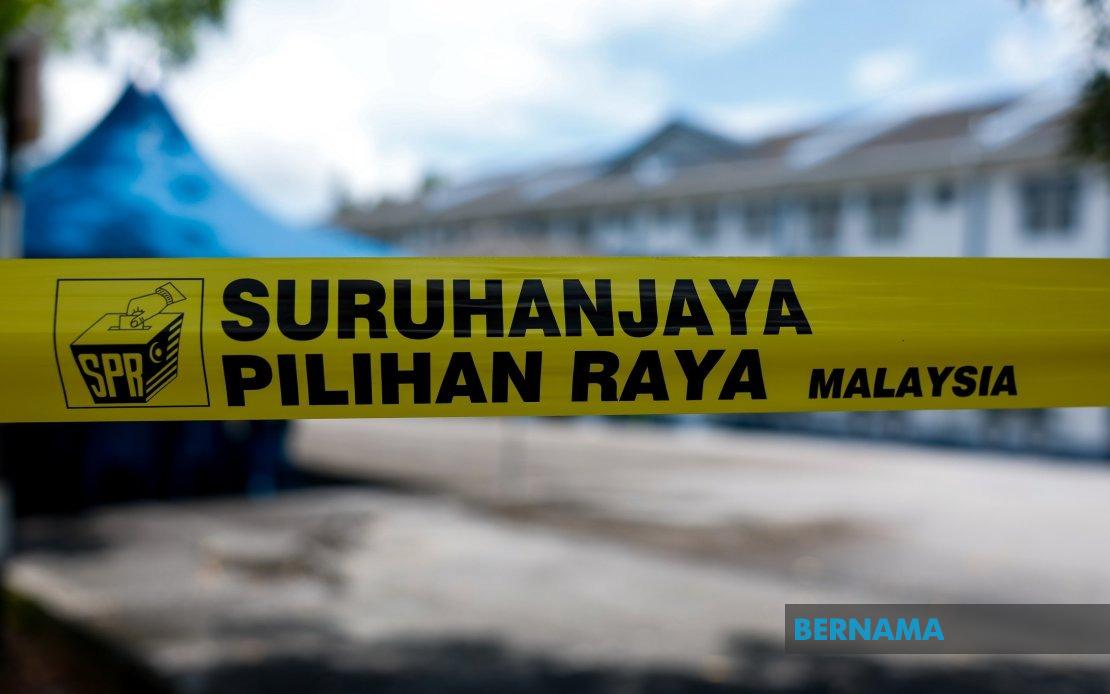
The Negeri Sembilan police force has initiated seven separate investigation papers covering various election-related offences as the campaign for the state's 16th democratic exercise enters its critical phase. Police Chief Datuk Alzafny Ahmad disclosed the enforcement actions in a statement made during the intensive campaigning period, signalling the authorities' commitment to maintaining electoral integrity throughout the political process.
Among the cases currently under investigation, two papers were registered involving breaches of Section 427 of the Penal Code, which pertains to wilful mischief that results in property damage or loss. These incidents reflect the types of electoral violations that authorities have been tracking closely during the campaign period, demonstrating that enforcement efforts extend beyond conventional electoral law breaches to encompass public order and safety concerns.
The police chief revealed a broader pattern of reported irregularities, noting that between July 18 and 22, the Negeri Sembilan contingent of the Royal Malaysia Police received a cumulative total of 12 reports connected to election offences. This figure provides insight into the public's engagement with the electoral process and their willingness to report suspected violations to law enforcement, even as the campaign intensified.
Despite the investigation papers opened, authorities have maintained a relatively permissive stance toward legitimate campaign activities. During a single day alone, 53 permit applications for political ceramahs—traditional public speeches—and other campaign activities were processed and approved. This figure represents a significant portion of the 226 total permits authorised throughout the campaign period to date, underscoring how political parties and candidates have mobilised support through sanctioned events.
The scale of approved permits reflects the heavily contested nature of the Negeri Sembilan election, where multiple political organisations have sought to conduct grassroots engagement activities. The approval rate suggests that police have successfully balanced their law enforcement responsibilities with the necessity of facilitating democratic participation, a delicate equilibrium essential for maintaining public confidence in the electoral system.
From an enforcement perspective, police have framed their role as custodians of electoral propriety rather than obstructors of political activity. Datuk Alzafny Ahmad stressed that all political programmes and activities remain under continuous police surveillance to guarantee compliance with applicable legislation while simultaneously protecting public safety and social harmony. This monitoring approach indicates a proactive rather than reactive posture, with authorities seeking to prevent violations before they occur.
The police leadership signalled an intention to intensify preparedness measures and monitoring protocols as the campaign reaches its final stages. Stern consequences have been promised for any violations of electoral law, suggesting that authorities will not hesitate to escalate enforcement if misconduct persists. This messaging appears designed to deter potential offenders while reassuring legitimate campaigners that their activities will proceed without unnecessary hindrance.
For Malaysian observers and those monitoring electoral conduct in Southeast Asia, the Negeri Sembilan campaign provides a case study in how state-level authorities manage the tension between facilitating democratic expression and enforcing legal boundaries. The relatively modest number of investigation papers and reported offences suggests that campaign conduct has remained largely within acceptable parameters, though the authorities' vigilance indicates awareness that electoral periods can occasionally generate heated tensions.
The Election Commission has scheduled early voting for July 28, with the main polling day set for August 1. This compressed timeline means that any enforcement actions undertaken now carry heightened significance, as corrective measures must occur before voters cast their ballots. The coordination between police enforcement and the electoral commission's administrative processes will be critical during these final weeks.
Police Commissioner Datuk Alzafny Ahmad's public exhortations for citizen cooperation underscore how Malaysian authorities view electoral integrity as a collective responsibility rather than solely a government function. By appealing to the public to observe legal requirements, respect democratic processes, and support police efforts, authorities have articulated a vision of elections as community endeavours requiring shared commitment to peaceful and orderly conduct.
The relatively controlled environment that police monitoring has helped maintain during the Negeri Sembilan campaign stands in contrast to some electoral exercises elsewhere in the region, where campaign periods have occasionally deteriorated into disorder. This difference reflects both Malaysia's institutional maturity in managing elections and the importance that authorities place on maintaining public confidence through consistent, transparent enforcement of electoral rules.
As voting approaches, the spotlight will remain on whether the enforcement patterns established during the campaign period prove effective in ensuring a peaceful electoral outcome. The seven investigation papers and the broader monitoring framework represent the groundwork for what authorities hope will be a smooth transition to polling day, with results accepted as legitimate expressions of voter preference.

