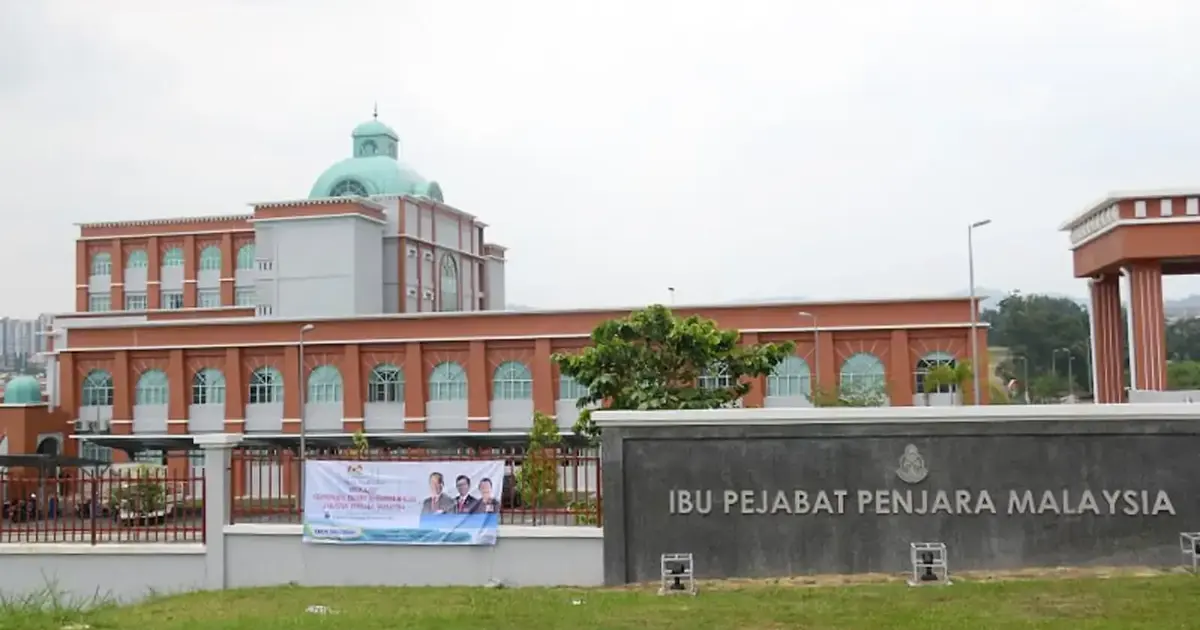
Law enforcement authorities have initiated a formal investigation into the circumstances surrounding a death that occurred within police custody, alongside serious allegations of prisoner mistreatment that have surfaced through a formal complaint. The inquiry represents a significant development in accountability procedures, particularly following intervention by Suaram, a respected human rights monitoring organisation that has long tracked institutional conduct within Malaysia's detention system.
The allegations encompassing alleged abuse within custody settings have triggered official scrutiny of procedures and practices within the detention infrastructure. Such investigations underscore the ongoing tension between security operations and adherence to international standards governing the treatment of individuals in state care. The emergence of these concerns reflects broader questions about oversight mechanisms and safeguards designed to protect vulnerable individuals within the criminal justice system.
Suaram's complaint mechanism has activated formal review processes across multiple agencies, signalling recognition that allegations of this gravity warrant comprehensive examination. The organisation has established credibility over decades of monitoring institutional practices, lending weight to its formal interventions. Their decision to pursue official channels demonstrates confidence in investigative frameworks, though it also reflects persistent concerns about detention practices that necessitate external scrutiny.
The involvement of the prisons department in responding to these allegations indicates that the custody-related death and abuse claims fall within detention facility operations. Prisons departments across Southeast Asia frequently face scrutiny regarding rehabilitation standards, healthcare provision, and treatment protocols. Malaysia's facilities contend with significant occupancy pressures and resource constraints that create operational challenges affecting the quality of care and monitoring available to detainees.
Authorities have emphasised their commitment to transparency by issuing public statements affirming cooperation with investigative bodies. The prisons department's explicit declaration of full collaboration seeks to establish institutional willingness to submit to external examination. Such positioning reflects recognition that independent investigation enhances credibility and public confidence in outcomes. However, the simultaneous request for the public to refrain from speculation may indicate official concerns about premature judgement or reputational implications.
The investigation's scope encompasses both the circumstances of the specific death and broader patterns of alleged mistreatment. Understanding whether abuse allegations represent isolated incidents or systemic issues carries profound implications for policy reform and resource allocation. Previous investigations into custody deaths elsewhere in Southeast Asia have revealed inadequate medical facilities, insufficient staff training, and insufficient oversight mechanisms as contributing factors. Malaysian authorities will likely examine similar institutional dimensions.
International human rights frameworks and ASEAN agreements establish baseline standards for detainee treatment that member states undertake to uphold. Deaths in custody trigger particular international attention, as they represent the ultimate failure of a state's duty of care toward individuals in its legal custody. The UN Mandela Rules and similar instruments provide investigative frameworks that authorities may employ to assess whether procedural safeguards were properly implemented.
For Malaysia, such investigations carry political significance within broader debates about institutional reform and judicial confidence. Public perception of fair and transparent custody investigations directly affects community trust in law enforcement institutions and willingness to engage with police procedures. The outcome of this particular inquiry may influence ongoing discussions regarding detention standards, complaint mechanisms, and independent oversight structures within the justice system.
Regional observers will watch this investigation as one component of Malaysia's demonstrated commitment to addressing detention sector challenges. Southeast Asia faces persistent international scrutiny regarding custody deaths and alleged torture within detention settings. Each investigation undertaken transparently contributes to either reinforcing confidence in state accountability mechanisms or highlighting systemic gaps requiring remedial action.
The involvement of Suaram reflects civil society's essential role in monitoring institutional conduct where formal oversight mechanisms may face resource constraints or competing priorities. Human rights organisations function as institutional watchdogs, particularly in detention contexts where access restrictions limit independent observation. Their complaints often trigger official processes that might otherwise remain dormant or deprioritised within busy law enforcement calendars.
As investigations proceed, their methodology and transparency will significantly influence public assessment of institutional integrity. The prisons department's commitment to cooperation provides a foundation, though verification of this cooperation through access to findings and implementation of any recommended reforms will ultimately determine credibility. For Malaysian readers, this investigation represents a test of whether formal accountability mechanisms function effectively when allegations emerge against security institutions.
The broader implications extend to detained population welfare standards across the region and international confidence in Malaysian institution practices. As authorities pursue these inquiries, the depth of examination and transparency of conclusions will contribute meaningfully to assessments of judicial system integrity and commitment to international human rights obligations that Malaysia has formally endorsed through treaty ratification and domestic legal frameworks.

