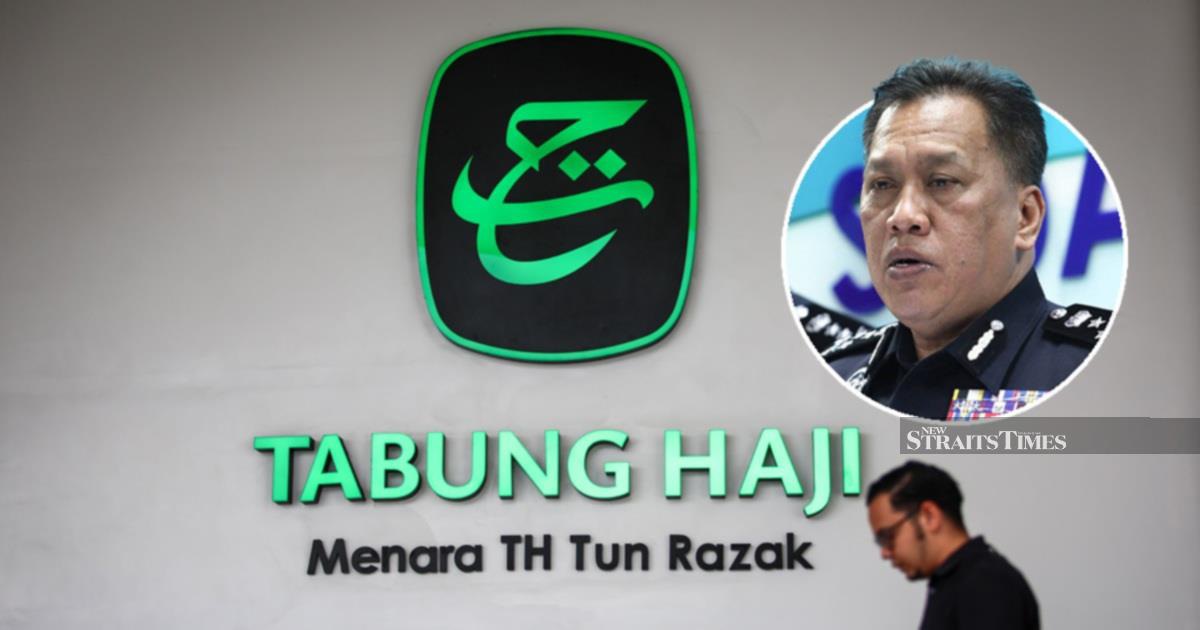
The Royal Malaysian Police have now accumulated statements from 134 witnesses in their ongoing investigation stemming from the Royal Commission of Inquiry's damaging report on Lembaga Tabung Haji, with ten additional individuals recently providing testimony. This expansion of the witness pool underscores the scope and complexity of the police probe as authorities work through the extensive findings and recommendations contained in the RCI report that examined governance and financial management issues at the pilgrimage savings institution.
The scale of witness documentation indicates that investigators are methodically building a comprehensive evidentiary foundation before deciding on potential criminal charges. Each statement represents an opportunity to corroborate details, establish timelines, and identify individuals who may have played roles in the matters flagged by the commission. The recent addition of ten witnesses suggests the investigation remains active and fluid, with police potentially pursuing new leads or addressing gaps identified in earlier interviews.
Tabung Haji holds profound significance in Malaysian society as the primary institution through which Muslim citizens save for the Hajj pilgrimage. The institution manages billions in ringgit and has cultivated considerable public trust over decades. Allegations of mismanagement or impropriety therefore strike at the heart of public confidence in a nationally cherished financial entity. For Malaysian Muslims specifically, the integrity of Tabung Haji directly affects their ability to fulfill one of Islam's five pillars, making governance failures at the organisation not merely financial scandals but matters touching religious obligation and personal aspiration.
The RCI's investigation into Tabung Haji emerged from growing concerns about the organisation's financial performance, investment strategies, and decision-making processes. Several high-profile business ventures went awry, depleting reserves and raising questions about oversight and accountability at board and management levels. The commission's work represented an attempt to establish facts impartially and provide closure on questions that had circulated within financial and political circles for considerable time.
Police engagement with such a large cohort of witnesses reflects the complexity inherent in financial investigations involving institutional misconduct. Statements must be carefully cross-referenced to establish what transpired, when it occurred, who was aware of developments, and what decisions were taken at critical junctures. The hierarchical nature of institutional wrongdoing means that investigators typically need multiple perspectives to understand how decisions cascade through organisations and where accountability ultimately lies.
The ten recently called witnesses are particularly noteworthy as they suggest investigative momentum continues. Police may have identified these individuals through cross-referencing earlier statements, discovering documentary evidence that raises new questions, or obtaining information from related investigations. Alternatively, prosecutors may have indicated that additional testimony is required to strengthen potential cases against specific individuals already identified through the inquiry process.
For Malaysia's broader economic governance agenda, the Tabung Haji investigation carries implications extending beyond the institution itself. Regulatory bodies overseeing financial institutions are watching closely to understand what systemic weaknesses permitted the alleged failings to occur. Government-linked companies and statutory bodies nationwide may face increased scrutiny regarding governance frameworks, investment approval processes, and reporting structures. The investigation thus functions as a potential catalyst for strengthening institutional accountability mechanisms across the public sector.
The RCI report itself would have identified specific findings and recommendations, potentially naming individuals whose conduct warranted further examination. Police statements from these 134 witnesses represent the procedural bridge between the commission's investigative conclusions and any criminal prosecutions that may follow. Each statement must satisfy legal standards for admissibility and credibility, providing grounds for pursuing charges under relevant legislation covering fraud, breach of trust, abuse of authority, or other applicable offences.
From a Southeast Asian perspective, Malaysia's handling of the Tabung Haji matter demonstrates institutional willingness to investigate governance failures within prominent national organisations. Singapore's approach to similar cases has established regional benchmarks for rigorous investigation and prosecution of misconduct involving public institutions. Thailand and Indonesia have faced comparable challenges in holding institutional leadership accountable. Malaysia's visible police engagement through documented witness statements signals to both domestic and regional audiences that accountability mechanisms, while sometimes slow to activate, do ultimately function.
The involvement of 134 witnesses also reflects practical investigative realities. Statements must be obtained from employees at various organisational levels, external consultants who advised the institution, board members who provided oversight, investment managers handling funds, auditors conducting reviews, and others with knowledge of decisions and transactions. Each witness provides pieces of an institutional puzzle that investigators must assemble into coherent narratives supporting potential charges.
As police continue recording statements, the investigation demonstrates that the RCI process, while creating public accountability and establishing factual records, represents merely one phase in addressing institutional misconduct. Formal investigation and potential prosecution constitute the subsequent phases. For Malaysian citizens who placed savings into Tabung Haji expecting prudent stewardship of their resources, the ongoing police work offers at least the possibility that individuals found responsible might ultimately face legal consequences. Whether these 134 statements ultimately lead to criminal charges remains to be determined, but their accumulation indicates that investigations are progressing methodically through what appears to be an extraordinarily complex institutional case.

