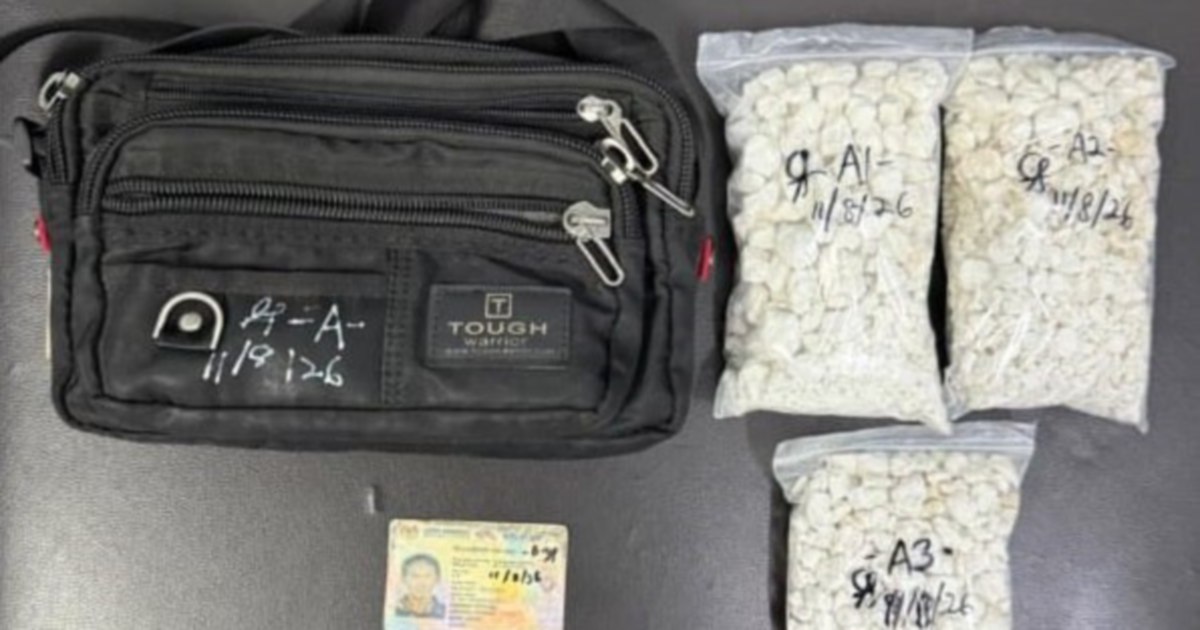
A coordinated narcotics operation in the Simpang Renggam area has resulted in significant seizures and one arrest, continuing law enforcement's intensified push against illicit drug circulation in Johor. The early morning raid, conducted by police personnel based in Kluang, led to the discovery of 1.055 kilograms of heroin with an estimated street value of RM10,128. The apprehended individual, a 42-year-old male, now faces investigation under relevant narcotics legislation as authorities move forward with their probe into the circumstances surrounding the discovery.
The operational success reflects the persistent strategy adopted by the Johor police contingent to disrupt drug supply networks operating within the state. Simpang Renggam, a location that has periodically featured in law enforcement operations, remains a focus area for authorities attempting to stem the flow of controlled substances into local communities. The early timing of the raid—executed during dawn hours when criminal networks are typically less vigilant—appears to have yielded positive results, with officers securing the contraband before suspects could dispose of evidence or flee the scene.
Heroin continues to represent a significant public health and security challenge across Malaysia. The substance, derived from morphine and highly addictive, remains a priority enforcement target for both federal and state police commands. The RM10,128 valuation assigned to the recovered shipment provides insight into the financial incentives driving trafficking operations, with drug networks viewing the high profit margins as justification for the considerable risks involved. Each successful seizure, however modest in absolute terms, represents potential doses prevented from reaching vulnerable populations and disrupts the economic viability of supply chains.
The arrest of the 42-year-old suspect opens an investigative pathway that authorities will likely pursue to identify upstream suppliers and downstream distributors. Police interrogation and evidence gathering may reveal the source of the heroin, its intended final destination, and the broader network within which this individual operated. Such intelligence-gathering exercises frequently lead to cascading arrests as law enforcement maps the organisational structure of trafficking organisations. The suspect's age and the apparent scale of the operation suggest he may occupy a mid-level role in a larger distribution hierarchy rather than acting as an independent operator.
Johor, as Malaysia's second-largest state by population and a major economic hub with significant port and land-border infrastructure, faces particular vulnerabilities to drug trafficking. The state's extensive transportation networks and its position as a transit corridor between Singapore and peninsular Malaysia make it strategically valuable for criminal organisations moving narcotics throughout the region. Police resources have accordingly been mobilised to target high-risk areas and suspected trafficking hotspots, with Simpang Renggam's inclusion in enforcement priorities reflecting threat assessments conducted by intelligence units.
The heroin seizure underscores a broader regional drug trafficking phenomenon affecting Southeast Asia. Synthetic and natural opioids originating from multiple sources—including heroin refined in clandestine laboratories in neighbouring countries—enter Malaysia through various smuggling routes. The downstream consequences extend beyond individual addiction, affecting public health infrastructure, straining rehabilitation services, and contributing to associated crimes including theft and violence. Each successful interdiction thus carries implications that extend well beyond the immediate criminal case.
Front-line police operations such as the Simpang Renggam raid represent only one component of Malaysia's multifaceted counter-narcotics approach. Complementary strategies encompassing international cooperation, port security enhancements, rehabilitation programme expansion, and community awareness initiatives collectively address the drug challenge from multiple angles. However, enforcement operations remain essential, as they directly prevent harmful substances from reaching users and impose operational costs on criminal enterprises that manufacture and distribute contraband.
The investigation into this case will proceed through established procedural channels, with forensic analysis confirming the chemical composition and purity of the seized material. The suspect will be produced before the courts, where bail and remand decisions will be determined by judicial officers. Depending on the quantity and evidence of intent, charges may range from simple possession to trafficking under the Dangerous Drugs Act 1952, with sentencing guidelines reflecting the legislative severity assigned to heroin offences. Malaysian courts have historically imposed substantial custodial sentences for traffickers, particularly those handling quantities exceeding nominal personal consumption thresholds.
From a broader law enforcement perspective, this operation demonstrates the sustained commitment of Johor police to maintain operational momentum against narcotics distribution. Periodic success announcements serve multiple functions: they reassure the public of ongoing protective efforts, they communicate deterrent messages to potential offenders, and they provide tactical feedback regarding effective enforcement methodologies. The regularity of such seizure reports, however, also reflects the persistent supply pressures and demand drivers that ensure trafficking networks continue attempting to establish market footholds throughout the peninsula.
Communities in Simpang Renggam and surrounding districts may view the operation as a positive enforcement outcome, potentially increasing confidence in police responsiveness to drug-related concerns. Residents' willingness to provide intelligence to authorities regarding suspected trafficking activities often proves crucial to investigative success. The visible demonstration of police capability and activity thus potentially strengthens public-police cooperation, creating positive feedback loops that enhance law enforcement effectiveness. However, sustained and coordinated efforts across multiple jurisdictions remain necessary to meaningfully reduce heroin circulation and associated harms.

