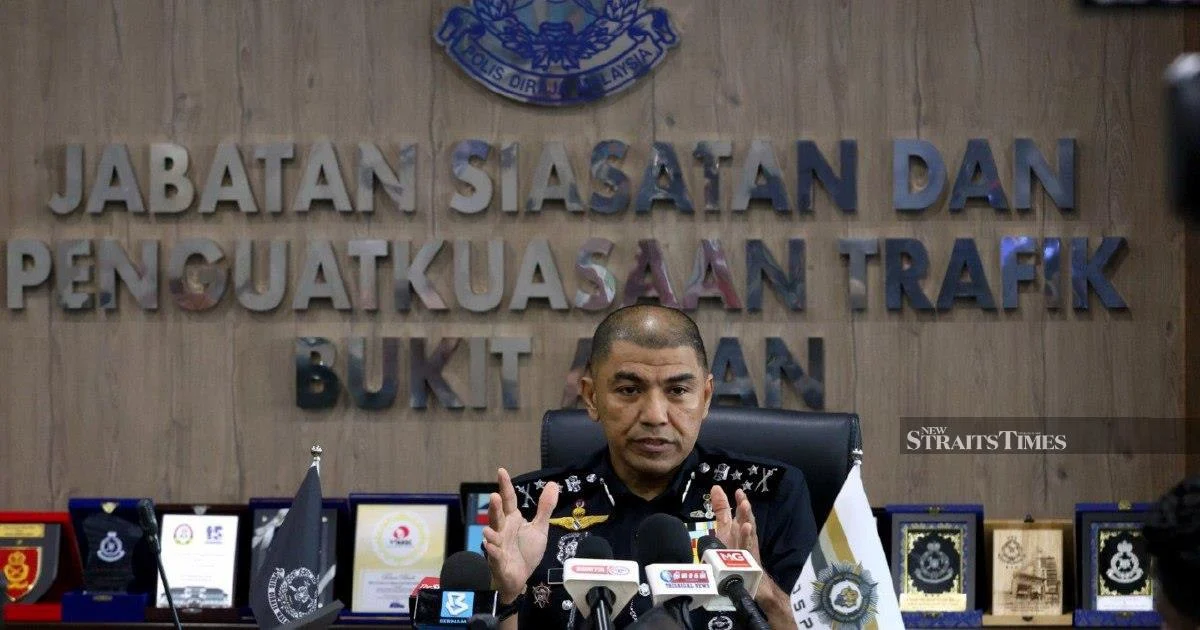
The Royal Malaysia Police concluded a comprehensive three-month integrated enforcement operation that resulted in 121 arrests of commercial vehicle drivers suspected of operating vehicles while under the influence of drugs. The crackdown, conducted nationwide across multiple jurisdictions, reflects growing alarm within enforcement agencies about the prevalence of substance abuse among operators of lorries, buses, and other commercial transport. These arrests represent a significant public safety concern, as impaired driving of large vehicles poses substantial risks not only to the drivers themselves but to other road users sharing Malaysia's increasingly congested highways and urban thoroughfares.
The operation was designed as a multi-agency effort, incorporating coordination between traffic police units, narcotics divisions, and transport enforcement authorities. Rather than focusing on isolated checkpoints, the integrated approach allowed authorities to cast a wider net across the country, identifying patterns of substance abuse among professional drivers that might otherwise remain hidden. This systematic methodology appears intended to move beyond reactive enforcement toward a more strategic identification of high-risk corridors and transit hubs where drug-related impairment among commercial operators presents the greatest danger.
Drug-impaired driving among commercial vehicle operators presents unique challenges compared to private motorists. Heavy vehicle drivers operate machines weighing many tonnes, often navigating complex traffic situations while fatigued from extended working hours. When compounded by substance abuse, whether stimulants to combat drowsiness or recreational drugs affecting cognition and reaction time, the consequences become catastrophically amplified. A single impaired commercial driver losing control at highway speeds creates potential for multi-vehicle collisions with devastating casualty counts, making this issue particularly pressing for road safety planners and policymakers.
The three-month duration of the operation suggests this was not a rushed initiative but rather a sustained, methodical campaign designed to thoroughly investigate suspected offenders. Authorities likely deployed undercover surveillance, roadside testing facilities, and intelligence-gathering to identify drivers operating under influence. The specific focus on commercial vehicle drivers indicates that enforcement agencies have identified this demographic as particularly vulnerable to substance abuse, whether driven by pressure to maintain punishing schedules, peer influence within transport communities, or accessibility to certain drugs at transport hubs and rest stops.
Malaysia's road safety record has long been a concern among regional observers, with fatality and injury rates frequently exceeding those of comparable economies. Commercial vehicle accidents, particularly those involving long-distance lorries and buses, have contributed disproportionately to severe outcomes. In several high-profile incidents over recent years, inadequate driver fitness—whether through fatigue, intoxication, or illness—has been identified as causal factors in multiple-casualty crashes. This operation therefore addresses a known vulnerability in Malaysia's road safety ecosystem.
The arrests raise important questions about workplace conditions and employer responsibilities within the commercial transport sector. Many operators of heavy vehicles in Malaysia work within economic systems that incentivize speed and efficiency over adequate rest periods. Fatigue-related performance degradation can create pressure on drivers to use stimulant substances to maintain productivity, establishing a vicious cycle of drug dependency and escalating risk. Transport operators and logistics companies will likely face increased scrutiny regarding their duty of care toward road safety and their responsibility to ensure drivers are fit to operate vehicles.
From a regional perspective, Malaysia's enforcement against impaired commercial drivers carries implications for cross-border transport throughout Southeast Asia. Malaysia functions as a major transit hub for regional trade, with commercial vehicles regularly traversing borders into Thailand, Singapore, and Brunei. Coordinating enforcement standards and information-sharing regarding impaired drivers with neighbouring authorities could enhance safety across the entire region's road networks. The initiative potentially serves as a model for other Southeast Asian nations grappling with similar challenges.
The outcome of prosecutions against these 121 drivers will significantly influence future enforcement strategy and deterrence effectiveness. Penalties must be sufficiently stringent to deter substance abuse among professional drivers, potentially including licence suspension, substantial fines, and mandatory rehabilitation programs. Courts will play a crucial role in signalling that operating commercial vehicles while impaired represents a serious breach of public trust and individual responsibility. Vehicle owners and transport companies may also face liability if negligent hiring or inadequate safety monitoring contributed to driver substance abuse.
Looking forward, this operation highlights the necessity for comprehensive approaches extending beyond enforcement alone. Road safety requires attention to driver education, substance abuse prevention and treatment resources, workplace regulation ensuring reasonable working hours, and community awareness campaigns targeting both drivers and the general public. Integration of roadside drug testing technology, similar to alcohol screening, could enhance authorities' capacity to identify impaired drivers more efficiently. Additionally, cooperation with the commercial transport industry in developing workplace policies around substance abuse may yield better preventive outcomes than enforcement alone can achieve.
The three-month operation ultimately demonstrates commitment from Malaysian law enforcement to addressing a critical road safety issue, but sustained attention will be necessary to maintain progress. Regular, ongoing enforcement campaigns combined with broader systemic reforms addressing root causes of substance abuse among commercial drivers offer the most promising pathway toward reducing drug-impaired driving incidents and the tragic consequences they produce on Malaysian roads.

