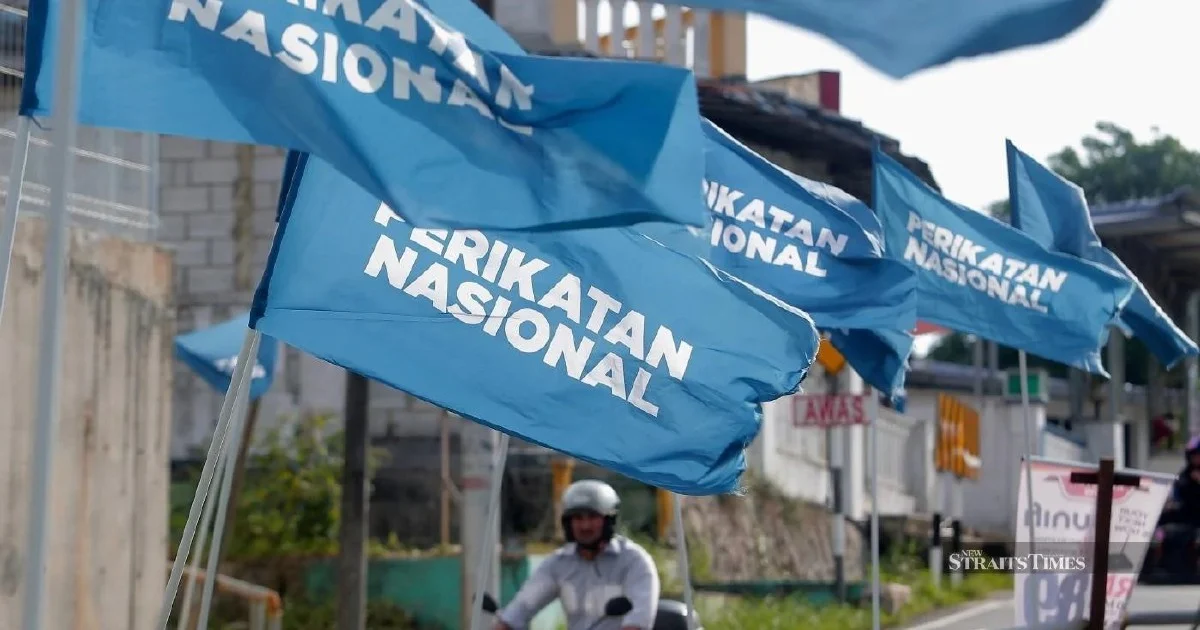
Perikatan Nasional has moved swiftly to debunk viral social media claims suggesting the opposition coalition plans to sit out the upcoming Johor state election, with deputy chairman P. Punithan categorically dismissing the narrative as completely fabricated.
The false statement had gained traction online, prompting the coalition to issue a public clarification. Such misinformation campaigns are increasingly common in Malaysian politics, where unverified claims can spread rapidly across messaging platforms and social networks before being fact-checked. The PN's intervention reflects growing concern about the weaponisation of disinformation ahead of state-level contests, particularly in Johor, traditionally a significant electoral battleground.
Johor remains a strategically vital state in Malaysia's political landscape. The state has historically influenced national political trajectories and commands substantial parliamentary representation. Any coalition withdrawal from the state would represent a dramatic political miscalculation and effectively surrender electoral ground to competing blocs. PN's emphatic denial underscores the coalition's commitment to contesting all available seats across the state, signalling serious competitive intent regardless of previous electoral performance.
The coalition, which comprises Parti Islam Se-Malaysia (PAS), Bersatu, and allied parties, has been recalibrating its electoral strategy following recent national outcomes. While PN made significant gains in the 2022 general election and subsequent state contests, maintaining momentum requires continued aggressive engagement across all major states. Withdrawing from Johor would contradict this trajectory and severely damage the coalition's credibility with its voter base and party machinery.
Misinformation targeting political organisations has become endemic in Malaysian politics. Fabricated statements attributed to senior officials or party bodies circulate frequently, often designed to sow confusion, damage reputation, or demoralise supporters. The speed at which false claims propagate through WhatsApp groups, Telegram channels, and social media platforms creates significant challenges for fact-checking and public clarity. Political parties increasingly must dedicate resources to rapid rebuttal and counter-messaging simply to maintain narrative control.
The timing of such rumours is rarely coincidental. Pre-election periods, when voter sentiment remains fluid and campaign dynamics shift daily, offer peak opportunities for malicious actors to inject doubt and uncertainty. By circulating claims about coalition strategies or perceived weakness, competitors or bad-faith actors attempt to exploit existing political divisions and create openings for their own electoral gains. PN's swift public response demonstrates awareness of these tactical realities.
For Malaysia's broader political environment, the prevalence of election-related disinformation raises important questions about information integrity and public discourse quality. Voters increasingly struggle to distinguish verified information from sophisticated falsehoods, potentially undermining informed electoral participation. The burden of combating misinformation has fallen heavily on political parties themselves, though this creates obvious credibility challenges when organisations must effectively fact-check claims about their own behaviour and intentions.
Johor's strategic importance cannot be overstated in the context of PN's national ambitions. The state encompasses numerous parliamentary constituencies and commands significant electoral weight. PN's presence and competitive showing in Johor directly impacts the coalition's ability to build parliamentary majorities or establish itself as a serious alternative to the current federal government. Any perception of weakness or withdrawal in the state would immediately undermine PN's credentials as a viable national force.
The incident also highlights how digital communication technologies have transformed political conflict. Unlike previous eras when misinformation required more deliberate distribution channels, contemporary false claims propagate through decentralised networks with minimal friction. A single fabricated statement can reach millions within hours, generating responses, counter-responses, and fragmented public understanding before authoritative correction can take hold. Political organisations must now operate within information environments of unprecedented complexity and volatility.
P. Punithan's public intervention serves multiple functions simultaneously. It formally corrects the record, preserving PN's public image and clarifying the coalition's genuine electoral intentions. It simultaneously demonstrates party responsiveness and vigilance to potential internal supporters concerned about misinformation. For rival coalitions or neutral observers, the emphatic denial reinforces expectations that PN will contest Johor vigorously, potentially influencing strategic calculations across the competitive landscape.
Moving forward, the Johor electoral contest will likely intensify as election timing crystallises and campaign machinery accelerates. PN's demonstrated willingness to actively counter false narratives suggests the coalition intends robust engagement across all available battlegrounds. For Malaysian voters and observers, distinguishing genuine political information from deliberate fabrication will remain a critical challenge requiring careful assessment of sources and official party communications rather than reliance on unverified social media claims.