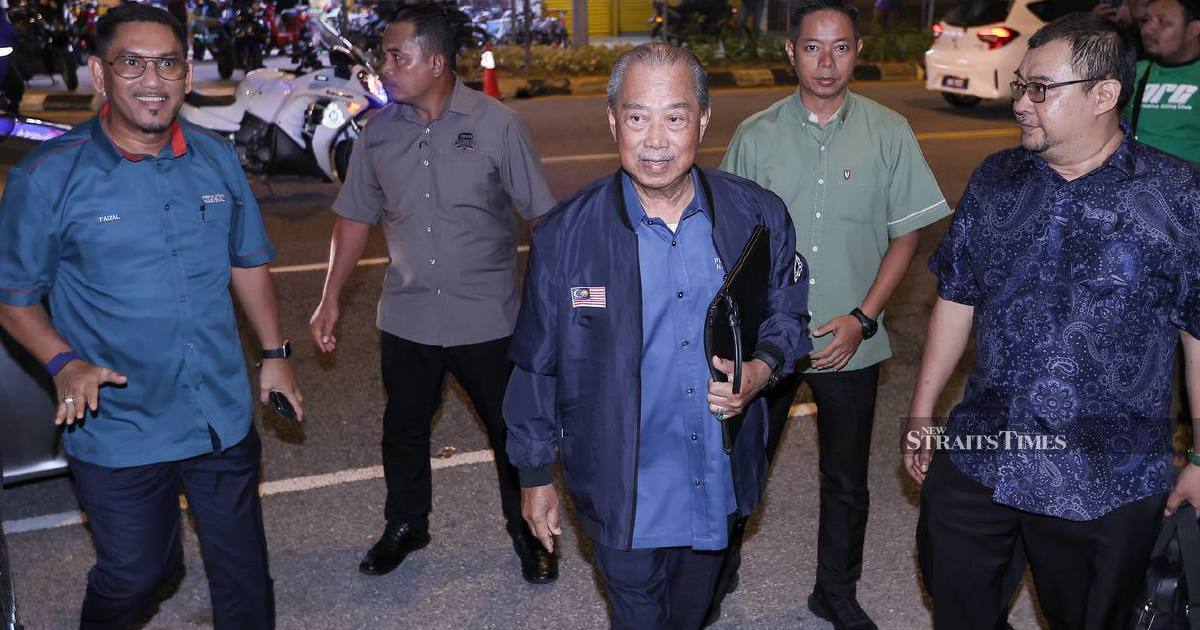
The opposition coalition Perikatan Nasional summoned its top leadership to PAS headquarters in Kuala Lumpur for an unscheduled emergency Supreme Council meeting, signalling mounting pressure on the alliance to address critical policy or organisational matters. The gathering brings together senior figures from the three-party coalition—PAS, Bersatu, and Gerakan—underscoring the urgency of issues demanding collective deliberation at the highest decision-making level.
Since its formation in 2020, Perikatan Nasional has positioned itself as a counterweight to the ruling Pakatan Harapan coalition, particularly through its strong showing in the 2022 general election where it emerged as the second-largest bloc in Parliament. However, the coalition has faced persistent internal tensions and structural challenges that periodically necessitate high-level intervention. The decision to convene an emergency session typically signals that routine party mechanisms are insufficient to resolve the matter at hand, whether pertaining to parliamentary strategy, internal discipline, inter-party disputes, or responses to government policy initiatives.
The timing of the meeting reflects the volatile nature of Malaysian politics, where coalitions must maintain cohesion amid competing party interests and the fluid allegiances of independent parliamentarians. PN's constituent parties—each with distinct ideological foundations and voter bases—must navigate differences whilst projecting a unified front to remain credible as a government-in-waiting. PAS, the largest component with strong rural support and Islamic-centric messaging, frequently diverges from Bersatu and Gerakan on certain issues, creating friction within the alliance structure.
The emergency convocation at PAS headquarters rather than a neutral venue may carry symbolic weight, particularly for observers tracking internal power dynamics within the coalition. As the numerically strongest component and spiritual leader of the conservative bloc, PAS's venue choice could reflect its pivotal role in the matters under discussion, or simply reflect logistical convenience given the late-evening scheduling. The decision to hold proceedings at party headquarters rather than Parliament-related facilities suggests the agenda extends beyond immediate legislative concerns.
For Malaysian political observers, PN's periodic emergency gatherings provide windows into how opposition coalitions manage internal governance when external pressures mount. Unlike ruling coalitions, which benefit from access to state machinery and administrative resources, opposition alliances must rely almost entirely on ideological alignment and perceived electoral viability to maintain unity. Any hint of fracturing can rapidly diminish public confidence and attract defections, as Malaysian politicians frequently shift allegiances in response to changing electoral calculations.
Regionally, the strength of opposition coalitions in Southeast Asian democracies carries implications for competitive politics more broadly. A fragmented PN would potentially consolidate government dominance and reduce checks on executive power, whilst a cohesive opposition strengthens parliamentary democracy. The coalition's ability to present unified positions on economic policy, defence and security matters, and regional relations influences Malaysia's diplomatic posture and parliamentary scrutiny of government action.
The emergency session also occurs within the context of Malaysia's broader political evolution following the 2022 general election, which fundamentally altered the landscape by producing a hung Parliament and forcing unprecedented power-sharing arrangements. Perikatan Nasional's role as the second force in Parliament has grown in importance, with its voting patterns occasionally proving decisive on contentious legislative matters. This structural significance places heightened pressure on the coalition to maintain internal discipline, lest strategic disagreements translate into parliamentary voting surprises.
Within PN's component parties, the emergency meeting likely involves discussions requiring leadership consensus before public statements or parliamentary actions. Whether addressing responses to government Bills, managing internal disciplinary matters, resolving inter-party resource allocation, or coordinating electoral strategy, the Supreme Council represents the mechanism through which coalition-wide decisions are legitimised and enforced among member parties and their respective legislators.
For Malaysian voters and analysts tracking opposition development, such emergency sessions offer indicators of coalition health. Frequent high-level interventions might suggest chronic instability, whilst their absence could indicate either smooth functioning or, conversely, a coalition too fractured to maintain even nominal coordination structures. The perception of competent internal governance significantly influences electoral calculations, as Malaysian voters consider whether opposition coalitions possess the organisational capacity and internal cohesion necessary to govern effectively should they win electoral mandate.
The Kuala Lumpur gathering therefore represents more than a routine administrative meeting—it constitutes a test of PN's capacity to resolve issues through consensus-building and internal arbitration. How the coalition navigates whatever challenges prompted the emergency session will reverberate through Malaysian political calculations, influencing both intra-coalition dynamics and broader assessments of whether opposition coalitions can offer credible alternative governance in Malaysia's increasingly competitive political environment.