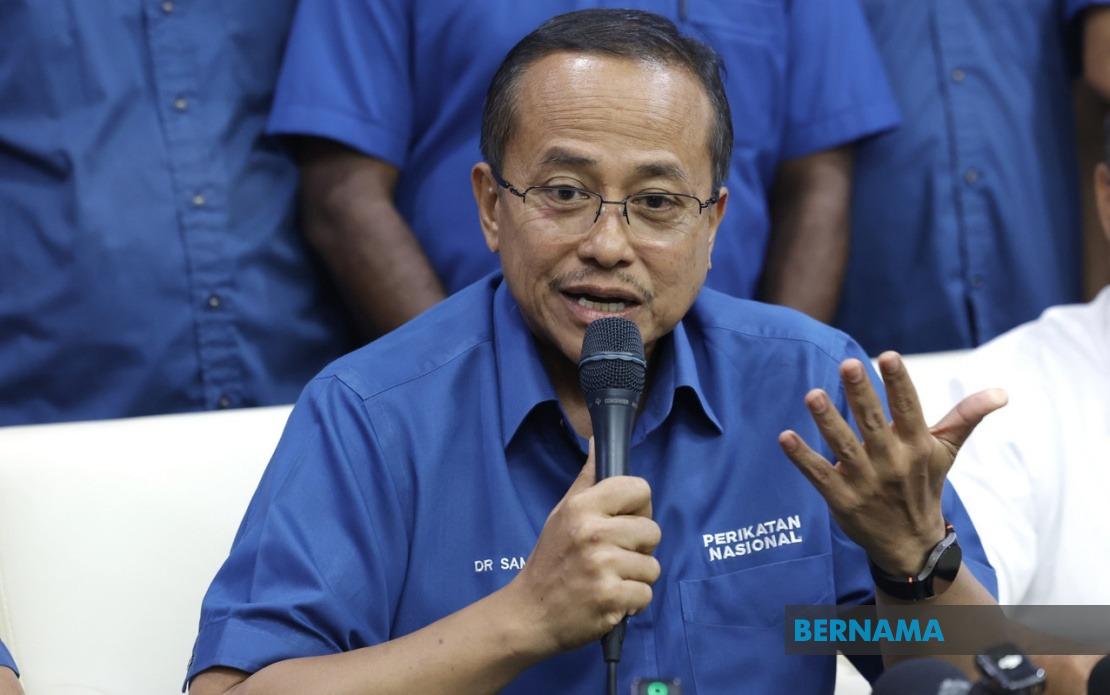
Perikatan Nasional has formally approved its electoral strategy for the Negeri Sembilan state election, moving ahead with a unified coalition approach that could reshape the political landscape in one of Malaysia's key swing states. The PN Supreme Council, convening for a special session in Seremban on July 16, signed off on seat allocations among its four component parties and endorsed the pivotal decision that every PN-backed candidate would contest under the coalition's single logo rather than individual party symbols.
The coalition's leadership, represented by chairman Datuk Seri Dr Ahmad Samsuri Mokhtar, framed the move as part of a broader commitment to advancing Negeri Sembilan's development while safeguarding communal stability in the state and across the country. This messaging strategy reflects how PN is positioning itself as a stability-focused force, distinct from its rivals. The decision to field candidates under a unified banner represents a calculated effort to present voters with a consolidated choice, potentially amplifying PN's electoral appeal in an environment where coalition discipline and coherence matter significantly to undecided voters.
The seat distribution involves PAS, Gerakan, Wawasan, and MIPP, creating a multi-ethnic and multi-ideological coalition structure. This composition is noteworthy because it attempts to bridge Malay-Muslim and non-Muslim electoral segments through institutional power-sharing, a formula that has historically offered PN competitive advantages in states where demographic diversity requires coalition management. By locking in these arrangements at the supreme council level, PN has signalled that negotiated settlements have been concluded and that component parties are committed to the framework, at least nominally.
However, the announcement immediately highlighted a significant fracture within the broader opposition movement. Bersatu, which had been loosely affiliated with PN politics, found itself sidelined from the seat-allocation discussions. Bersatu president Tan Sri Muhyiddin Yassin responded by asserting that his party had not been consulted on PN's allocation decisions or on broader cooperation architecture involving Barisan Nasional. This exclusion prompted Bersatu to take the path of independent candidacy, with the party opting to field its own candidates under the Bersatu logo. The move signals that Bersatu, despite its historical role in Malaysian political transitions, has been relegated to the margins of the Negeri Sembilan contest.
Dr Ahmad Samsuri's clarification that all preliminary discussions and engagements had been conducted under his oversight as PN chairman speaks to the centralized decision-making structure within the coalition. His statement appears designed to quell any suggestions that component parties had acted unilaterally or that the seat-sharing outcome was imposed without proper consultation. By emphasizing that the Supreme Council had endorsed the arrangements, PN's leadership was reinforcing institutional legitimacy and attempting to preempt internal dissent among party cadres who might have felt their units were underrepresented in candidate selection.
The decision to contest under a single coalition logo, rather than allowing each party to use its own symbol, represents a strategic shift in how PN has historically presented itself to voters. In previous contests, component parties often retained their individual branding, which allowed voters to express preferences for particular parties within the coalition framework. This time, PN has opted for a more integrated visual identity, effectively asking voters to endorse the coalition as a whole. This approach can be advantageous in mobilizing party loyalists and creating a unified campaign narrative, but it also risks diluting the distinctiveness of individual parties and potentially frustrating party activists who derive organizational identity from their party symbols.
For Negeri Sembilan, the election holds particular significance in the broader Malaysian political calculus. The state has historically functioned as a barometer of voter sentiment in the central region, and its outcomes often foreshadow broader electoral trends. PN's decision to field a comprehensive slate under coalition branding suggests the leadership views Negeri Sembilan as winnable and worth the investment of organizational resources. The inclusion of Gerakan, which has struggled to maintain political relevance in recent years, indicates PN's willingness to offer space to historically significant parties as part of its coalition-building strategy.
The stated emphasis on championing welfare, driving development, and preserving harmony reflects how PN intends to frame its electoral messaging. Rather than focusing on ideological distinctions or personality-driven politics, the coalition is positioning itself as the pragmatic choice for economic advancement and social cohesion. This framing may resonate with voters fatigued by political polarization and seeking stability, though it also suggests PN recognizes that pure ideological appeals may have limited traction in a diverse state electorate.
Muhyiddin's public assertion that Bersatu was excluded from discussions introduces an element of political theater into the campaign dynamics. By announcing that Bersatu would contest independently, Muhyiddin may be attempting to salvage party credibility and mobilize Bersatu's remaining organizational base. However, this fragmentation of the opposition also raises questions about whether the broader opposition movement can maintain electoral coherence or whether divisions at the coalition and party levels will be exploited by rivals. The Negeri Sembilan contest thus becomes a case study in how Malaysian political alignments are shifting, with traditional coalitional partners either consolidating or splitting off.
The approval of candidate names, scheduled to be announced following the council meeting, will reveal the actual distribution of nominations across constituencies and indicate which parties within PN received the most favorable allocations. The relative number of winnable seats allocated to each party will speak volumes about internal coalition power dynamics and could foreshadow tensions as campaign season progresses. Competition for nomination even within coalition frameworks frequently generates friction, and the actual candidate list may illuminate whether all component parties accepted the allocation framework voluntarily or under pressure from PN's central authority.
Looking forward, the Negeri Sembilan election will test whether PN's unified branding strategy generates electoral dividends or whether it obscures component parties' distinct identities to their detriment. Simultaneously, Bersatu's decision to contest separately will determine whether the party can recover ground it may have lost through political realignment and coalition repositioning. The contest will also reveal how voters in a key Malaysian state respond to coalition politics versus more fragmented opposition competition, particularly in an environment where economic concerns, development prospects, and communal harmony feature prominently in electoral consciousness.

