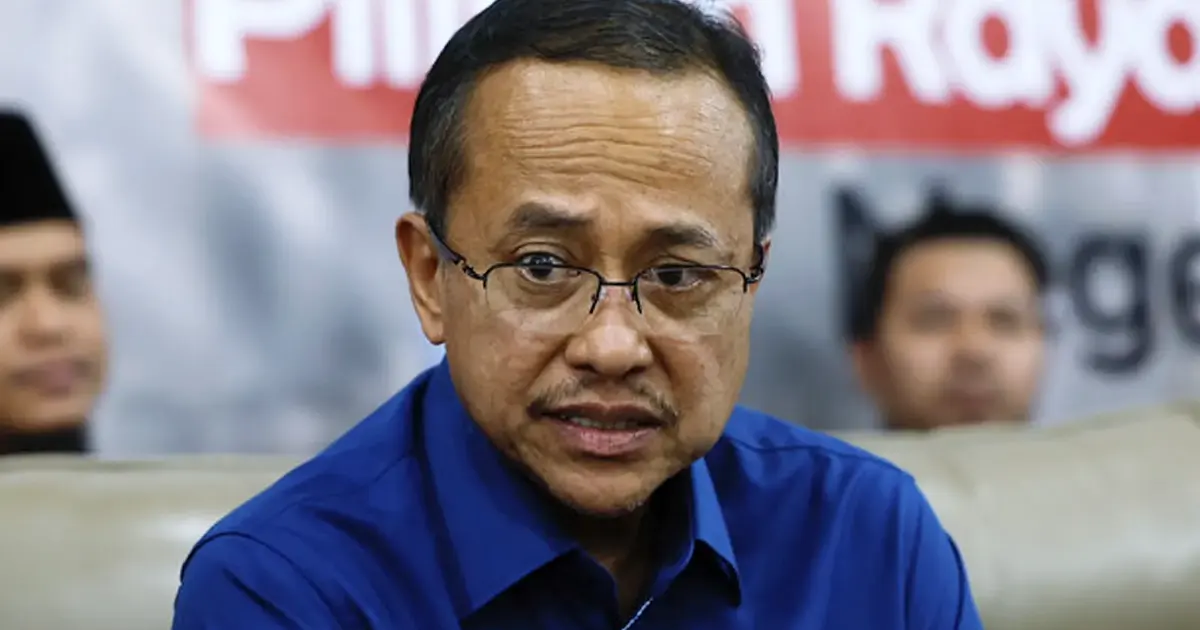
Perikatan Nasional chairman Samsuri Mohamad has moved to quell rising concerns about the practical implications of allowing both PAS and Bersatu to contest elections under the coalition's shared logo, asserting that careful constituency division ensures there will be no voter confusion. The reassurance comes as Malaysia's opposition coalition gears up for potential electoral contests, with the logo-sharing arrangement reflecting the coalition's intention to present a unified front across the political landscape.
The chairman's statement underscores a carefully choreographed approach to managing the coalition's two largest components. By deploying the same electoral symbol, Perikatan Nasional aims to project organisational strength and consolidated messaging to voters. However, the decision has sparked questions among political observers about how voters in individual constituencies will distinguish between PAS and Bersatu candidates when both operate beneath the same visual identity. Samsuri's clarification suggests the coalition has mapped out a territorial allocation system designed to prevent direct competition between the parties.
This arrangement reflects deeper strategic calculations within Perikatan Nasional. PAS, the Islamist party with strong grassroots organisation particularly in the Malay-Muslim heartland, and Bersatu, the newer party with roots in former Prime Minister Mahathir Mohamad's political machine, each bring distinct voter bases and geographic strengths. Rather than viewing them as competitors, the coalition leadership appears to be leveraging their respective constituencies to maximise overall representation. The logo-sharing approach thus becomes a tool for presenting ideological coherence while maintaining practical electoral flexibility.
The question of electoral symbols carries particular weight in Malaysian politics, where many voters rely on visual cues to navigate ballot papers. The use of a unified logo by multiple parties within a coalition has precedents in Malaysian electoral history, though it remains a source of potential confusion in competitive constituencies. Samsuri's assertion that PAS and Bersatu are not contesting identical seats suggests the coalition has implemented a coordination mechanism to prevent internal cannibalism of votes, a persistent challenge for broad-based political alliances.
For Malaysian voters, particularly those less engaged in daily political developments, the implications of this arrangement warrant careful consideration. In constituencies where only one of the parties contests under the PN banner, the logo question becomes largely academic. However, the system relies on party machinery functioning smoothly and constituencies remaining uncontested by both parties—assumptions that can prove fragile when local political dynamics shift. Any breakdown in coordination could potentially result in the very confusion Samsuri is attempting to dismiss.
The arrangement also reflects Perikatan Nasional's broader positioning in Malaysian politics. As an opposition coalition assembled from multiple parties with distinct ideological moorings, the shared logo represents an attempt to create a cohesive alternative to the governing coalition. The visual unity conveyed by a single electoral symbol can influence voter perceptions of coalition coherence and governing readiness, particularly among undecided voters who might otherwise view the alliance as a loose arrangement of convenience.
From a Southeast Asian perspective, Malaysia's coalition management strategies offer interesting lessons in how multi-party systems balance unity with autonomy. Unlike some regional democracies where pre-election coalitions are relatively uncommon, Malaysian politics has long involved complex arrangements between parties operating with varying degrees of independence. Perikatan Nasional's logo-sharing approach sits within this tradition while pushing institutional creativity to new boundaries.
Samsuri's remarks also hint at the delicate trust arrangements underpinning opposition politics in Malaysia. Both PAS and Bersatu have significant stature within the coalition, and neither can be easily marginalised without risking the alliance's coherence. The shared logo decision therefore represents a compromise that allows both parties to present themselves as integral components of a unified political force, rather than subordinate partners. This symbolic equality can matter significantly in maintaining morale among party activists and retaining voter support.
Looking forward, the sustainability of this arrangement will depend on whether Perikatan Nasional can maintain consistent coordination across multiple election cycles. Political coalitions in Malaysia have historically experienced friction when electoral outcomes distribute seats unevenly or when parties perceive they have made unequal sacrifices. The logo-sharing system, by its nature, requires that the leadership continuously affirm that resource allocation and constituency assignment remain equitable and transparent.
The chairman's intervention also signals that Perikatan Nasional leadership is monitoring public discourse closely and willing to address potential weaknesses in the coalition's electoral architecture before they become liabilities. By proactively dismissing confusion concerns, Samsuri is attempting to frame the logo arrangement as evidence of strategic coherence rather than organisational ambiguity. Whether this framing will persuade voters and observers remains an open question as Malaysia continues navigating its complex political terrain.

