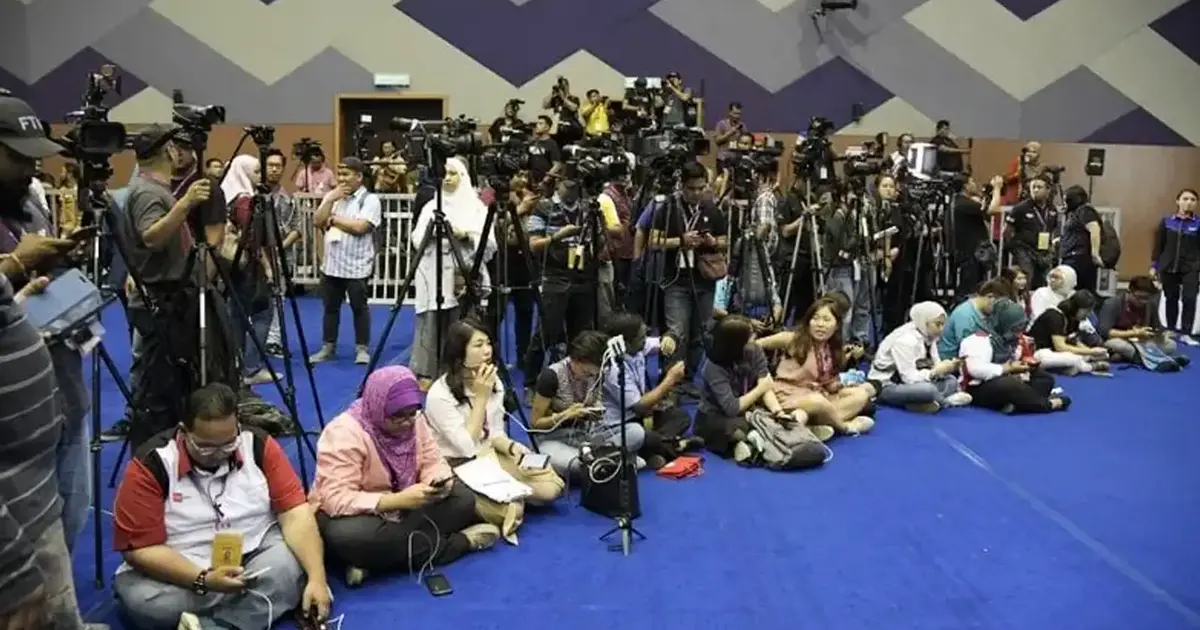
Prime Minister Anwar Ibrahim has established a formal framework for handling complaints against journalists, requiring that such allegations be channelled through the Malaysian Media Council before any investigation or enforcement action can be authorised. The initiative represents an attempt to balance public concerns about media accountability with the fundamental principles of press independence that remain essential to Malaysia's democratic functioning.
The mechanism effectively positions the MMC as a filter and preliminary arbiter in disputes between the government and news organisations. By mandating this intermediary step, the administration signals an intention to move away from direct confrontation and toward a more systematic approach to addressing grievances about journalistic conduct. This procedural requirement creates a buffer that protects editorial independence while simultaneously establishing clear pathways for legitimate complaints to be heard and assessed by a dedicated body.
For Malaysian readers accustomed to occasionally contentious relationships between political leadership and media outlets, this framework carries significant implications. Rather than allowing individual ministers or government agencies to initiate investigations directly—a practice that has historically raised concerns about political interference—the MMC mechanism introduces institutional oversight and institutional standards. The council, comprising media professionals and industry stakeholders, possesses both the expertise and relative autonomy to evaluate whether complaints have sufficient merit to warrant further action.
The establishment of this complaints protocol comes against a backdrop of persistent tensions between governments and the press across Southeast Asia. Malaysia's media landscape has experienced cycles of increased scrutiny and periodic clashes over editorial decisions, particularly during politically sensitive periods. This new arrangement attempts to formalise dispute resolution rather than permitting ad-hoc governmental responses that might be perceived as retaliation or intimidation.
Anwar Ibrahim's emphasis on fairness in scrutiny suggests recognition that both journalists and public officials have legitimate interests requiring protection. Journalists require assurance that their professional activities will not be subject to arbitrary investigation or punishment based on political disagreement. Simultaneously, government and citizens require mechanisms to address demonstrable breaches of professional standards, misinformation, or violations of established ethical guidelines. The MMC framework theoretically addresses both concerns by establishing standardised procedures.
The Malaysian Media Council, as the designated review body, carries significant responsibility under this arrangement. The council must develop sufficient capacity and demonstrate sufficient independence to evaluate complaints credibly. If the MMC is perceived as either rubber-stamping government complaints or dismissing legitimate concerns about journalistic standards, the mechanism will lose effectiveness and public trust. Transparency in the council's decision-making processes becomes crucial to establishing legitimacy.
This approach differs markedly from legal frameworks in some neighbouring countries where defamation claims or press regulation violations proceed directly through courts or government bodies. By inserting a professional industry body into the process, Malaysia's model acknowledges that not all disputes about journalism involve legal violations—many concern professional standards, editorial judgment, or questions of whether reporting serves the public interest adequately. The MMC is positioned to make these nuanced distinctions more effectively than formal legal mechanisms.
For media practitioners and news organisations operating in Malaysia, the framework provides both clarity and potential concerns. Clarity emerges from knowing that complaints will be assessed against established professional standards rather than arbitrary political preferences. Concerns arise if the MMC's independence is questioned or if the mechanism becomes weighted toward accommodating government grievances disproportionately. Media outlets will likely seek guarantees about resource access during investigations and assurance that MMC reviews operate transparently.
The international context matters here as well. Malaysia's regional standing partly depends on demonstrated commitments to press freedom and democratic governance. International media freedom assessments and rankings significantly influence foreign investment decisions, tourism, and diplomatic relationships. A complaints mechanism perceived as credible and fair contributes to positive international perception; one seen as a tool for suppressing critical reporting damages Malaysia's standing considerably.
Implementation details will ultimately determine whether this framework succeeds in its stated objective of ensuring fair scrutiny while protecting press independence. The Malaysian Media Council must establish clear criteria for complaint assessment, timelines for review, processes for gathering evidence, and procedures for communicating decisions to all parties. Without such specificity, even well-intentioned systems risk becoming vehicles for conflict rather than resolution.
Political leadership from the Prime Minister's office signalling support for the MMC mechanism may also influence how government agencies at lower levels interact with media outlets. If federal commitment translates into genuine deference to the council's processes, it could reduce instances of impromptu confrontations between officials and journalists. Conversely, if the mechanism becomes performative—with authorities pursuing enforcement actions while claiming to await MMC review—public confidence will erode rapidly.
Looking forward, the success of Anwar Ibrahim's media complaints framework will be judged by whether it genuinely protects press freedom while addressing real concerns about journalistic responsibility. For Malaysia's democratic development and regional credibility, achieving this balance is essential. The mechanisms put in place now will shape media-government relationships for years to come and influence how Malaysia addresses the perpetual tension between accountability and freedom that exists in all democratic societies.

