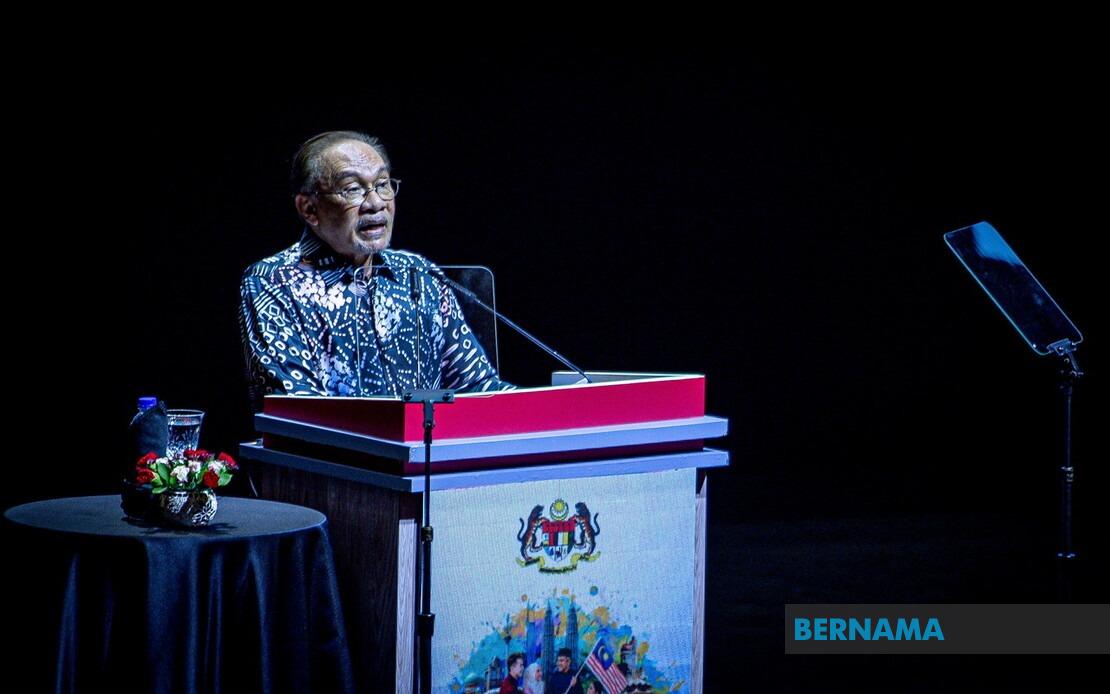
Prime Minister Datuk Seri Anwar Ibrahim outlined a six-pronged initiative on August 30 aimed at providing relief to Malaysians struggling with rising living expenses, delivering the announcements during the 2026 National Day Prime Minister's Address at the Putrajaya International Convention Centre. The measures, which encompass fuel subsidies, school maintenance grants, artificial intelligence initiatives, healthcare digitalisation, e-Invoicing systems, and microfinancing programs, will commence on September 1 and represent the government's direct response to persistent public concerns about affordability and daily economic pressures.
The Prime Minister acknowledged during his address that despite various existing government initiatives, the administration recognises it has not fully resolved the challenges ordinary Malaysians face. Rather than treating these announcements as a definitive solution, Anwar characterised them as tangible steps toward providing immediate relief, particularly for vulnerable groups including schoolchildren, young people, homemakers, and mothers who bear significant responsibility for household finances. This framing signals both an acceptance of ongoing challenges and a commitment to continuous policy adjustment based on public feedback.
The fuel subsidy component of the package directly addresses one of the most visible cost pressures affecting Malaysian households and businesses. Fuel costs ripple through the broader economy, influencing transportation expenses, food prices through supply chain costs, and overall inflation rates. By maintaining subsidies, the government attempts to stabilise this foundational cost element, though the approach reflects ongoing tension between fiscal sustainability and immediate relief provision. The effectiveness of this measure will partly depend on global crude oil price movements and Malaysia's ability to maintain subsidy levels without straining government finances.
School maintenance funding represents targeted support for education infrastructure, which indirectly benefits families by reducing educational expenses and ensuring better learning environments. Many Malaysian households struggle with education-related costs beyond tuition, including uniforms, transportation, and facility improvements. Government investment in this area potentially reduces out-of-pocket expenses for parents and improves service quality that benefits all students, particularly those from lower-income backgrounds who depend entirely on public school systems.
The artificial intelligence component reflects Malaysia's broader digital economy ambitions. Rather than purely addressing immediate cost-of-living concerns, this initiative positions the country to develop technological capabilities that could generate future economic opportunities and productivity improvements. As Southeast Asian economies increasingly compete on digital innovation, Malaysia's AI development efforts support long-term competitiveness and job creation, though the immediate cost-of-living impact may be less direct than other measures.
Healthcare digitalisation aims to modernise the medical system through technology adoption, potentially improving efficiency and reducing operational costs that could eventually translate into better service delivery and lower costs for patients. Digital health systems can reduce unnecessary appointments, streamline administrative processes, and enable better resource allocation across public healthcare facilities. For Malaysian families, improved healthcare accessibility and efficiency could mean reduced waiting times and lower out-of-pocket expenses for treatment.
The e-Invoicing implementation streamlines business transaction processes, reducing administrative costs for companies that ultimately can translate into better pricing for consumers. This measure particularly benefits small and medium-sized enterprises that currently bear significant compliance and administrative burdens. By digitising invoicing processes, the government reduces paperwork, improves tax compliance, and creates efficiencies throughout the supply chain that can benefit end consumers through more efficient pricing structures.
Microfinancing programs address access to credit for individuals and small entrepreneurs who struggle to obtain loans from traditional financial institutions. This initiative supports entrepreneurship, enables income generation, and provides financial flexibility for households managing cash flow challenges. For Malaysians seeking to start small businesses or manage unexpected expenses, improved microfinancing access offers pathways to economic resilience beyond government handouts.
Deputy Prime Minister Datuk Seri Dr Ahmad Zahid Hamidi, Communications Minister Datuk Seri Fahmi Fadzil, various Cabinet ministers, and Chief Secretary to the Government Tan Sri Shamsul Azri Abu Bakar attended the announcement, signalling whole-of-government coordination on the initiative. This broad ministerial participation suggests implementation involves multiple agencies and departments, emphasising the comprehensive nature of the approach.
The announcement's timing, delivered on the eve of Malaysia's National Day celebrations, reflects strategic political messaging that links government action to national pride and collective progress. By framing cost-of-living assistance as part of broader national development efforts, the government attempts to connect short-term relief with longer-term national ambitions, positioning itself as responsive to public concerns while maintaining focus on economic transformation.
For Southeast Asian observers, Malaysia's approach offers insights into how middle-income countries balance immediate social demands with fiscal responsibility and economic modernisation. The combination of traditional subsidies with digital transformation initiatives reflects tension between providing relief for current hardship and investing in future competitiveness, a challenge shared across the region as countries navigate post-pandemic economic pressures and rising living costs.
Implementation success will ultimately depend on execution quality across multiple government agencies, adequate funding allocation, and whether these measures demonstrably improve household finances. The government's willingness to announce additional measures suggests recognition that previous interventions, while necessary, have not fully satisfied public expectations, setting a precedent for ongoing policy adjustment if economic pressures persist.

