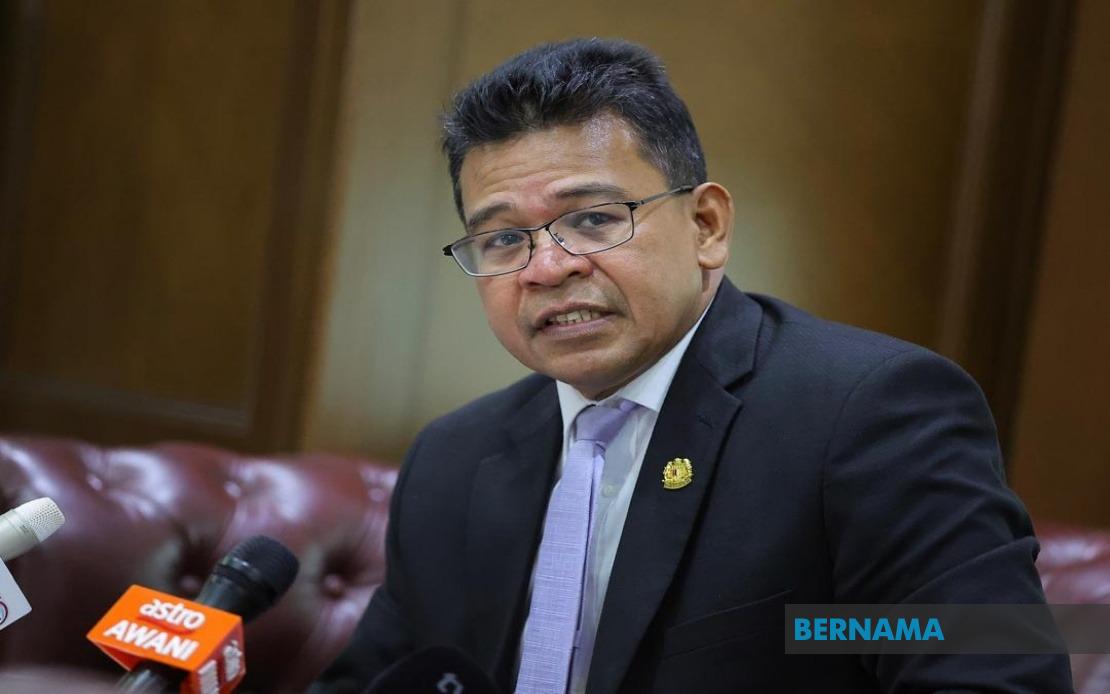
Prime Minister Datuk Seri Anwar Ibrahim will embark on a carefully scheduled two-day working visit to Brunei beginning August 21, where he will participate in the 27th Annual Leaders' Consultation alongside Sultan Hassanal Bolkiah. This visit represents a continuation of Malaysia's commitment to nurturing its relationship with its closest neighbour in the northern region of Borneo, reinforcing diplomatic ties that have evolved significantly since formal bilateral relations were established four decades ago.
According to Malaysian High Commissioner to Brunei Datuk Mohd Aini Atan, the annual leaders' consultation framework serves as the paramount mechanism through which Malaysia and Brunei conduct their highest-level bilateral engagement. This structured dialogue format enables both nations to move beyond routine diplomatic courtesy and address substantive matters affecting their shared interests and regional standing. The consultation provides a platform for comprehensive evaluation of cooperation achievements and the identification of new collaborative opportunities that benefit both populations.
During the forthcoming consultation, Anwar and Sultan Hassanal Bolkiah will conduct an in-depth assessment of how bilateral cooperation initiatives are progressing across multiple sectors. Beyond reviewing existing agreements and shared projects, the two leaders are expected to exchange perspectives on broader regional developments and international matters where Malaysia and Brunei maintain convergent positions. This engagement reflects the recognition that coordinated diplomatic positions strengthen both nations' influence within regional forums and international discourse.
The delegation accompanying the Prime Minister underscores the comprehensive nature of this visit. Foreign Minister Datuk Seri Mohamad Hasan will lead preliminary technical discussions, while the presence of Sarawak Premier Tan Sri Abang Johari Tun Openg and Sabah Chief Minister Datuk Seri Hajiji Noor signals that cross-border cooperation matters and issues affecting East Malaysian states will feature prominently. Minister of Investment, Trade and Industry Datuk Seri Johari Abdul Ghani will bring focus to economic dimensions, reflecting both nations' interest in deepening commercial linkages.
Prior to the main consultation, Mohamad Hasan will jointly chair the 27th Malaysia-Brunei Exchange of Letters Implementation Meeting alongside Brunei's Second Minister of Foreign Affairs, Datuk Seri Setia Erywan Mohd Yusof. This preparatory session will monitor implementation progress of previous bilateral agreements and examine outcomes from the 26th Annual Leaders' Consultation conducted in Putrajaya the previous year. Such technical groundwork ensures that the leaders' meeting addresses substantive updates on cooperation rather than merely reaffirming commitments.
A significant outcome anticipated from this visit is the formal signing of a Memorandum of Understanding on disaster management cooperation between Malaysian and Brunei authorities. This agreement carries particular relevance for both nations, given their shared geographic exposure to natural hazards including floods, earthquakes, and maritime threats. Enhanced coordination on disaster preparedness, response mechanisms, and information sharing will strengthen the resilience of both populations and demonstrate practical commitment to regional solidarity during crises.
The economic relationship between Malaysia and Brunei reflects deepening integration despite their disparate economic scales. During 2025, bilateral trade reached RM5.86 billion, with Malaysian exports to Brunei valued at RM4.20 billion against imports from Brunei totalling RM1.66 billion. Malaysia maintains a considerable trade surplus, reflecting Brunei's reliance on Malaysian manufactured goods and services whilst exporting hydrocarbon products. Through the first half of 2026, bilateral commerce has already accumulated RM2.38 billion, indicating a sustained trajectory of commercial activity.
These trade figures carry significance beyond mere statistics, representing thousands of Malaysian workers employed in Brunei and hundreds of Bruneian families dependent on Malaysian goods and services. The economic interdependence creates natural incentives for both governments to maintain stable relations and resolve any bilateral friction through dialogue. Trade flows facilitate people-to-people connections that humanise diplomatic relationships and build constituencies within both nations favouring closer cooperation.
Malaysia and Brunei's relationship remains distinctive within the ASEAN framework, characterised by historical ties, geographic proximity, and cultural affinity. Since 1984, when formal relations crystallised into their contemporary configuration, the two nations have navigated various regional challenges whilst maintaining mutual respect and avoiding the disputes that have periodically affected other Southeast Asian pairs. This relative harmony reflects both nations' prioritisation of stability and their shared interest in a prosperous and orderly region.
For Malaysian observers, this visit illustrates the government's strategic focus on bilateral relationships whilst simultaneously managing complex regional dynamics. The inclusion of East Malaysian chief ministers signals attention to the particular concerns of Sarawak and Sabah, where cross-border connectivity with Brunei holds practical importance for commerce, employment, and community ties. Anwar's personal engagement with Sultan Hassanal Bolkiah demonstrates that despite Malaysia's broader international commitments and involvement in multilateral forums, bilateral relationships retain presidential attention.
The timing of this consultation within the broader calendar of regional engagement suggests Malaysia's intention to maintain momentum on diplomatic fronts during a period of broader geopolitical transition. Brunei, as a smaller nation with distinct development priorities centred on economic diversification away from hydrocarbon dependence, benefits from Malaysia's constructive engagement and appears positioned to leverage this partnership for mutual advantage. The visit reinforces that despite asymmetries in population and economic capacity, both nations recognise value in treating each other as genuine partners rather than clients or competitors.
Looking beyond the immediate outcomes of ALC-27, this visit establishes parameters for the next chapter of Malaysia-Brunei relations. The disaster management accord exemplifies practical cooperation addressing genuine shared challenges. Trade metrics suggest commercial momentum will continue, though both nations may explore additional sectors for partnership as Brunei pursues broader economic transformation. The structured nature of these consultations, repeated annually and supplemented by technical meetings, institutionalises cooperation in ways that transcend individual leaders' preferences, creating continuity in bilateral relations that serves both populations well.

