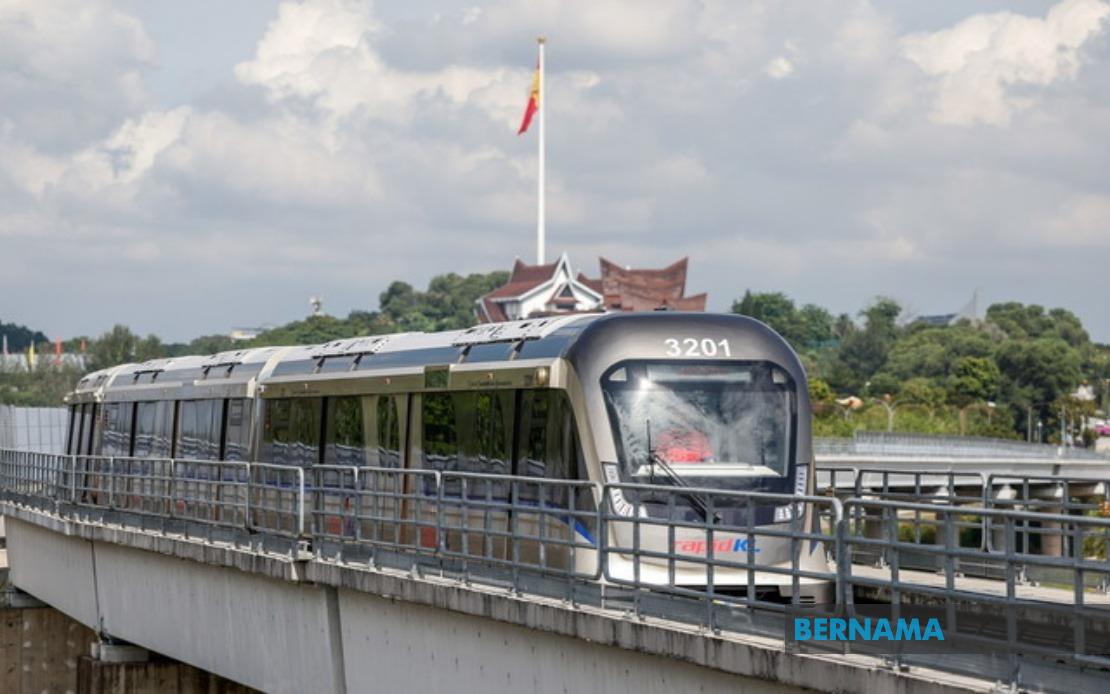
Prime Minister Datuk Seri Anwar Ibrahim will formally open the Light Rail Transit 3 Shah Alam Line tomorrow, marking a significant milestone in the Klang Valley's public transportation infrastructure. The 37.8-kilometre corridor, which stretches from Bandar Utama to Johan Setia, has completed construction and awaits passenger operations following the ceremonial launch scheduled for Sunday, June 28. Officials have confirmed that the Prime Minister will announce the commercial opening date and operating schedule during the event, signalling the imminent commencement of regular service for commuters across the region.
The new line is poised to transform mobility patterns for approximately two million people residing along its corridor. According to Shah Alam line chief Mohd Ariffin Idris, the infrastructure has been engineered to accommodate the region's growing transportation demands while integrating seamlessly with existing rapid transit networks. The 20-station configuration reflects careful planning to serve diverse urban and suburban communities, from densely populated commercial hubs to emerging residential townships. Each station has been designed with specific local contexts in mind, addressing the unique travel patterns and demographic characteristics of surrounding areas.
The Shah Alam Line features comprehensive network connectivity, enabling commuters to transition smoothly between multiple transit systems. Passengers boarding at Bandar Utama station gain direct access to the Kajang Line, facilitating journeys towards the southern corridor. At Glenmarie 2, connections to the Kelana Jaya Line provide pathways towards the western reaches of the Klang Valley and beyond. These interchange points are strategically positioned to minimise transfer times and inconvenience, creating an integrated ecosystem that encourages public transportation adoption over private vehicle use.
The station roster encompasses Bandar Utama, Kayu Ara, BU 11, Damansara Idaman, Subang, Glenmarie 2, Kerjaya, Stadium Shah Alam, Dato' Menteri, and UiTM Shah Alam in the northern section, while the southern segment includes Seksyen 7 Shah Alam, Bandar Baru Klang, Pasar Klang, Jalan Meru, Jambatan Kota, Taman Selatan, Seri Andalas, Klang Jaya, Bandar Bukit Tinggi, and Johan Setia. This distribution ensures coverage of both established neighbourhoods and growth centres, positioning the line as a catalyst for economic development and residential expansion in the Shah Alam region.
Comprehensive feeder services form a crucial component of the integrated transport strategy. Prasarana Malaysia Berhad operates 40 feeder buses traversing 13 designated routes with 323 bus stops throughout the catchment area. The uniform fare of RM1 per journey, available between 6 am and 11.30 pm, makes first-and-last-mile connectivity financially accessible to all commuter segments. Complementing this network, 44 rapid on-demand vans serve 20 designated zones at RM2 per trip during identical operating hours, providing flexible alternatives for passengers with specific route requirements or timing constraints.
Parking infrastructure at six strategic stations addresses the park-and-ride concept, reducing congestion on suburban roads while encouraging commuter adoption of the rail system. Facilities at Kayu Ara, Damansara Idaman, Pasar Besar Klang, Sri Andalas, Bandar Bukit Tinggi, and Johan Setia collectively provide 2,300 parking bays. This capacity reflects understanding that many commuters, particularly those originating from outer residential areas, require vehicle storage options to make rail transit feasible within their daily routines. The distribution of parking across multiple stations prevents excessive congestion at terminal points and encourages dispersed boarding patterns.
Operational projections reveal cautious optimism regarding patronage growth. Prasarana targets 67,000 daily passengers during the inaugural year, with expectations rising to approximately 117,708 daily journeys within five years. These figures suggest the line will capture meaningful market share within the Klang Valley's transportation ecosystem, though achieving upper-range targets depends on effective marketing, service reliability, and sustained improvements to feeder networks. For Malaysian readers monitoring transport sector development, these numbers indicate confidence in the route's economic viability and genuine community demand.
Sustainability considerations permeate the line's design philosophy, reflecting contemporary environmental standards and long-term operational efficiency goals. Light rail vehicles feature inverter-based air conditioning systems that optimise energy consumption without compromising passenger comfort during hot, humid Malaysian weather conditions. Station architecture incorporates passive cooling strategies, with designs maximising natural airflow and daylight penetration to reduce dependence on mechanical systems. These environmental features, while seemingly technical, translate to lower operational costs over decades, ultimately benefiting commuters through more stable fares and improved financial sustainability for Prasarana.
Accessibility provisions demonstrate commitment to inclusive public transportation. All 20 stations incorporate wheelchair ramps, ensuring mobility-impaired passengers can navigate the system independently. Dedicated disability-compliant toilet facilities at each station address the full spectrum of accessibility requirements. Within train carriages, reserved seating specifically designated for persons with disabilities recognises that equitable transport access encompasses both infrastructure and behavioural norms. These inclusive design elements position the Shah Alam Line as a model for future Malaysian rapid transit projects, establishing expectations that public transportation must serve all demographic groups comprehensively.
Five additional stations—Tropicana, Raja Muda, Temasya, Bukit Raja, and Bandar Botanik—require reconstruction and will be incorporated into the operational network during subsequent phases. This staged approach allows the initial 20-station configuration to launch without delay while construction teams complete work on remaining facilities. Commencing reconstruction work by year-end ensures these communities will achieve connectivity within a defined timeframe, preventing indefinite exclusion from the integrated network. For residents of these areas, the scheduled timeline provides clarity regarding transportation access improvements.
The LRT3 Shah Alam Line represents a substantial investment in Selangor's transportation infrastructure and regional competitiveness. Completed construction demonstrates successful project management within Malaysian rapid transit development, a domain where cost overruns and delays have historically plagued major initiatives. For readers monitoring infrastructure development, the on-time completion suggests improving project management capabilities and institutional learning within Prasarana. The line's capacity to serve two million people underscores the scale of modern Malaysian urban development and the corresponding necessity for sophisticated, multi-modal transportation solutions that accommodate growing populations efficiently and sustainably.

