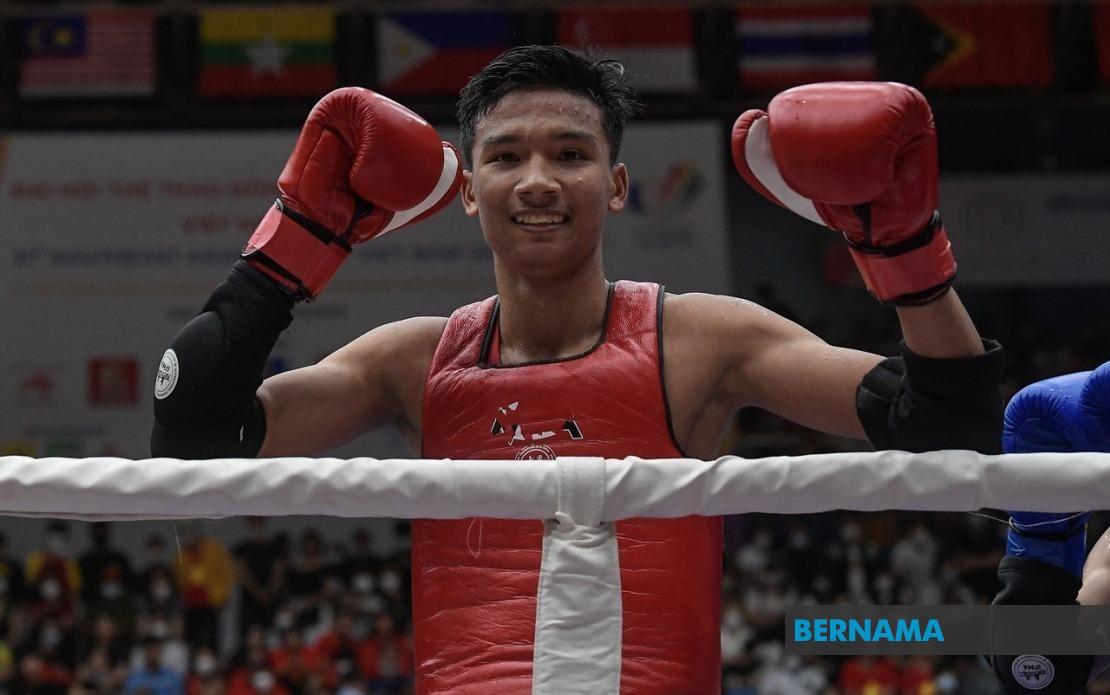
Prime Minister Datuk Seri Anwar Ibrahim has thrown the weight of official support behind national Muay Thai competitor Ahmad Nor Iman Aliff Rakib as the fighter prepares for a historic world title opportunity this Friday. In a public statement via Facebook, Anwar called upon all Malaysians to unite in backing the athlete's championship aspirations, framing the bout as a significant moment for Malaysian combat sports on the international stage.
The significance of this moment extends beyond sport. Ahmad Nor Iman Aliff stands poised to become the first Malaysian combat athlete to secure a world title shot at the ONE Championship, one of Asia's most prestigious mixed martial arts and striking sports organisations. This distinction underscores how rarely Malaysian fighters have penetrated the upper echelons of international combat sports competition, despite the nation's strong martial arts heritage and tradition. The breakthrough represents a culmination of years of dedicated training and competition at progressively higher levels of the sport.
Ahmad Nor Iman Aliff will travel to Bangkok to face his formidable opponent, Sam-A Gaiyanghadao, at the legendary Lumpinee Stadium on Friday. The Thai competitor represents a daunting challenge, bringing with him the experience and technical mastery associated with Thailand's dominant position in Muay Thai. Lumpinee Stadium itself carries immense cultural and historical weight within the sport, serving as one of the two most prestigious venues for Muay Thai competition globally and a place where champions are forged. Competing at such a venue against an established Thai warrior amplifies both the challenge and the opportunity for Ahmad Nor Iman Aliff to make a statement.
In his statement, Anwar emphasised the broader implications of the challenge. The Prime Minister noted that Ahmad Nor Iman Aliff has the chance to advance Malaysian representation in elite-level international sporting competition, an arena where national visibility and soft power accumulate. By pushing for victory at the world championship level, the fighter would contribute to Malaysia's standing as a nation producing world-class athletes across diverse sporting disciplines.
The Prime Minister's intervention also speaks to a larger political consideration about national pride and unity. By publicly endorsing Ahmad Nor Iman Aliff's bid, Anwar positioned the fighter's success as a matter of collective national interest rather than an individual athletic pursuit. This framing encourages broader social investment in the outcome and transforms a single match into a representation of Malaysian capability and determination on the global stage.
For younger athletes in Malaysia interested in pursuing combat sports professionally, Ahmad Nor Iman Aliff's progression to a world championship opportunity serves as tangible evidence that international success remains attainable. Anwar's explicit reference to inspiring the younger generation reflected an understanding that sporting achievements at the elite level often catalyse increased participation and investment in grassroots development. When a fighter from one's own nation reaches the summit of international competition, it opens psychological and practical pathways for aspiring athletes who might otherwise view such heights as unreachable.
The ONE Interim Strawweight Muay Thai World Championship carries particular significance within the ONE Championship framework. Interim titles often serve as stepping stones to undisputed championship recognition or emerge when the reigning champion is unavailable to defend. Regardless of the interim designation, victory in this bout would represent undisputed world-class status and provide Ahmad Nor Iman Aliff with international credibility and profile that extends well beyond the combat sports community.
Thailand's dominance in Muay Thai remains virtually unchallenged globally, making any Malaysian success against a Thai opponent particularly noteworthy. The sport originated in Thailand and remains deeply embedded in Thai culture and national identity. For a Malaysian to claim victory against a legend like Sam-A Gaiyanghadao would constitute a reversal of the expected hierarchy and would ripple through both nations' sporting communities.
Politically, Anwar's endorsement also reflects evolving attitudes toward combat sports within Malaysian establishment circles. Historically, such sports occasionally faced social stigma or governmental indifference. The fact that the Prime Minister publicly mobilised national support demonstrates institutional recognition of combat sports as legitimate vehicles for national achievement and international representation. This shift in perception could have practical implications for funding, facility development, and talent identification programmes within Malaysia's combat sports infrastructure.
Looking ahead, Ahmad Nor Iman Aliff's performance on Friday will carry significance extending well beyond the sporting outcome. A victory would establish him as a genuine world-class competitor and create momentum for further Malaysian incursions into elite international combat sports. Conversely, a loss would not diminish the historical importance of his qualification for the world championship opportunity itself, representing a milestone that previous generations of Malaysian fighters failed to achieve.
The bout exemplifies how individual athletic endeavours acquire national dimensions within contemporary sports culture, particularly when competitors from smaller nations challenge established powers. As Ahmad Nor Iman Aliff prepares for his Bangkok assignment, he carries not merely personal ambitions but also the collective hopes of a nation seeking to expand its footprint in international sporting competition.

