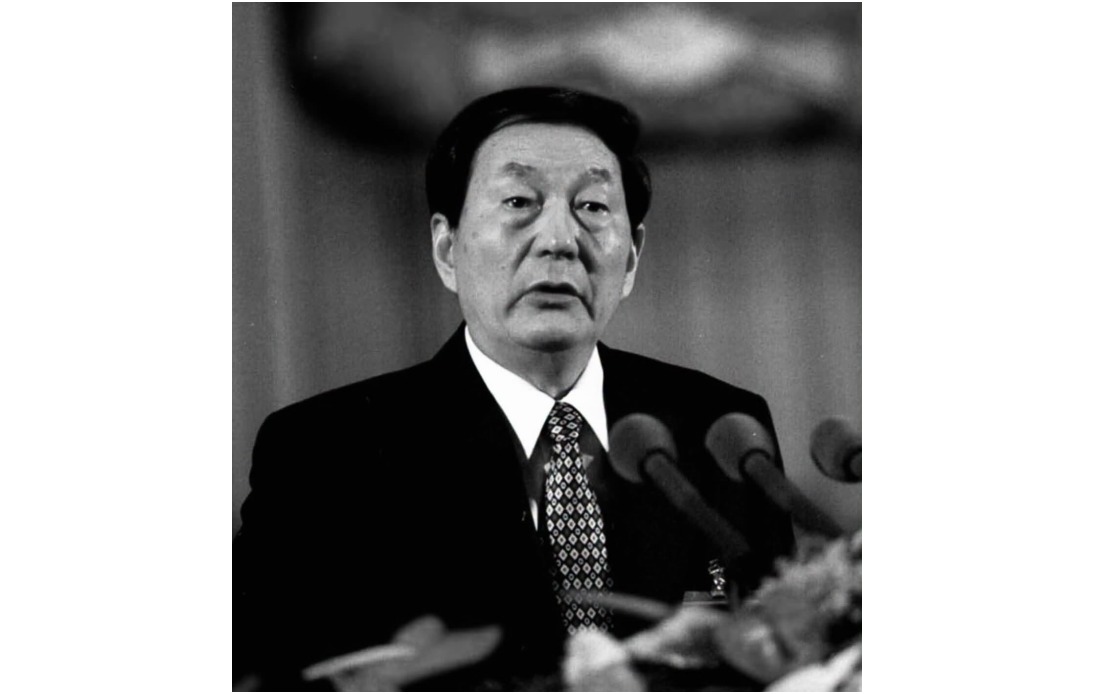
Prime Minister Datuk Seri Anwar Ibrahim has mourned the passing of Zhu Rongji, the former Premier of the People's Republic of China who died at the age of 97, describing him as one of the defining figures in contemporary Asian economic history and a cherished personal associate.
In a statement posted to social media, Anwar emphasised Zhu's towering legacy as an economic reformer whose vision fundamentally reshaped China's trajectory during a critical period of its development. The Prime Minister highlighted how Zhu's market-oriented policies and institutional reforms during the 1990s and early 2000s proved instrumental in positioning the nation as a global economic powerhouse, a transformation that continues to reverberate across Asian geopolitics and trade dynamics today.
Beyond Zhu's monumental public achievements, Anwar reflected on a personal relationship spanning several decades. During the 1990s, when Malaysia was itself navigating significant economic and financial transitions, the two leaders collaborated directly to strengthen bilateral economic and financial cooperation between Kuala Lumpur and Beijing. These foundational initiatives, forged when both nations were charting ambitious development paths, established frameworks and institutional partnerships that remain central to Malaysia-China relations in the present day, demonstrating the enduring value of strategic bilateral engagement during formative periods.
The Prime Minister also shared intimate memories of his interactions with Zhu, including cultural expeditions to locations steeped in Chinese historical and philosophical significance. These included visits to Qufu, the birthplace of Confucius, and excursions to Tai Shan, one of China's most revered sacred mountains, as well as journeys tracing the remarkable voyages of Admiral Zheng He, the celebrated Ming Dynasty navigator whose expeditions reshaped early Asian maritime commerce. Such engagements underscored how bilateral relations between Malaysia and China have always encompassed deeper cultural and intellectual dimensions extending well beyond transactional economic exchanges.
One particularly poignant detail Anwar recalled involved a visit to Zhu's personal library, where the former Premier presented the Malaysian leader with carefully curated selections from China's literary and philosophical canon. This gesture illuminated Zhu's character as an intellectual statesman—not merely a technocrat executing reform blueprints, but a scholar-leader deeply invested in cross-civilisational dialogue and the transmission of cultural knowledge across borders. Such personal touches often reveal the human dimensions of diplomatic relationships that official records seldom capture.
Zhu's tenure as Premier, spanning 1998 to 2003, represented a transformative period for China's integration into the global economic system. His signature achievements included orchestrating sweeping market-oriented reforms that gradually liberalised sectors previously dominated by state control, restructuring vast networks of state-owned enterprises to enhance efficiency and competitiveness, and shepherding China's landmark accession to the World Trade Organisation. The latter milestone particularly symbolised China's commitment to rules-based international commerce and marked a pivotal moment in reshaping global trade patterns that would benefit interconnected Asian economies including Malaysia.
For Malaysia and the broader Southeast Asian region, Zhu's economic vision held considerable significance. As China opened its markets and embraced deeper integration with global supply chains, opportunities emerged for Malaysian businesses, investors, and workers. The bilateral economic frameworks established during Zhu's tenure created pathways for Malaysian participation in China's growth trajectory, complementing the nation's own diversification efforts. These structures would later facilitate Malaysia's role as an important trading and investment partner as China's economy expanded exponentially.
Anwar characterised Zhu not merely as a policy innovator or technocratic administrator, but as a statesman of uncommon principle and unwavering national commitment. The Prime Minister emphasised that beyond Zhu's institutional reforms and economic achievements, his personal qualities—his integrity, his devotion to national interests, and his capacity for strategic vision—defined his ultimate contribution to China's development. This framing suggests that Malaysia views the relationship through a lens valuing not just transactional arrangements, but the character and conviction of leaders who build them.
The passing of Zhu Rongji represents a symbolic moment for Malaysia's diplomatic establishment, marking the departure of a generation of Asian leaders who navigated their nations through the transformative post-Cold War period. For Malaysian policymakers, Zhu's legacy underscores the importance of visionary leadership willing to undertake difficult structural reforms to achieve long-term national objectives. His economic transformation of China provided a regional blueprint for development, one that Malaysia itself has studied and adapted to its own context of achieving high-income nation status.
Anwar concluded his tribute by extending formal condolences to Zhu's surviving family members, including his wife and children, and to the Chinese people who mourned the loss of a central figure in their nation's modern history. The gesture reflected Malaysia's commitment to maintaining the close bonds established during Zhu's lifetime and the understanding that continuity of bilateral relations transcends individual leaders, rooted instead in shared interests and mutual respect developed over decades of engagement.
The death of Zhu Rongji closes a significant chapter in Malaysia-China relations, removing a prominent personality who had directly shaped economic cooperation between the nations during formative years. For Malaysian observers, Zhu's life and achievements offer lessons in the transformative potential of bold economic reform, the importance of engaging regional counterparts at the highest intellectual and personal levels, and the enduring value of partnerships grounded in genuine mutual respect and shared vision for regional development.

